


































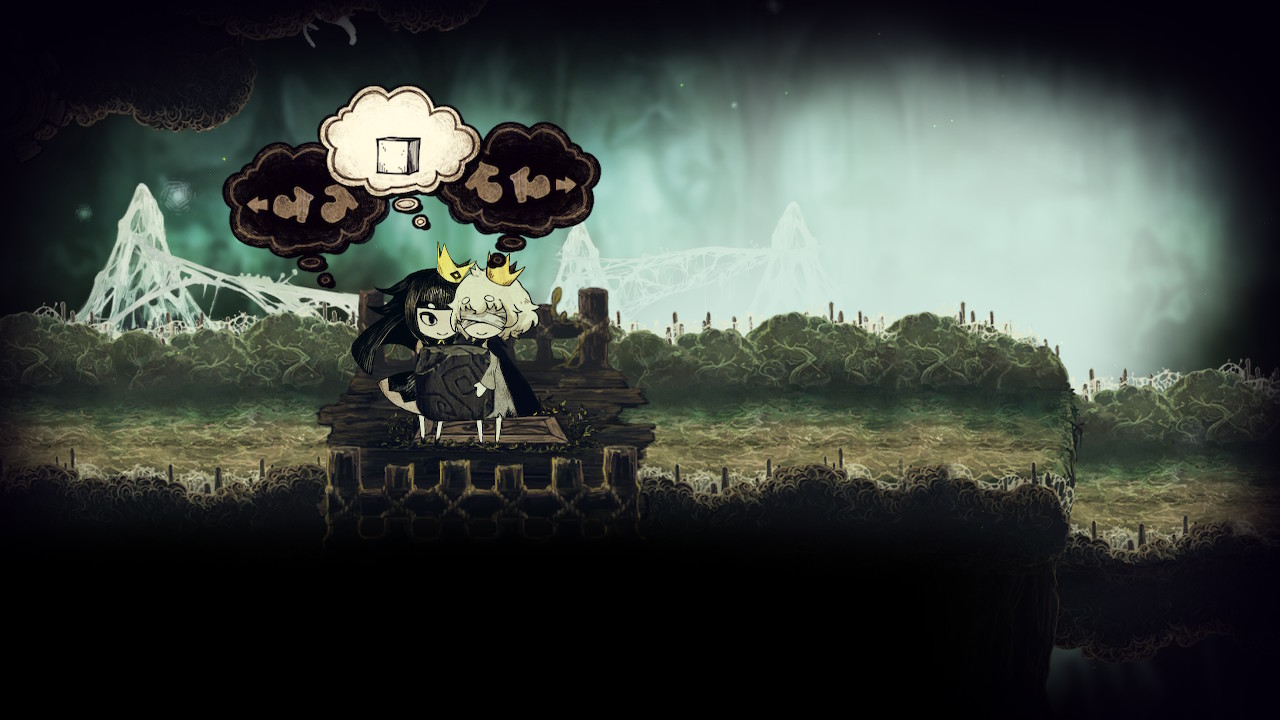
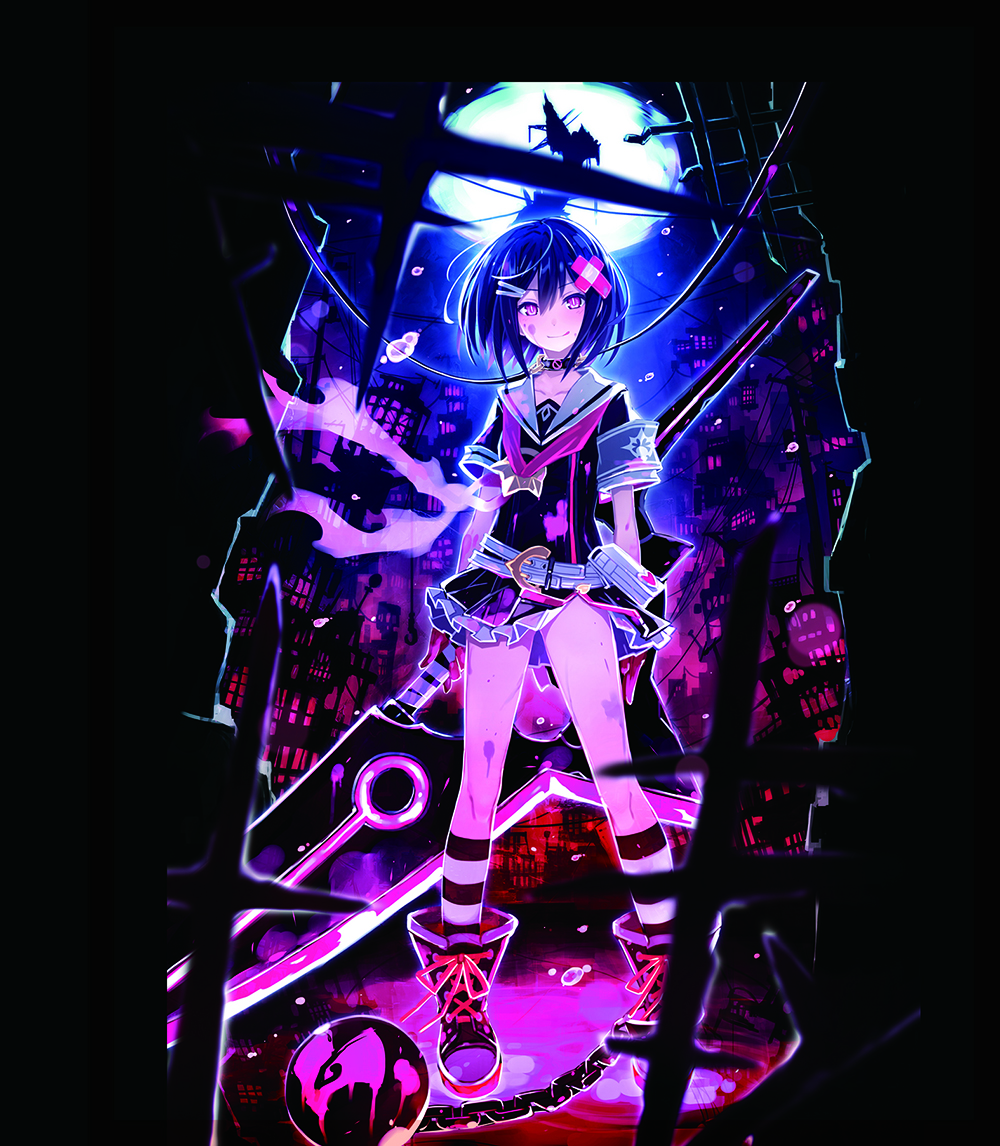
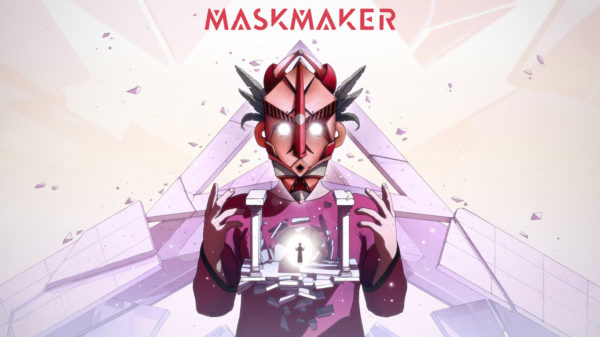


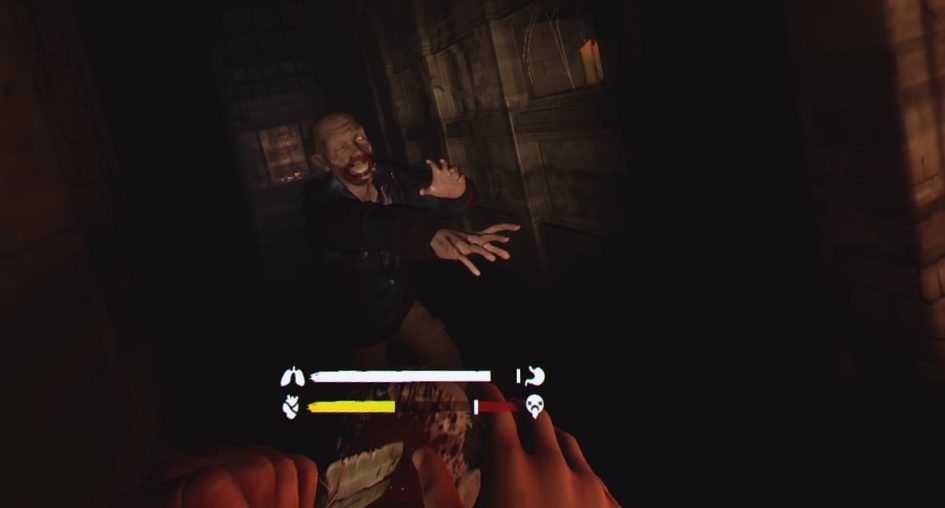

















When Masashi Kimura founded room6, he wasn’t setting out to become one of Japan’s most distinctive voices in indie game publishing. A programmer by trade, Kimura began making his own games and exhibiting them at events across Japan in the mid-2010s. Those grassroots experiences didn’t just shape his approach to game development; they planted the seeds for what would become room6’s dual identity as both developer and publisher.
Today, under its main label and the more contemplative Yokaze imprint, room6 is known for curating atmospheric, story-rich games that feel as if they’ve been handpicked for late-night play sessions. But according to Kimura, the path to that identity was never driven by market analytics or sales projections.
“The starting point is always whether I or someone on the team can say, ‘I love this game!’” Kimura says. “We don’t choose titles just because they seem likely to sell.”

A Seamless Continuation of Gaming History
Kimura’s gaming roots trace back to the earliest days of Japanese PC and arcade titles, with formative experiences playing Namco, Konami, and Nihon Falcom classics like The Tower of Druaga, Gradius, Ys, and Sorcerian. Those influences gave him a deep appreciation for systems and aesthetics that many would now call “retro,” though he doesn’t see them that way.
“I don’t see them as retro, but as a seamless continuation,” he explains. “That allows me to approach both development and gameplay with a sense of continuity.”
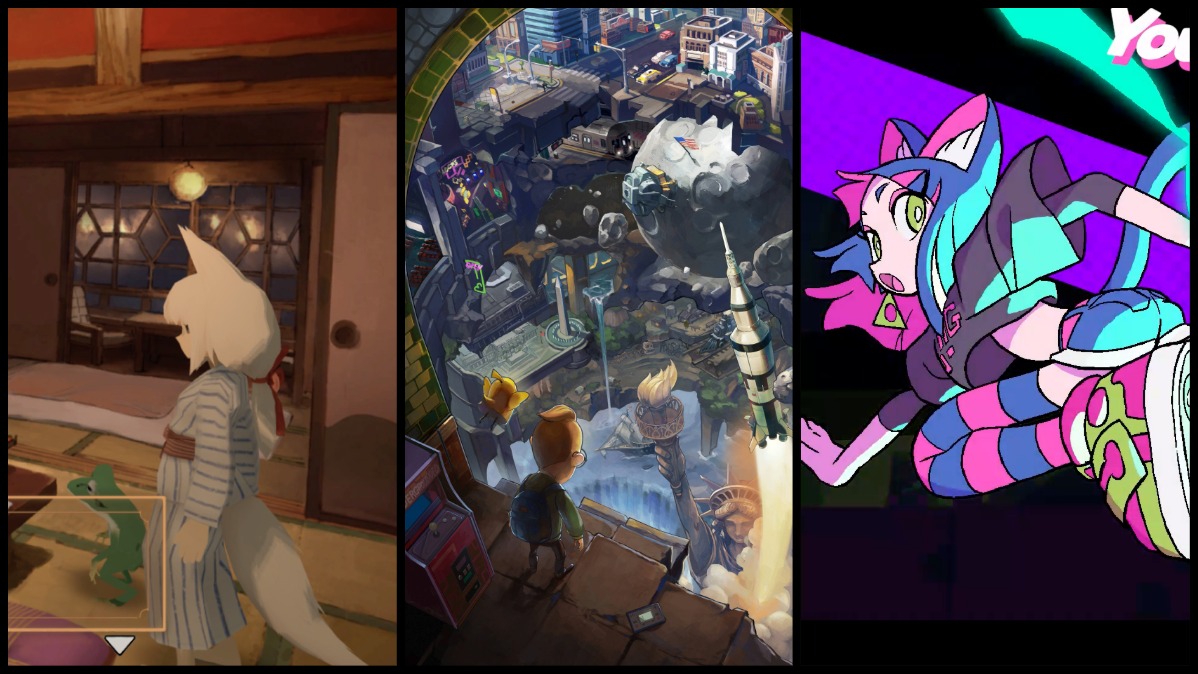
This sensibility resonates strongly in the room6 catalog, where pixel art, unique worldviews, and artistic direction often take center stage. While the publisher hasn’t traditionally targeted a specific demographic, Kimura notes that their audience tends to embrace offbeat, niche atmospheres — or, as he puts it, “sub-cul,” Japan’s shorthand for subcultural style.

Curating Late-Night Worlds
The Yokaze label in particular caters to a quieter, more solitary gaming experience. Kimura describes its mission as delivering games perfect for playing alone, late at night, while immersing yourself in a carefully crafted world. “We want to reach players who resonate with that kind of experience,” he says.
This curation philosophy also extends to the relationship between publisher and creator. Chemistry with the developer is as important as the project itself. “We value the creator’s personality and approach,” Kimura says. “It’s not just about the game, but the people making it.”

Challenges in a Growing Market
While Japan’s indie scene has grown dramatically over the last decade, boosted by accessible tools like Unity and Unreal Engine, Kimura notes that many developers still face steep hurdles. Most Japanese indie creators work part-time on their games, often due to companies prohibiting side jobs or a cultural aversion to risk. Funding programs are on the rise, but the market remains small, with stark disparities between breakout hits and overlooked gems.
Adding to the challenge, major publishers from other industries, including Shueisha, Kodansha, Toei, and Aniplex, have entered the indie space, raising both awareness and competition. For room6, maintaining its presence means doubling down on what makes them unique: close collaboration with creators, a focus on worldbuilding, and a commitment to niche artistry.

The Value of Showing Up
For Kimura, events like Kyoto’s BitSummit remain essential. He dismisses “return on investment” as a guiding metric, focusing instead on the connections and insights that come from meeting players and developers face-to-face.
“Watching players interact with the game in ways we didn’t anticipate is an irreplaceable experience,” he says.
It’s a sentiment that underlines room6’s origin story, a company born and nurtured at indie game events, now using those same spaces to foster the next wave of Japanese indie talent.

A Treasure Trove for the Right Player
Kimura admits that room6 and Yokaze games won’t be for everyone. But for players who appreciate immersive worlds, deliberate pacing, and strong narratives, they can be a treasure trove.
“Because of that, those who like them tend to really love them,” Kimura says. “We aim to be a publisher and developer full of these hidden gems.”
In an industry where data often dictates decisions, room6 stands as a reminder that passion for games, for creators, and for the worlds they build can be a powerful business strategy in its own right.