






























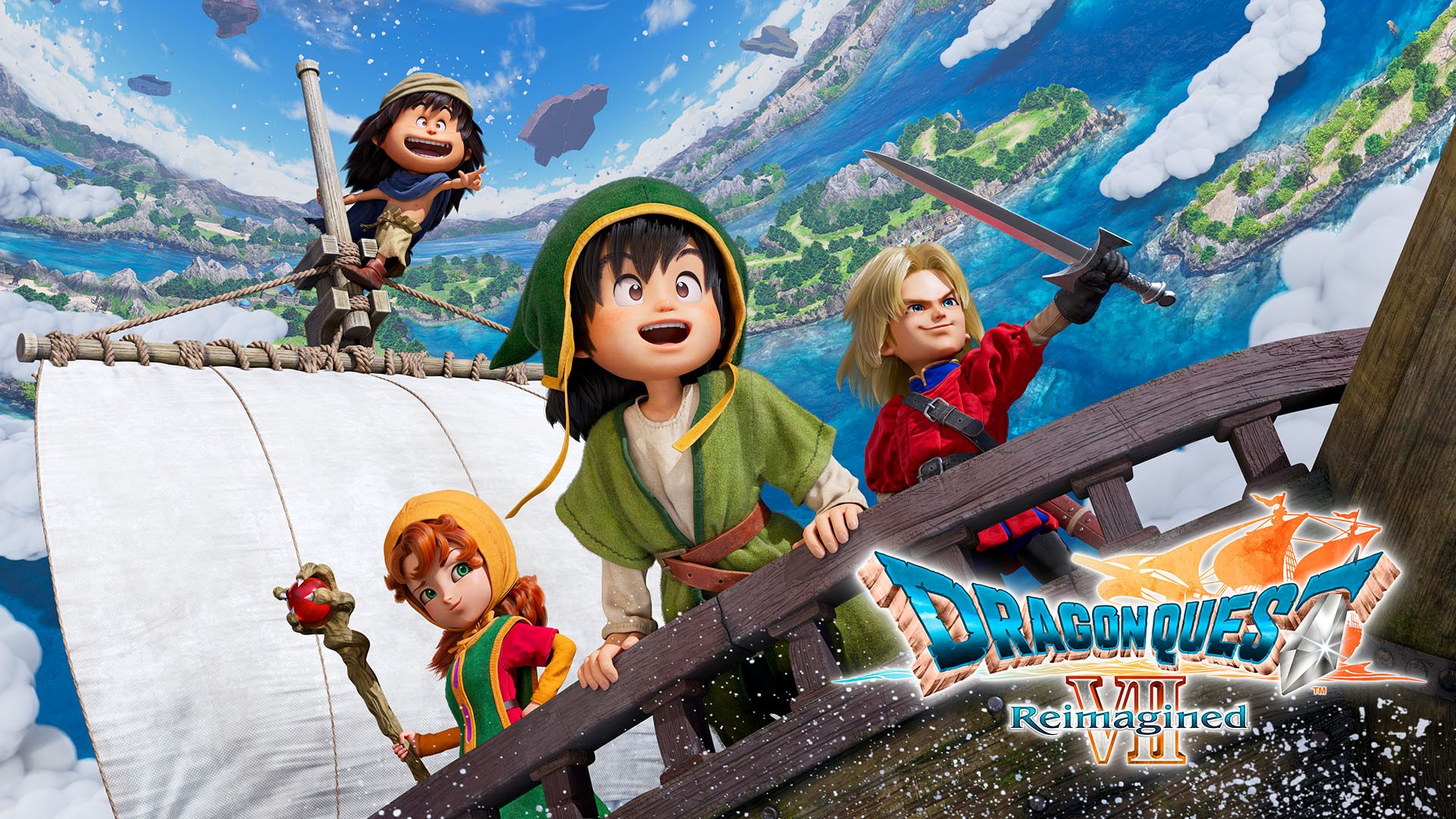

Dragon Quest VII is a game about discovery and learning from the past. It makes sense that the first real 3D remake of a Dragon Quest game is Dragon Quest VII. But what did Square-Enix learn, and was it enough to sell a remake of a game that already has one?
Dragon Quest VII Reimagined
Developer: Square Enix, HexaDrive
Price: $60
Platforms: Nintendo Switch 1/2, PlayStation 5 (reviewed), Xbox Series X/S, and PC
MonsterVine was supplied with a PlayStation 5 code for review.
I’ve certainly played games that took their time, went on too long. In fact, most AAA games tend to overstay their welcome a bit. Few games are as drastically long as the original Dragon Quest VII. Howlongtobeat.com lists the PlayStation version of Dragon Quest VII at just over 100 hours, focusing on the main story, with a completionist run at over 250 hours. In 2013, Japan got a 3D remake of Dragon Quest VII called Dragon Quest VII: Fragments of the Forgotten Past, which eventually made its way westward, but still, clocked in at a meaty 75 hours for just the main story.
Truly, if we were looking at games from popular series that needed a rework, Final Fantasy isn’t the only VII that warranted it. There are questions of completeness, narrative cohesion, and what’s lost by playing this version of the game.
For me, not much.
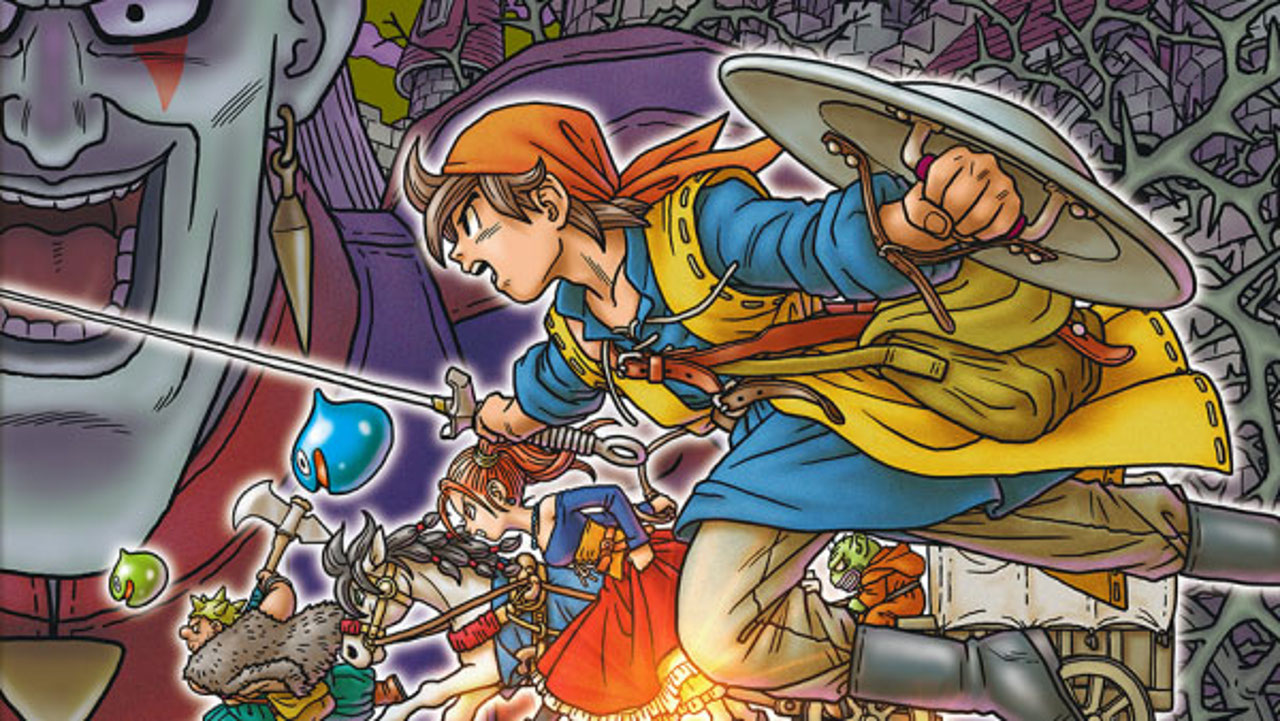
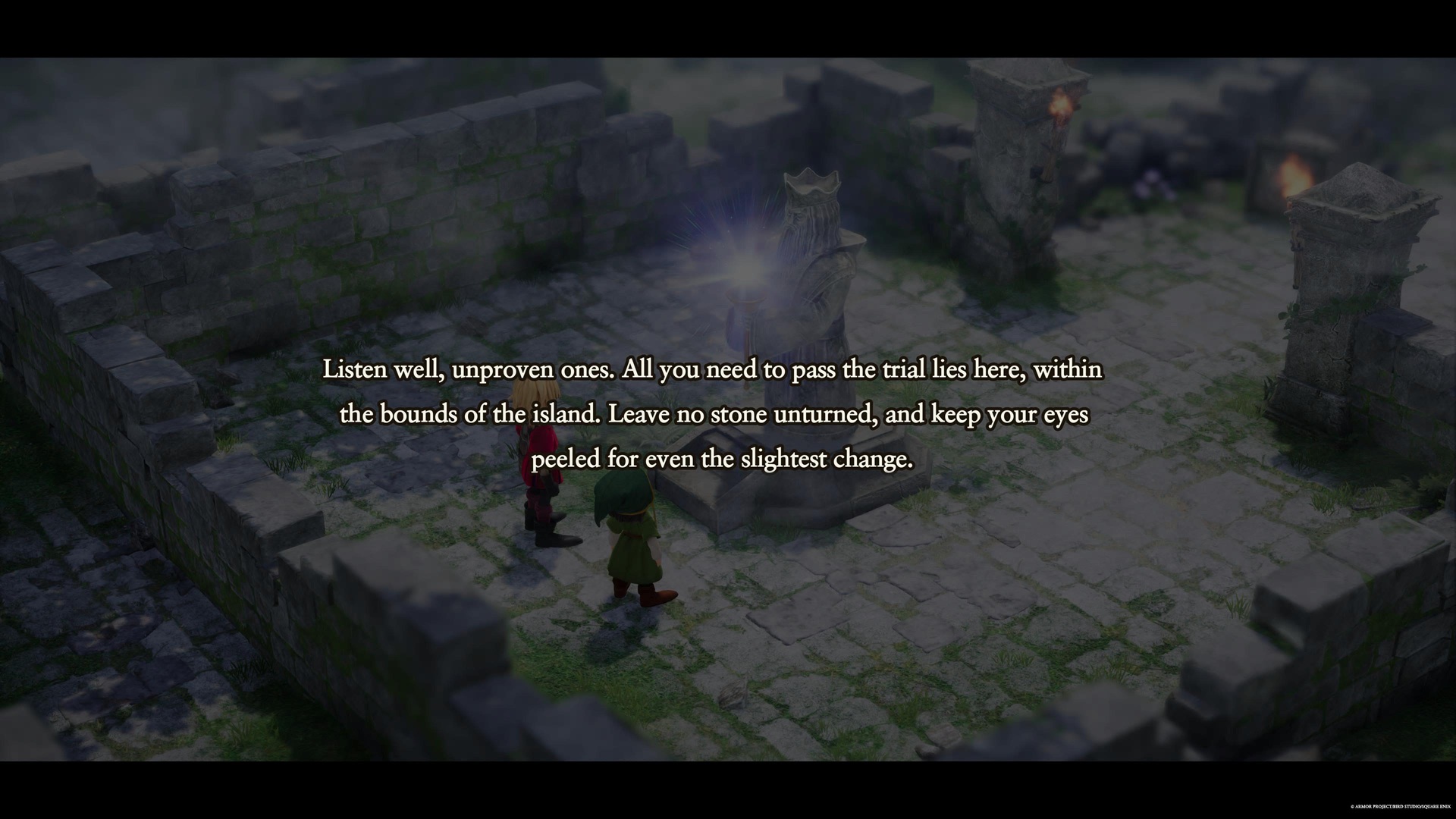
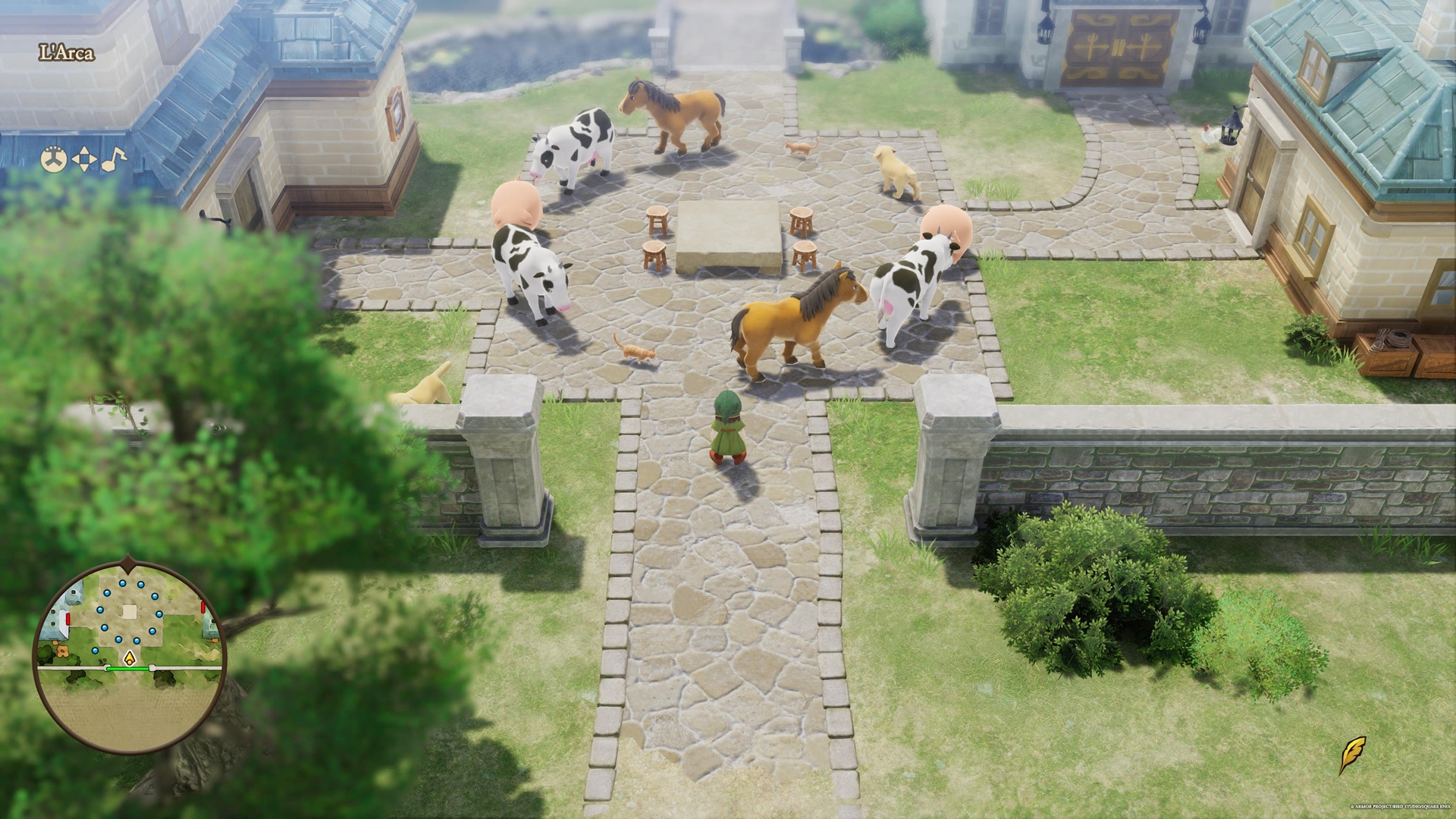
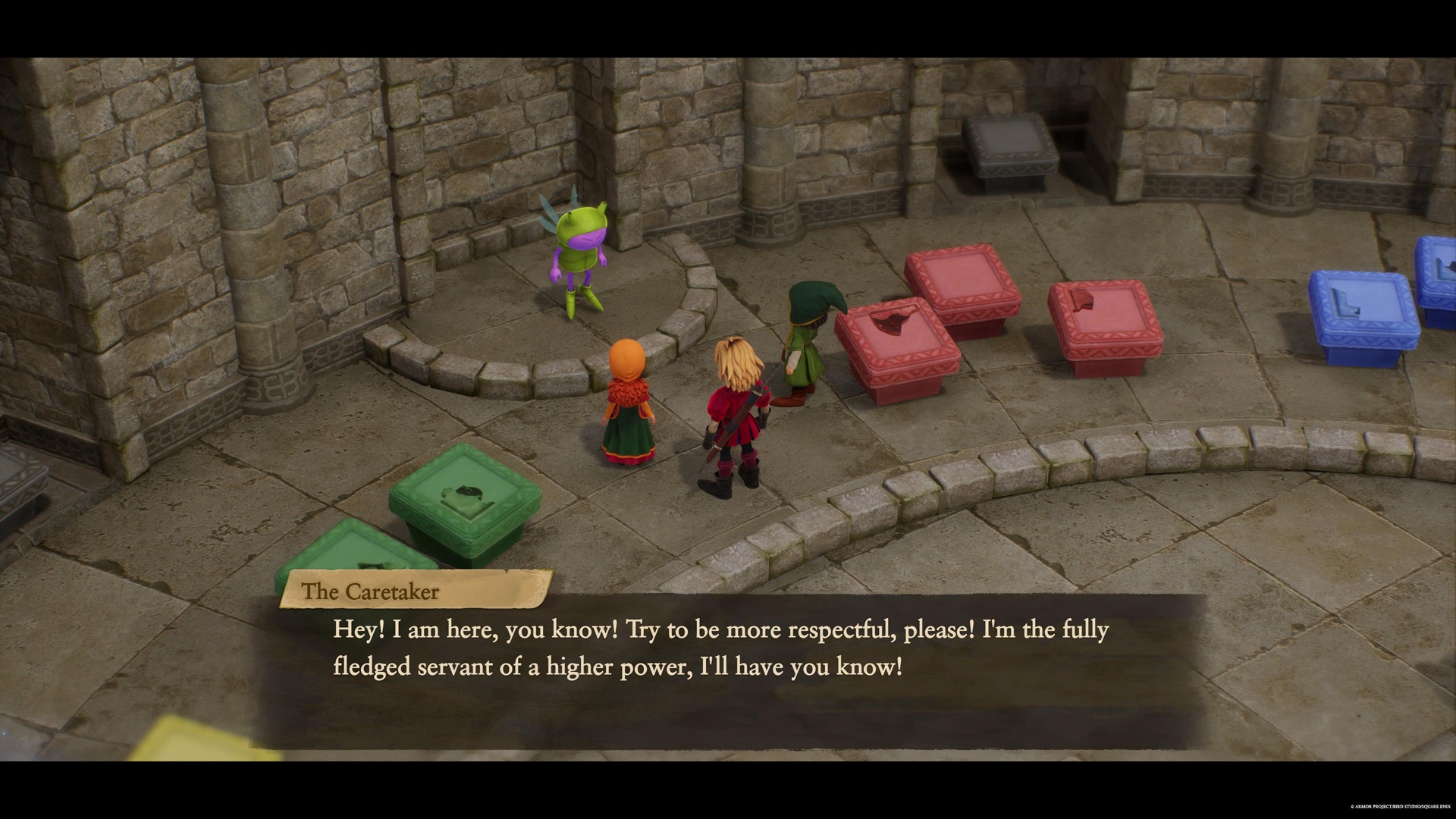
Dragon Quest VII tells the story of a young man, his princely partner, and the mayor’s daughter exploring the world they live in. Stumbling upon the Shrine of Mysteries, they find various colored pedestals that, when tablets are puzzle-pieced together, will teleport them to various islands in the past.
Three regions of the game were removed, and while they will be missed, I think some of the modernizations to the Dragon Quest system make those areas obsolete. Narratively, though, I’m not sure I’ll forgive them for omitting Providence. While there are some pitfalls in removing content, it still maintains its narrative integrity.
From a gameplay perspective, cutting Haven is noticeable. While many of the Dragon Quest games feature a city that the player can upgrade over time, including the recent Dragon Quest 3 HD-2D Remake, Reimagined leaves Haven out. Instead of replacing it or omitting it altogether, a lonely island just south of Estard remains to remind you what could have been.
Dragon Quest VII Reimagined could have been a drastic downgrade, but instead, it managed to trim a few things and significantly reduce the time required to beat. I did just about everything one could do in Dragon Quest VII Reimagined, and my final time was just over 63 hours. And I loved every second of it.
My biggest gripe with the original AND the 3DS remake is the exposition and dialogue. I don’t feel like much of that has changed in Dragon Quest VII Reimagined. I expected a lot of the changes and time reduction to be front-loaded, and a compression of dialogue, and I’m not sure that’s true.
It really feels like they managed to save a lot of time by removing small things in little places, skipping unnecessary steps, and still keeping the style and substance uniquely Dragon Quest.
As a lil’ fun test, I went and played through the PSX version and the 3DS version up to the first island, and they’re both about an hour long, same as Reimagined. Maybe the most interesting part is that the criticism levied against Dragon Quest VII often focuses on how long it takes to get to the first fight.
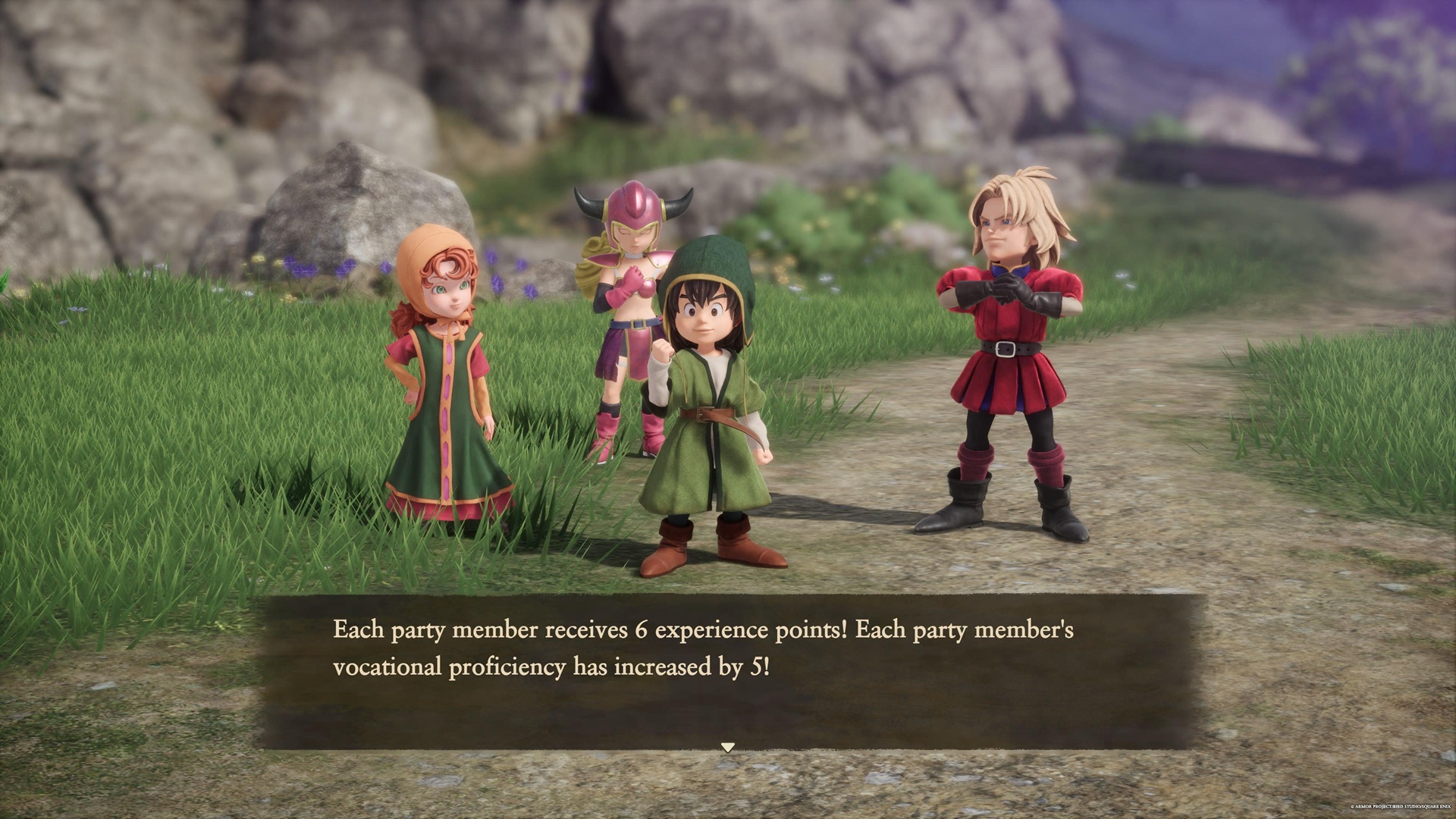
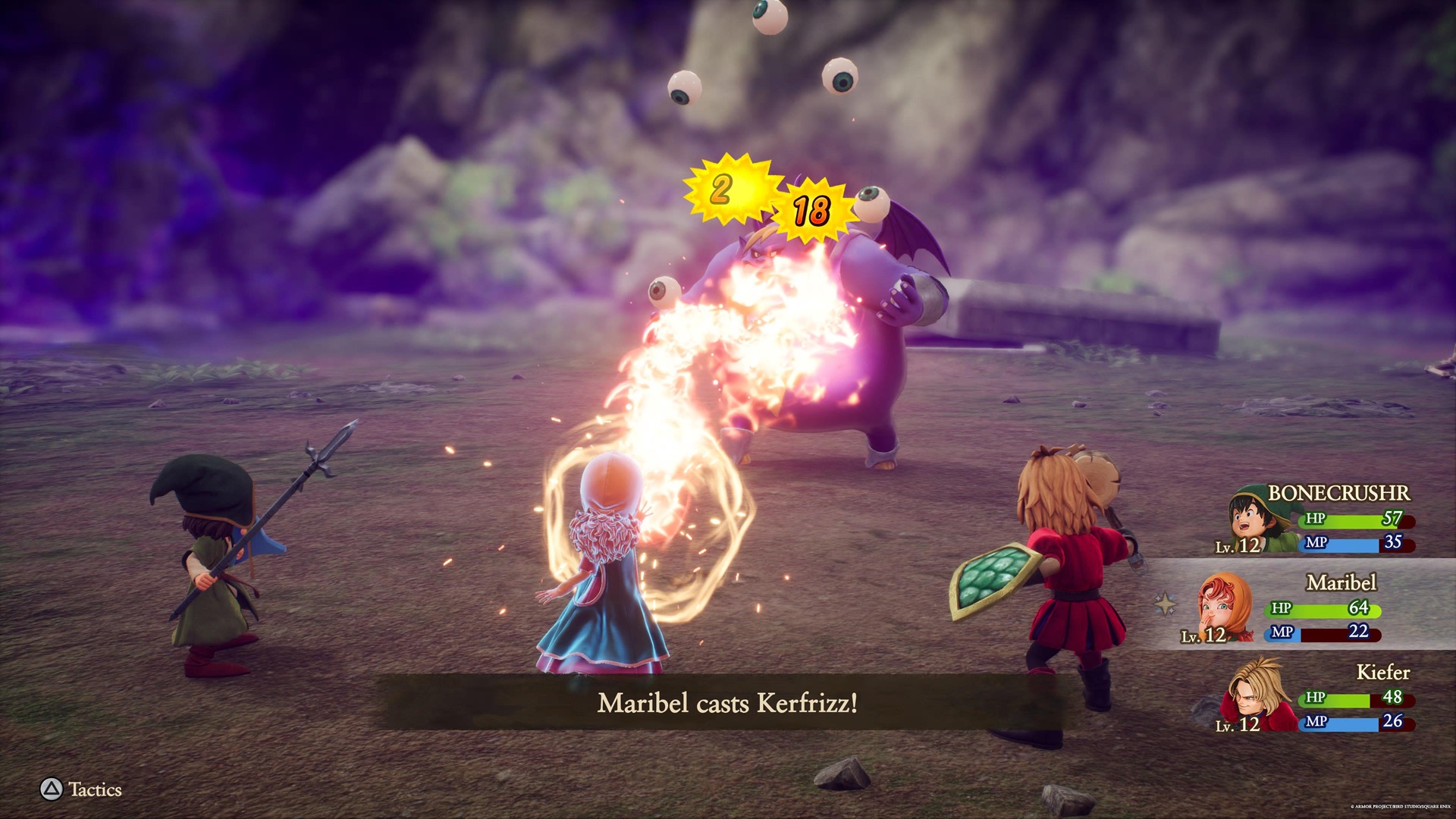
Part of the time reduction is just in how the game’s quality-of-life features shake out. Battles are much quicker, bucking the standard Dragon Quest battle system with one that’s more modern. Instead of choosing moves for your team before the turn, each character takes their turn individually.
Instead of every character having a limited inventory, there’s one big inventory you all share, and it’s limitless (x99 is the max per item, still, but they don’t take up 99 inventory slots.) The main character picks up barrels and urns, then, instead of holding onto them and waiting for a button press, immediately destroys them for the rich items and gold inside.
The tablets I mentioned earlier are generally “hidden” around the game world, with quotes around the word because they’re sparkly and have a big exclamation-point bubble over them. Under the Info tab in the menu, there’s a ‘Tablet List’ section. If you’ve been to an area and missed the tablet, it’ll tell you where they are. There’s also a medal album for all 100 of those pesky mini-medals on where to find them.
Party chat is gone and has been replaced with a system that’s similar but not on the money. Occasionally, there will be colorful responses when hitting the party chat button. For the most part, it’s just a way to direct you to the next story beat. Aishe won’t be calling the wind spirit a slut in this version.
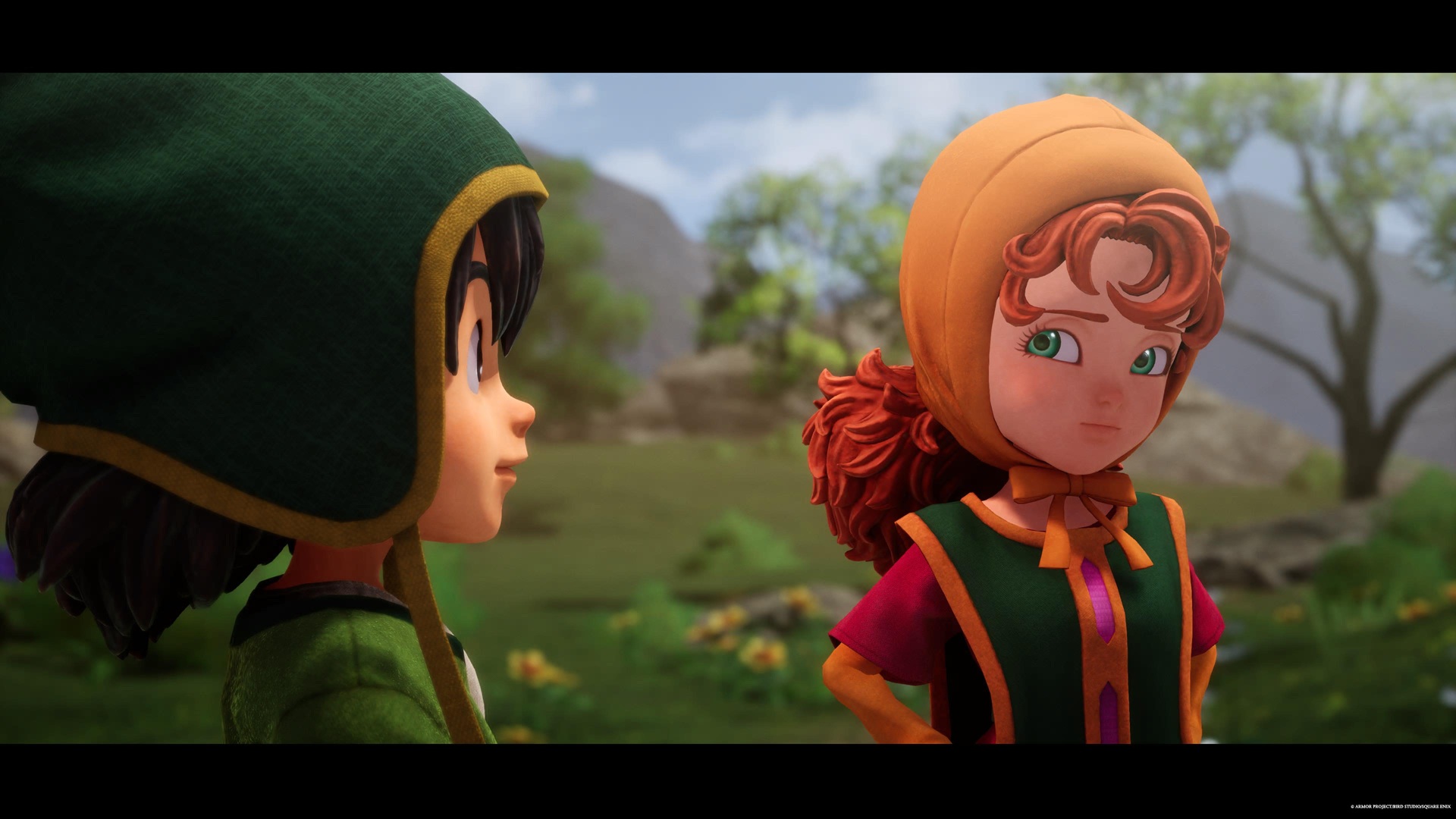
Dragon Quest VII Reimagined is absolutely gorgeous. Which is why I am supremely disappointed that Square-Enix removed the job-specific outfits. Protagonist, Maribel, Ruff, and the rest all look absolutely stunning. Protag is very emotive, and when she levels up, Maribel puts on a mini-mayoress stance that makes me grin as wide as I can.
Part of that comes from a profound love of this game, Dragon Quest VII being my favorite Dragon Quest game. The other part comes from adoring a consistent and unique art style. The protagonist isn’t some knight in shining armor; he’s a fisherman’s son and has a lil’ peasant hood. With the exception of Ruff, he’s outranked by everyone on his team in the real world. It’s only in the adventuring party that the protagonist is top dog.
Voices seemed wholly unnecessary, but are a fine addition. Maribel sounds sufficiently sassy and snobbish. Ruff sounds like a child. Voices only really come out during cut scenes, maybe this is a generational thing. I didn’t need to hear them.
Battles and vocations are the real heroes in Reimagined. I already went over some of the battle system, but allowing for a second vocation to be leveled up is a real game changer. No longer is your team rigidly stuck in archetypal roles; instead, it can grow and become its own thing.
The Monster Master class is fairly unique and deals some devastating damage, especially when pepped up. Monster Masters are allowed to call a class of monster into battle to assist and, when pepped up, can call in the best of their class to attack. With the absence of Monster Meadows, you won’t be recruiting monsters anymore. However, this does feel like a pretty solid middle ground.
There’s also a little fine-tuning you can do in the settings menu to alter the game to your liking. Along with increased battle speed, the difficulty options allow for some fine-tuning. Allowing players to change how much damage they deal, experience earned, proficiency earned, gold acquired, and how much strength the monsters have allows for a custom-tailored experience.
This was especially nice when running around post-game for screenshots and verifying things for the review.
Is Dragon Quest VII Reimagined the Best Way to Play the Classic?
My thoughts on remakes and remasters are plastered all over this website, but the bar I use to judge them is whether the remake seemed necessary. I’m not sure it was necessary. You could dump out the 3DS version onto the PC, scale it up or whatever, do a lil’ AI magic and save yourself a ton of cash.
They didn’t. Instead, the game looks great, is playable on modern platforms, and is a bit more streamlined than even the 3DS version. This is the version I would recommend to newcomers to RPGs or the Dragon Quest series. More importantly, though, as a fan of Dragon Quest VII already, I had a really good time revisiting this world.
 The Final Word
It’s not perfect, and in a perfect world, we’d still have things like Haven, Monster Meadows, and the Casino. But Dragon Quest VII Reimagined receives high marks for being incredibly accessible and stunning to boot. The new combat system, quality-of-life features, and accessibility go a long way. I had a blast playing Dragon Quest VII Reimagined.
MonsterVine Rating: 4.5 out of 5 – Great