

































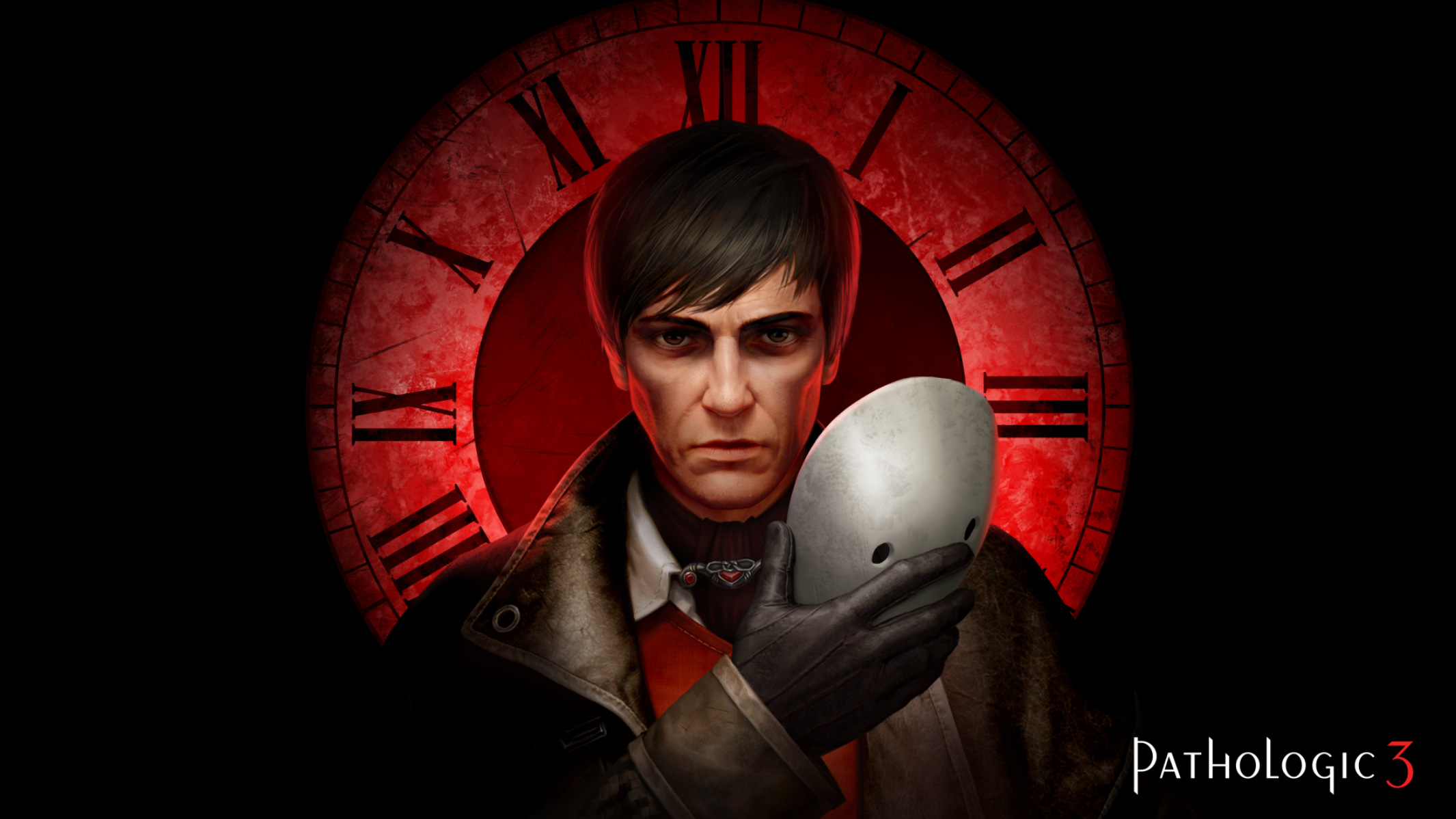

Pain. Disease. Death. All unpleasant, yet all realities of the human condition. While the sciences have come a long way, the claims of those who practiced them were once much more ambitious and unwieldy. It might seem silly to consider reaching immortality through science, but in eras such as the one Dr. Daniil Dankovsky lived in, it wasn’t just snake oil salesmen who invested in the impossible. Hindsight shows how human lifespans have increased remarkably in recent centuries, and that medical breakthroughs can happen at any moment. However, Dr. Dankovsky doesn’t have centuries or even decades: he has 12 days to stop the Sand Pest plague.

Pathologic 3
Developer: Ice-Pick Lodge Studio
Price: $34.99
Platform: PC (reviewed), Xbox Series X|S, PlayStation 5
MonsterVine was supplied with a Steam code for review
The Bachelor, real name Daniil Dankovsky, isn’t exactly the most reliable figure to be heading a town-wide plague response. But between vaccine hesitancy, riots in the streets, inquisitors scheming to end the outbreak no matter the human cost, and stranger, almost supernatural forces at work, he’s somehow still the best hope this place has.
That’s not to say he’s built for the job. Dankovsky carries plenty of baggage of his own. Addictions, manic-depressive spirals, and a bizarre relationship with time itself have pushed him to the brink. He even walks around with a gun loaded with a single bullet, just in case he needs an exit. It’s a strong, grim setup, and for a while it feels like Pathologic 3 might actually do something interesting with it.
Unfortunately, that promise wears thin pretty fast.
The series has always been known for being demanding and unforgiving, but there’s a difference between oppressive and just plain exhausting. Sitting through endless stretches of dialogue while constantly being threatened with failure isn’t tense. It’s maddening. Dead-eyed NPCs mumble through convoluted riddles with flat, often horrendous voice acting, turning basic progression into guesswork. Before long I had a guide open, not because I wanted to cheat, but because it felt mandatory just to move forward.

That ends up being the running theme. Instead of feeling challenged, I mostly just felt worn down.
Investigation should be the hook. Walking the town, connecting clues, diagnosing patients, and pushing the mystery forward sounds like exactly my thing. But the intentional obfuscation makes detective work feel impossible rather than clever. It constantly harkens back to old adventure games where even after you’re shown the solution, it still doesn’t make sense. Time and time again, I wasn’t thinking “that’s smart.” I was blurting out, “How was I supposed to figure that out?”
Good puzzle design makes you feel brilliant. This just makes you feel dumb.
The horror side doesn’t fare much better. The game leans heavily into avoidance over combat, which can absolutely work. Soma proved that stripping away combat can amplify fear. But here it just deflates the tension.
Take the roaming threat, the cryptid Shabnak. On paper, a persistent stalker enemy sounds great. In practice, she’s more awkward than terrifying. Bonfires snuff out on cue, encounters feel scripted, and when she finally catches you, she awkwardly pats your chest, moans, and slams you down in one of the least intimidating “death” animations I’ve seen in years. Any tension that was there just evaporates.
This isn’t Mr. X or Nemesis from Resident Evil relentlessly stalking you. It feels closer to unintentional slapstick. Even defeating her is weirdly comical, capped off with a Street Fighter-style “she’ll be back stronger” warning that kills whatever dread the moment had.
If the goal is horror, it just doesn’t land.

Other systems follow the same pattern: an interesting idea, clumsy execution. The town management mechanics, things like quarantines and public health policies, sound great conceptually. Actually using them is another story. They’re cumbersome to learn and rarely feel worth engaging with unless the game forces you to. Instead of adding meaningful strategy, they come off like busywork, like features added just to pad things out.
More systems don’t automatically make a game better. Here, they mostly just add friction.
Then there are the smaller irritations that pile up over time. Being forced into awkward conversations with kids. Day-start screens that drag on forever. Absurd load times that kill any momentum. Even basic mechanics feel unreliable. “Holding up” hostile rioters often doesn’t actually work, leaving you to either shoot them, which can trigger Dankovsky’s suicidal spiral, or just get beaten to death while they ignore your threats.
Nothing feels smooth. Nothing feels intentional. It all just feels janky.
By the time the credits rolled, the ending achievement I received felt almost sarcastic: “Fail to truly achieve any ending at all.” The funny thing is, I had already seen the so-called Escape ending. But neither Dankovsky nor the game seems to care what you’ve accomplished or how you got there. Instead, it taunts you for not threading an impossibly perfect needle while punishing you for nearly every decision along the way.
Eventually, I stopped caring about saving the town entirely. The residents felt ungrateful, the systems felt hostile, and the game seemed more interested in scolding me than engaging me. When the “bad ending” rolled around, I didn’t feel devastated. I felt relieved.
Immortality may exist in Pathologic’s world. But after this, Pathologic 3 might need to rewind time itself before it can come back with a clean bill of health.

 The Final Word
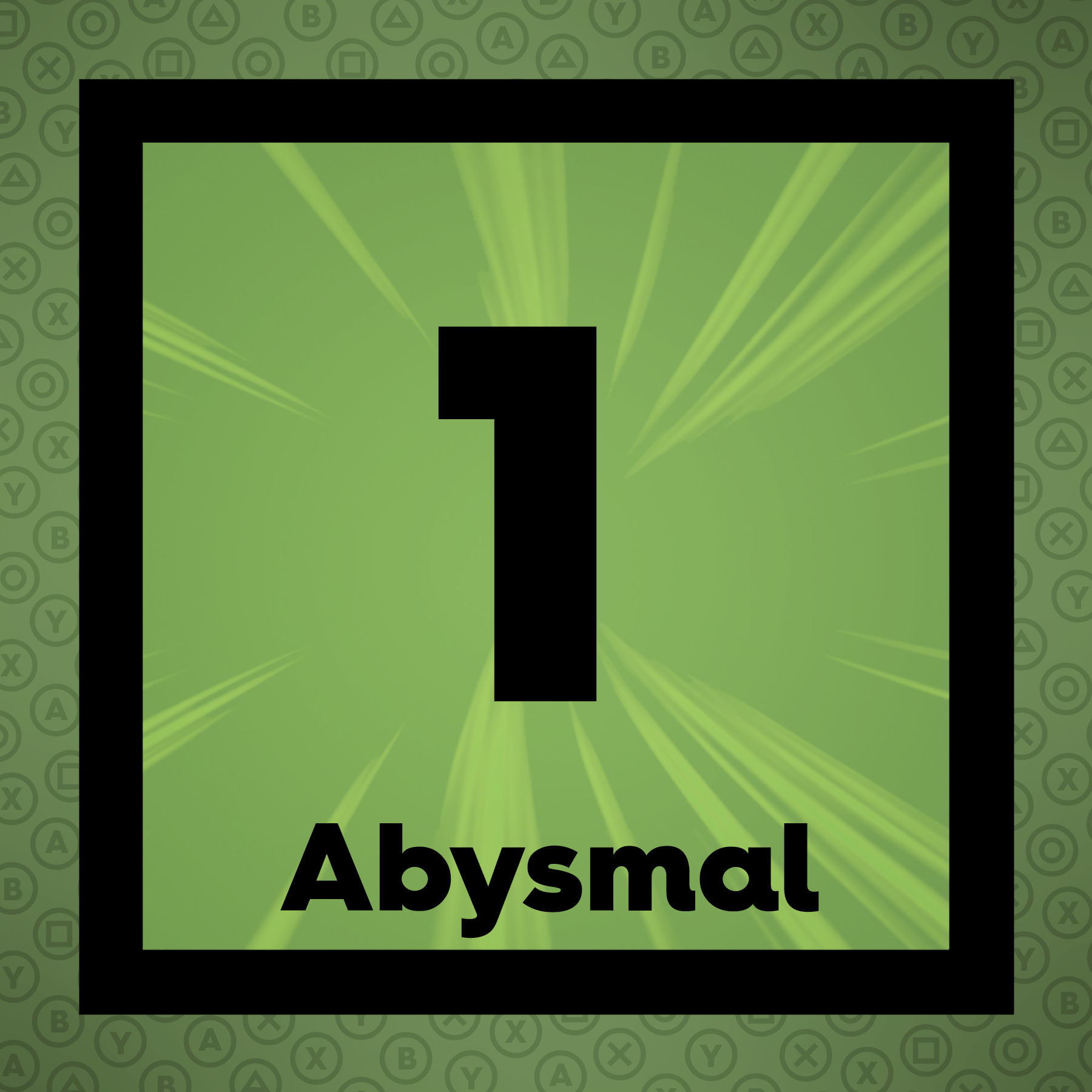
Pathologic 3 is a bizarre remake of a game from 2005 that seems to combine the worst elements from Persona 5 and the Arrow TV series, and wants you to think that it’s somehow compelling. Its lack of atmosphere and plain dressing sap any curiosity I had, and the need for the game to hide even the most basic of information may attract the equivalent of horror game Soulslike fans, but I’d urge anyone to stay away. Somewhere in Pathologic 3, there’s a very interesting Trauma Center game with plenty of lore, decisions to make, and patients to save. Unfortunately, a time-travel and horror story is grafted onto it. Horror fans, you deserve better.
MonsterVine Rating: 1 out of 5 – Abysmal