






2025 was an interesting year in gaming; profits were higher than ever, yet the trend of layoffs, triple-A studios struggling to please everyone, and price hikes seems to be a monthly occurrence. The biggest news item would have to be how Xbox is seemingly bowing out of gaming, and it may not be by choice if you believe that Microsoft has purposefully set them up to fail with unreachable margins. Even if you don’t think that’s the case, Microsoft’s hail mary into AI, along with most other companies give the appearance of quite the economic bubble. As someone who wouldn’t be exaggerating to say they grew up on Blizzard Entertainment games, it’s a sad sight to see, regardless.
2025: An Industry in Denial

Games industry layoff figures for the past four years, according to Amir Satvat. | Image credit: GamesIndustry.biz
I do think Xbox is the best example of just how mismanagement has failed the industry – the company went from “this is an Xbox” and garnering goodwill throughout the industry with constant appearances from Phil Spencer to being lambasted for their ties with Saudi Arabia.
There is still hope, as in the year previous, it wasn’t a huge, quadruple-A game that won Game of the Year at the prestigious The Game Awards, but a smaller title that looked fondly at the past of gaming: In 2024, Astro Bot, in 2025, Clair Obscur: Expedition 33. There’s also the fact that Hollow Knight: Silksong took over gaming as if it were the indie Grand Theft Auto VI.
As a fighting game player, it’s conflicting because new and continuing fighting games are thriving, but it seems like the biggest names in the industry don’t feel like that’s enough. There’s a discussion to be had about late-stage capitalism and recent political maneuverings resulting in tariffs, among other things, but if you were to ask someone if they wanted the video game industry to survive, the answer is surely to be “yes”. Unfortunately, it isn’t a simple yes or no that will save this industry, but plans that need to adjust to the times.
I’ve said it before in a similar year-end wrap-up, but I’ll say it again: I challenge every major publisher to release and maintain a fighting game. While this may seem like a self-centered request, there’s a reason I suggest this. Most fighting games are mid-budget and won’t break the bank. Fighting games also cater to a particular audience that’s happy to check out DLC and contribute to concurrent player numbers.
The current strategy of obsessing over making the next Fortnite or Balatro without investing time, effort, and accepting that it may just not happen isn’t working.
Honorable Mentions
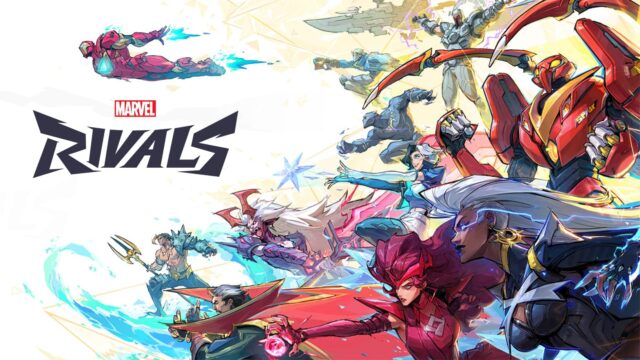
Though I do play a good number of games, and I’ve reviewed a handful of them this year, not all the games I enjoy were made in 2025 or were worthy of being anywhere near a top ten list. Marvel Rivals has caused Discord to revive its “store” in the form of the ability to look at and gift your Discord friends skins in that game. That should speak volumes, but there are also things to contribute to this, like how the game has Deadpool currently trolling it, a breakneck release of seasons and characters, references out the wazoo, interesting character design, and great lore and dialogue. While I do have my issues with the game, it’s one of the purest representations of fandom out there. While the Marvel Cinematic Universe is betting big on bringing back Robert Downey Jr., and games like Marvel’s Spider-Man 2 receive tepid responses, and Marvel Mystic Mayhem is shutting down after less than a year, it’s clear not every superhero-based bet is paying off for the House of Mouse. It’s also the biggest piece of media to have newly-popularized characters like Gambit (the movie Deadpool & Wolverine doesn’t count!) and Rogue, pairing with the immensely popular X-Men ‘97. Marvel Rivals came about in part due to Overwatch alumni, but in a way also has also eclipsed Overwatch, which is no small task considering Activision Blizzard at the time bet big by grafting esports onto it. Nimble movements like these allowed Rivals to avoid a fault of the now forgotten Concord with strategies such as making every character free. While the gaming industry is not perfect, Marvel Rivals is a fascinating look into the era’s games and is unafraid to tell a story, even as a Live Service game. I thank them for giving me a Steve Blum-voiced Wolverine once again. I can only speak for myself, but it’s clear this has resonated with many others, and I’ve talked to coworkers who only stick with certain series or co-op games who have tried and enjoy it. Who knew respecting the IP would be so profitable?
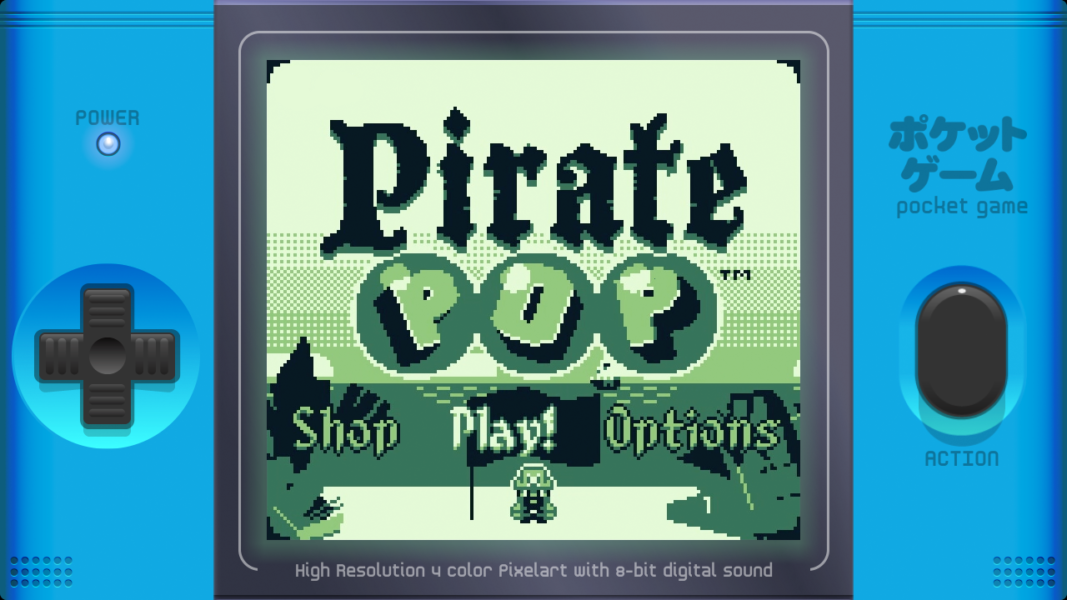
Teenage Mutant Ninja Turtles: Splintered Fate isn’t a 2025 game; in fact, it was released on Apple Arcade in 2023. That being said, I don’t have an iPhone, and had the opportunity to review the game as it hit Steam due to its at the time upcoming DLC Casey Jones & the Junkyard Jam. I’m not sure why we keep getting licensed TMNT games that are really compelling, but between this and Teenage Mutant Ninja Turtles: Tactical Takedown, I can’t complain. It’s a great game with some minor roguelite pains, but even if I were to say that, by the time I had finished reviewing the base game and DLC, Super Evil Megacorp had seen fit to address nearly every problem I had with the game. Great voiceover work, Foot goons to bash, a bumping soundtrack by Chris Hülsbeck that accompanies you through ever-increasingly demanding gameplay — I felt as happy as a turtle getting their shell scratched. While the story doesn’t seem to be complete, they did recently release a Metalhead DLC, so in a world where games are shut down at the mere thought of shareholders tut-tuting, Splintered Fate is a solid choice whether you’re The Last Ronin or have some reptilian brothers in mind for co-op.
Magic: The Gathering (Arena), if you’ve been living under a rock, has been making some moves lately. While I’ve written extensively about them, it’s worth pointing out that after taking an extended break, they’ve brought me back in with their Universes Beyond suite of cards. I’ve had a lifelong, on and off relationship with Magic: the Gathering, and stepping away from the game allows me to be relatively surprised and curious about what’s happened since I left. While the Standard format is currently in a very interesting place as the rapid releases and Universes Beyond obligations cause growing pains, I still find Brawl and Draft (sometimes) to be enjoyable endeavors. Sephiroth, Fabled SOLDIER, is a pretty straightforward commander who isn’t disgustingly powerful or abusable, like, say, Acererak the Archlich, and by flipping him, you’ll have an emblem that’s sure to end the game. On the same note, I was able to slot Wan Shi Tong, Librarian, into my Tamiyo, Inquisitive Student deck, which allows me to float two mana rather than committing it, as well as existing in a format where people will search their libraries for surveil lands, or even Enlightened Tutor out some of the nastiest cards in existence. As a “one of” format, it’s also nice to have more instant speed cards equivalent to Malcolm, Alluring Scoundrel, and Faerie Mastermind. Don’t worry, folks, this isn’t a Simic “You’ve already lost” deck – it’s monoblue!
Also, while the Spider-Man Universes Beyond did scare me a bit, going through Final Fantasy and Avatar: The Last Airbender respectively, it’s clear that when given time and design space, the sets that result from Universes Beyond can be beautiful, reverential things that invoke the same feeling of watching Avatar or living through some of the classic moments in Final Fantasy.
Digimon Story: Cyber Sleuth Complete Edition’s original version came out nearly 10 years ago, yet I decided to pick it up as I hadn’t touched a Digimon game in some time and needed something for my Switch to play. While this game isn’t some sort of classic history forgot, part of me wonders who let this game come out as is. Even the conceit starts out in a strange place, with the main character being attacked by a digital mollusk that causes the protagonist to no longer have a body and live on borrowed time, which sounds much more like the results of an eldritch horror story than a Digimon game. The writing goes from strange, to perfunctory, to “dank” – I know the bar was “release a Digimon game” and they definitely did that, but hearing a Digimon impersonating the guardian to a heir of an international company hint at some very sexual content was unexpected to say the least. Additionally, the main character doesn’t speak, but will emote, and can talk to themselves – pick a lane! The strange choices even present themselves in the area most people are going to be drawn to a Digimon game in, the Digimon themselves. You’re gifted “NX” versions of Mega Digimon which are very powerful, and I’m not sure how the DigiFarm works, but maybe because my Switch was always on, my non-party Digimon shot up in levels, which is a necessary part of the game due to how Digivolution and Loading Digimon works, but at the same time, it makes it so that there’s zero challenge in the game – this is not a complaint on my part, just an observation. I’m sure in some aspect Bandai Namco is just glad people are still purchasing and playing a ten year old game, but if you want a strange game that has decent combat, prescient to silly stories, you can probably pick this up on the cheap if Digimon Story Time Stranger isn’t in the budget right now.
Game of the Year: My Top 3
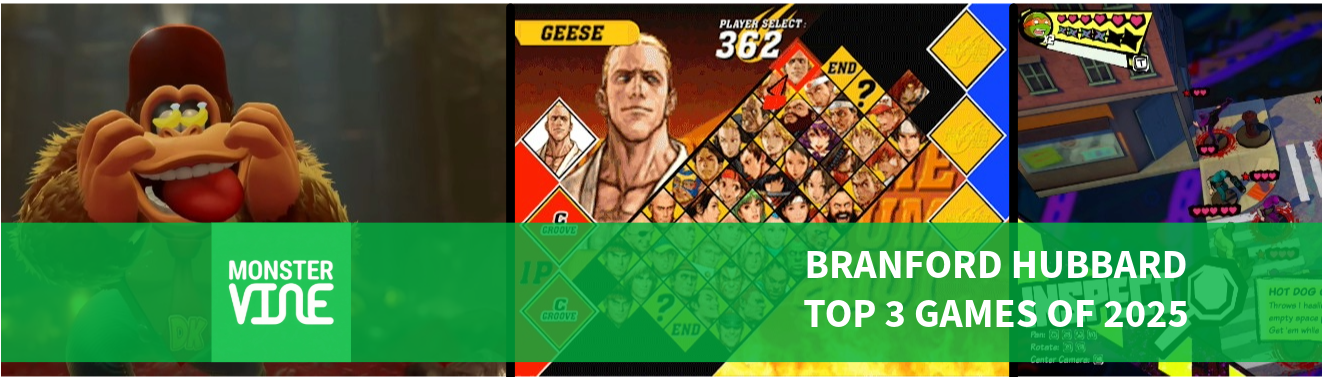
3. Teenage Mutant Ninja Turtles: Tactical Takedown
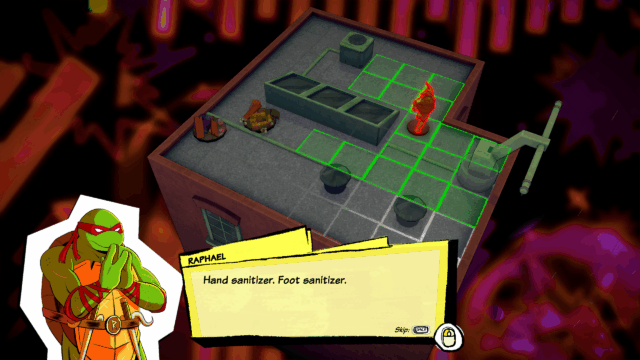
Teenage Mutant Ninja Turtles: Tactical Takedown isn’t the biggest game, or the most expensive game, but it’s the latest in a series of shockingly impressive licensed TMNT games. Just like Teenage Mutant Ninja Turtles: Splintered Fate before it, it’s a great realization of the property, only this time in the format of a turn-based tactical game. While the change in genre may seem odd, and only playing as one turtle at a time isn’t exactly radical, the team at Strange Scaffold makes it work. You can check out my review, of course, but the diorama-like graphics, simple yet engaging story, and ability to Sparta kick Foot goons off the board is supremely satisfying. Adding the “toppings” of R.J. Lake’s excellent soundtrack, which embody each turtle and have you entering a flow state, thinking about the best way to keep your turtle alive through the odds, is almost as satisfying as a greasy sewer pizza.
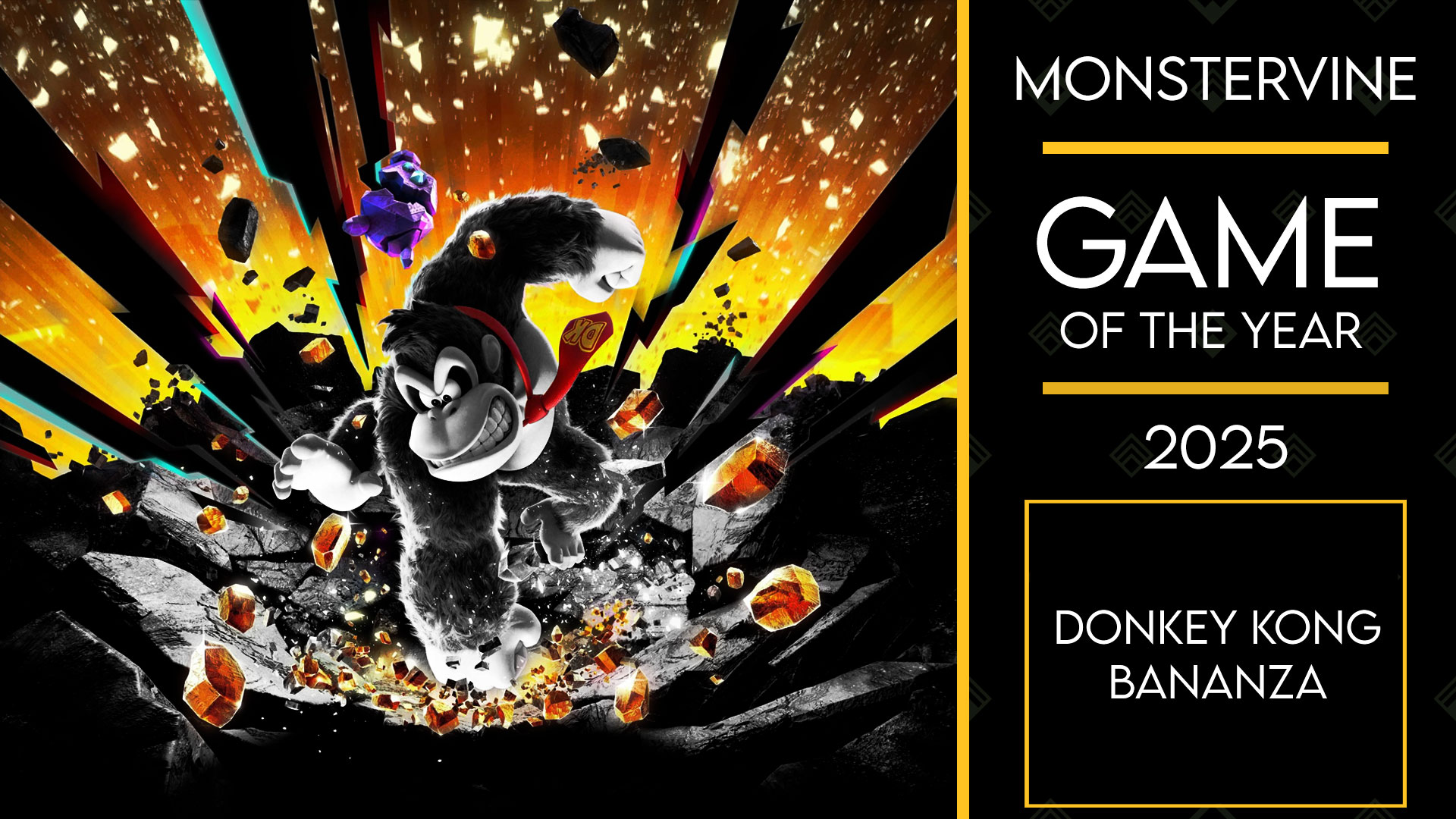
2. Donkey Kong Bananza
I consider myself a Donkey Kong fan, but I’ve been away from the franchise for a while. In truth, I’ve decoupled from Nintendo for the most part, only coming back for their first party Fire Emblem games, and the convenience of a Switch and its successor. With each new game announcement after Donkey Kong 64, hearing that K. Rool and his Kremlings wouldn’t be a part of it just didn’t feel right for the most part. Even musically, it seems that Rare truly were the parents of the banana-obsessed simian, with any new music in Smash Bros. not having that David Wise “je ne sais quoi” of the Country series. In looking at DK’s past, that seems to be the case with his portrayal, even extended to something like the Mario Kart games. Combined with a recent era of Nintendo looking to make most aspects of their franchises “brand safe” and have the widest appeal possible, I thought my era of being excited about Donkey Kong was over.
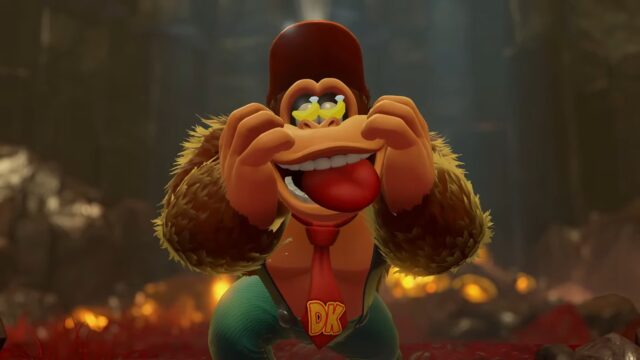
I don’t give this preamble to simply complain, but to give context for what Donkey Kong Bananza does for the franchise. The previous Super Mario Odyssey team seems to really have found their stride in trading in a portly plumber for a more destructive, more expressive protagonist. The game itself is a joy to go through, continuing the trend of Nintendo allowing players to use unconventional thinking to solve puzzles, beat bosses, and manage to put fun in something as simple as navigating the world. Bananza isn’t just the newest game starring Donkey Kong, but strangely enough, a sequel to Donkey Kong 64, though I suppose that messaging would’ve only gone so far even with meme culture. While Donkey Kong 64 was an unwieldy yet ambitious game, I almost feel like Bananza embodies what 64 tried to be, but with the leaps in technology and having Super Mario Odyssey under their belt, they succeeded.
As a final cryptic note, I will also applaud the fact that they remembered, and I salute them for that.
1. Capcom Fighting Collection 2
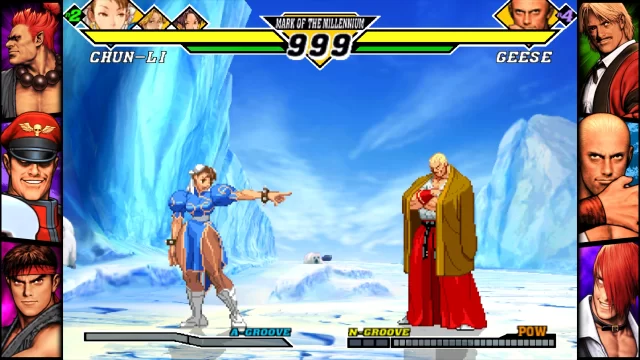
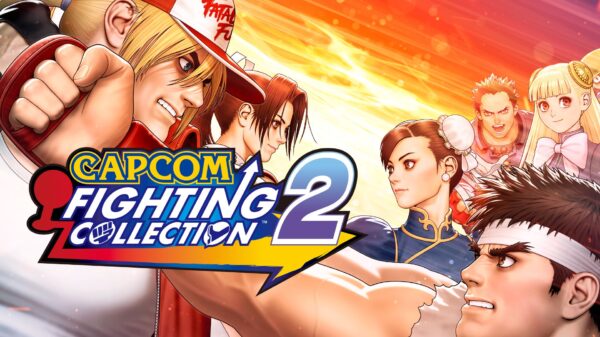
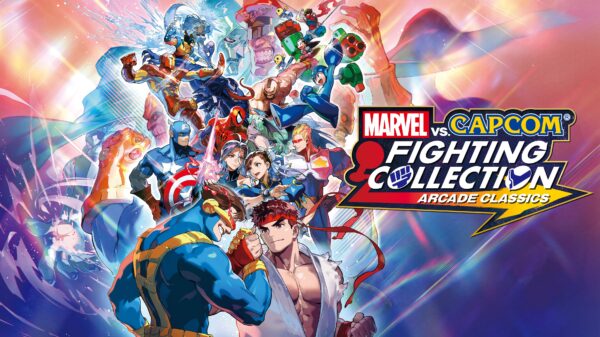
Capcom Fighting Collection 2 is my Game of the Year for a number of reasons. Yes, there are negatives, but it’s less of a game and more of a standard the industry should reach towards going forward. While my review goes into great detail on what makes it so groundbreaking, I’ll be brief. Firstly, it may sound like a tired adage, but games, particularly fighting games, aren’t made like this anymore. The effort to engage a wider audience has flattened playstyles from a variety like runaway, zoning, midrange, and puppet characters to almost exclusively rushdown. It was an age where fighting games were made for fighting games’ sake, not to “make numbers go up”. This grouping of talented developers, artists, and the ideas they have makes for a set of (mostly good) games that are fun to jump into. Initially, this collection was not considered the preferred version of many of the games as they were remembered by nostalgic gamers or the Fighting Game Community (FGC), but much like the previous Marvel vs Capcom Fighting Collection: Arcade Classics, they updated Capcom Fighting Collection 2 to implement glitches and version features many consider the standard. It’s fairly rare for a company to release a collection and update it, but they also added new fantastic music courtesy of CAP-JAMS. They didn’t have to do any of that.
Collection 2 also brings some very rare Sega NAOMI games, which people have been both speculating and salivating over when they’d be brought back. This collection is a win no matter how you slice it: for gamers, for FGC members, for preservation’s sake. Especially in an age where games are disappearing and ownership has become increasingly nebulous, more companies should follow Capcom’s footsteps with this Collection series.