































As soon as I saw the trailer for Chivalware, I was immediately interested in playing it. The mix of Mega Man Battle Network-inspired realtime grid battles and an incredibly sharp Flash animation-esque style checked a lot of boxes for me, so I was instantly ready to play the preview build that was made available. I came away from it even more impressed than I anticipated, meaning the game‘s Q4 2026 release cannot come soon enough.
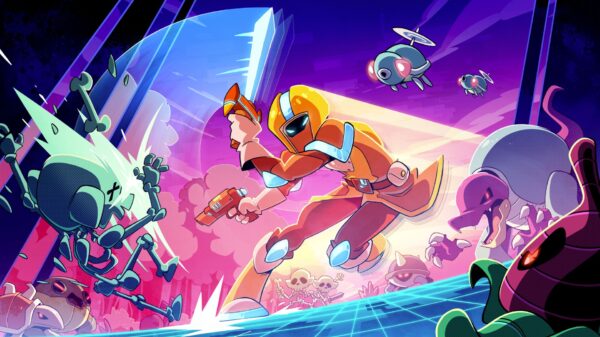
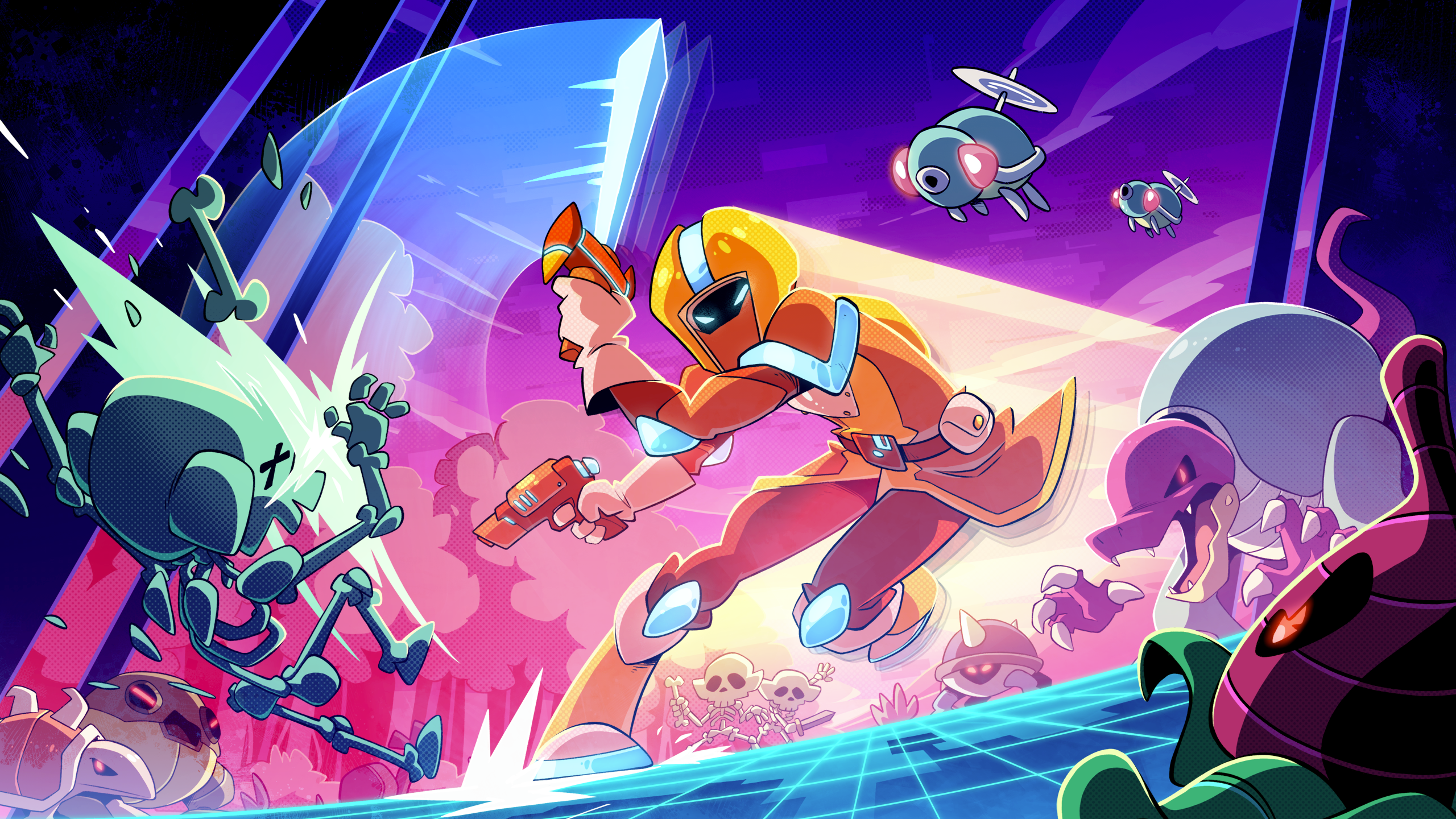
I was thrown into the action of Chivalware pretty quickly, with a breezy tutorial that immediately got me into the flow of things. You’re plopped onto a grid with numerous enemies, though you can freely move between panels and attack with your three weapons. Though you start with a pistol, sword, and hammer attack, a major part of the game has you swapping out weapons (in the delightfully nostalgic form of floppy discs) to build a truly formidable loadout. The weapons are varied and a blast to use, and I feel like I’ve barely scratched the surface over my few runs.
Credit: The Arcade Crew
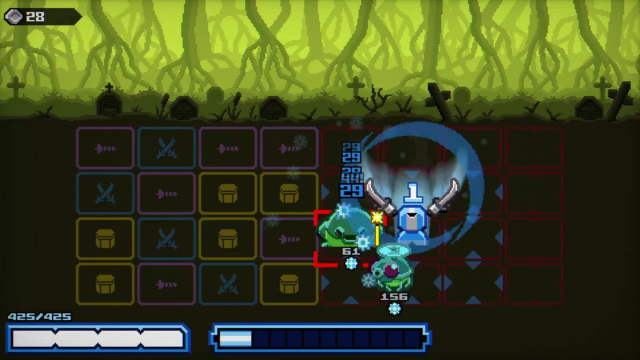
Chivalware adds tile-matching into the already riveting combat.
One of the most unique aspects of Chivalware is the tile-matching aspect. In addition to navigating the grid, you’ve got to pay attention to the colors of the tiles. In order to use your weapons, you need to build up energy by moving onto groups of three or more panels of one color, then selecting them to build up your energy. This shifts the grid’s color makeup, creating a miniature puzzle game within the combat itself. It’s a remarkably unique concept that I haven’t seen done quite like this in any other game, and it serves as a fantastic evolution of this type of gameplay.
The roguelite elements blend incredibly well with the frantic combat and tile-matching, as it feels like you’ve always got to think about a few things at a time. Will switching to a more powerful weapon with less reach pay off, or get you killed? Should you spend your remaining money on regaining health before a boss, or a more permanent upgrade that’ll pay off if you survive the boss? Like with any good roguelite, these decisions are tense but can lead to a remarkable feeling of being immensely overpowered.
Credit: The Arcade Crew
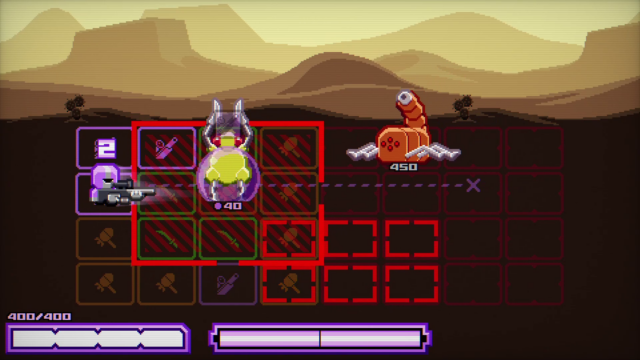
Enemies frequently get gimmicks to keep them from falling behind, though, such as colored barriers that resist certain weapons or shielded health points that require further damage to wear down. These provided the perfect level of challenge, as dealing with several enemies with a variety of perks that make them stronger leads to intense moments of juggling your weapons while matching tiles, all whilst never becoming too overwhelming.
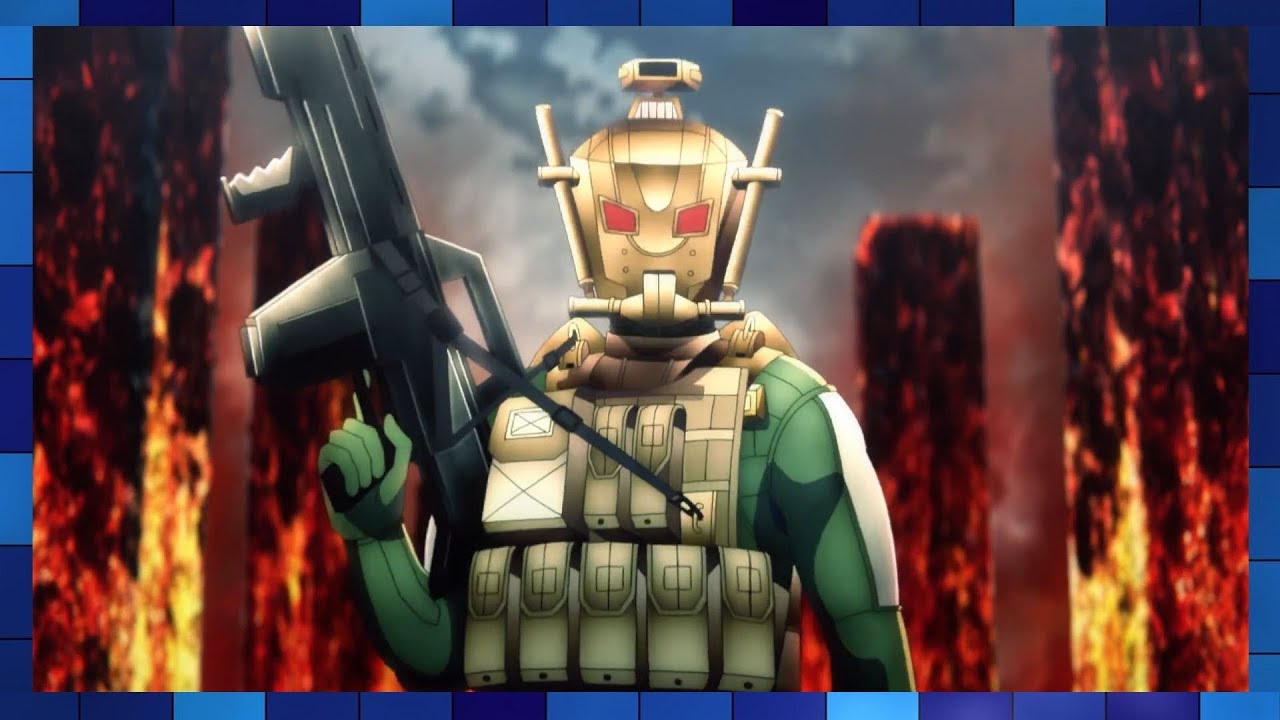
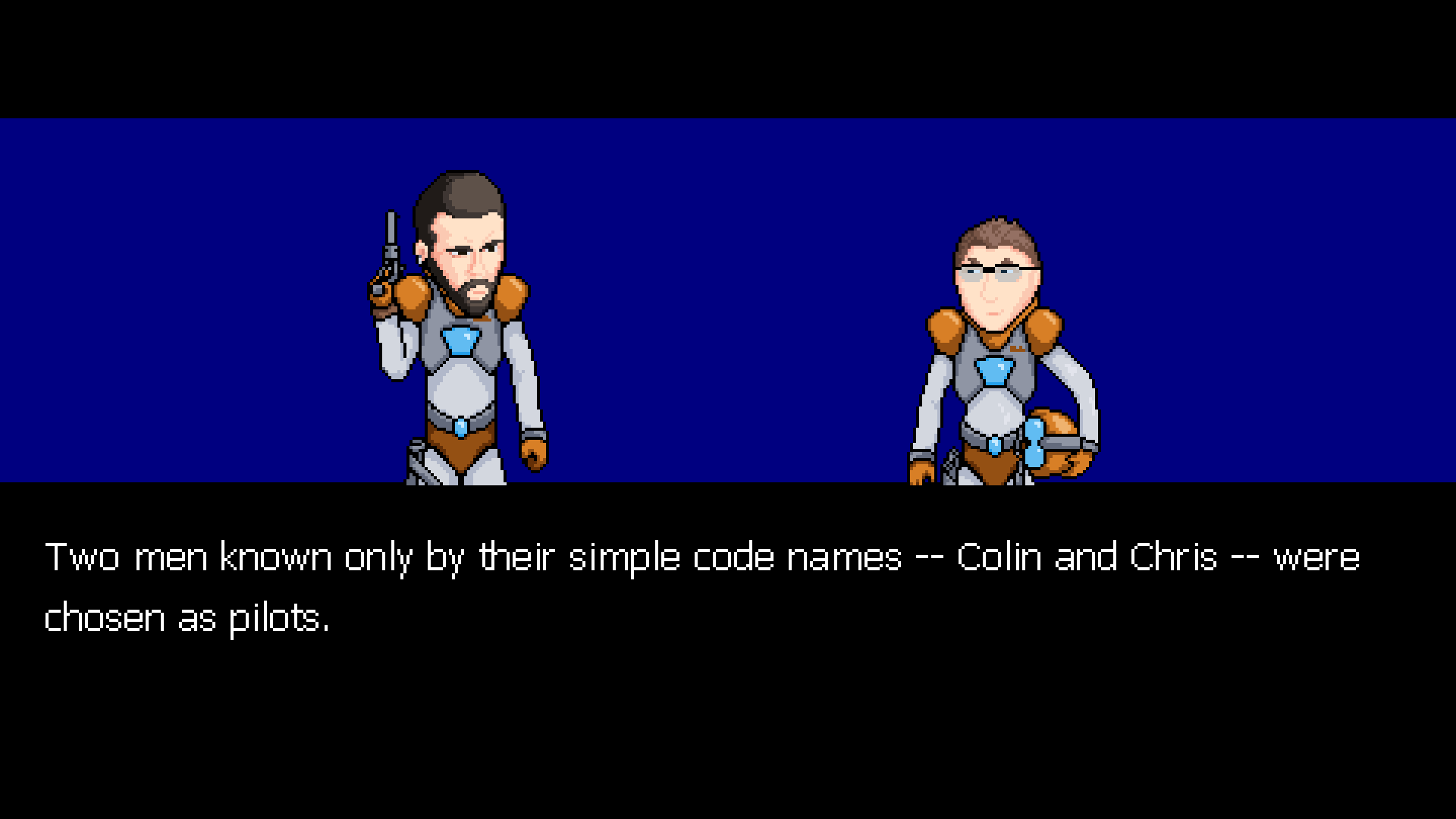
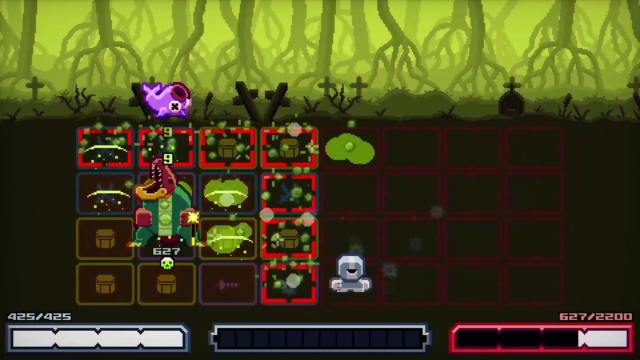
The art style strikes a pleasing balance between simplistic pixel art and a smooth character design that’s reminiscent of Flash animations. The enemies and NPCs are memorable and feature pretty snazzy designs, and the environments that you come across are suitably distinct from one another. A couple of the bosses look just a tad simplistic, but I dug most of their looks.
Credit: The Arcade Crew
I legitimately cannot wait for Chivalware to release, as it feels like an exciting evolution of the gameplay I grew up loving in the Mega Man Battle Network series. By melding fast-paced grid combat with roguelite progression and a slick and colorful visual style, Regal Pigeon Games seems to have crafted something special. I can see myself sinking a lot of time into the full game, and waiting until the last quarter of the year to do so will feel like a long time.