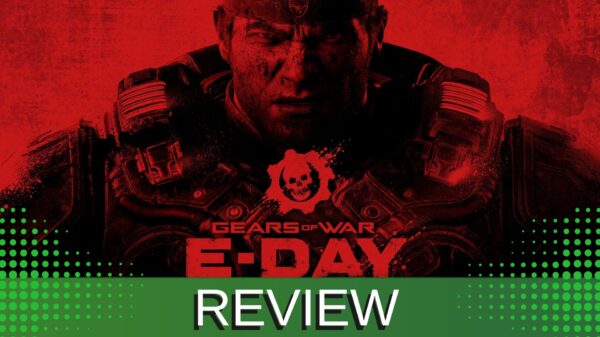








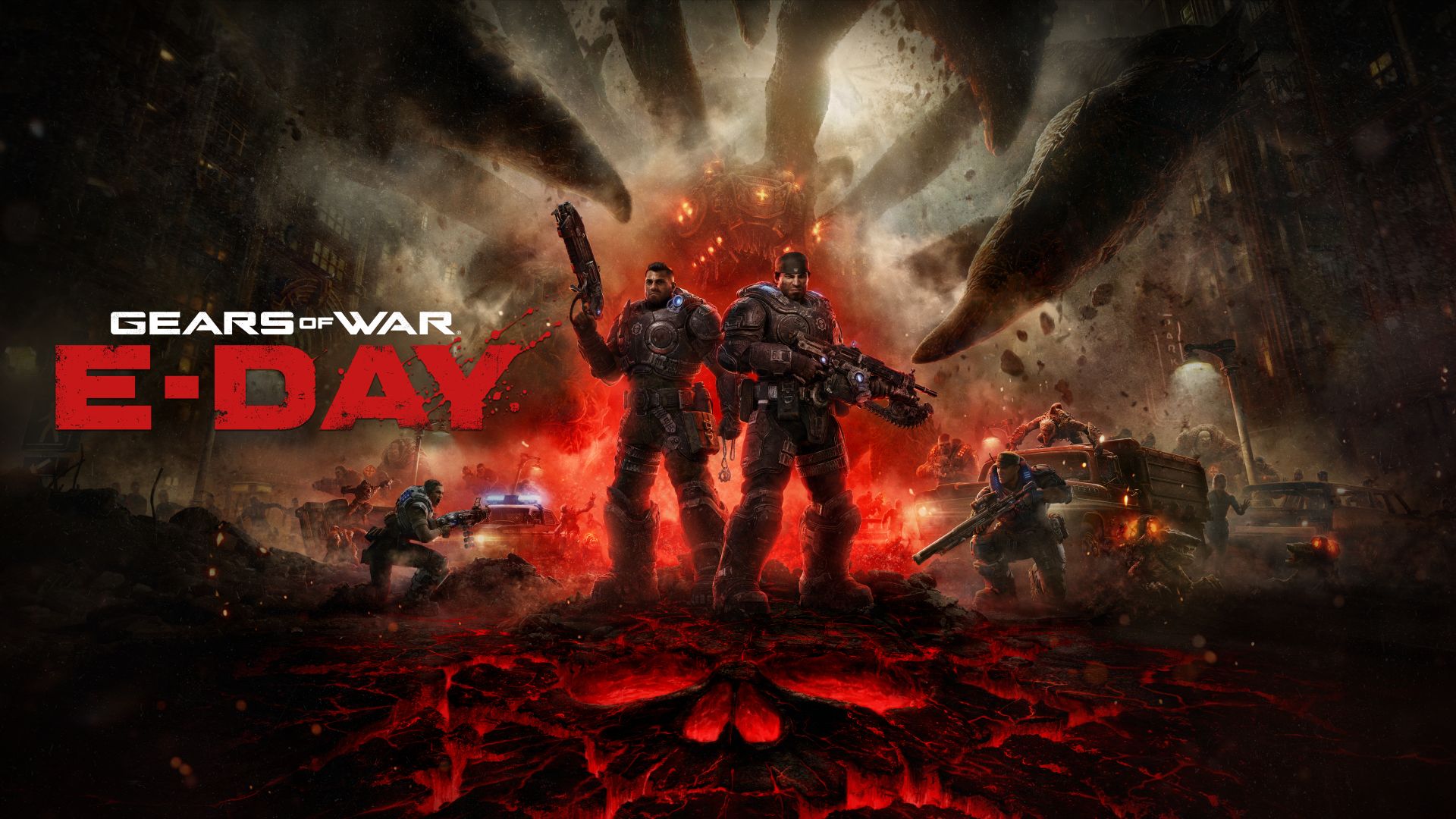

The Gears of War franchise has always had many things that made it special. This includes the over-the-top gore we’ve come to expect. The Coalition’s upcoming game, Gears of War E-Day, is shaping up to be just that. Recently, MonsterVine was invited to go hands-on with the game, during which we played a total of 6 hours of the upcoming shooter. In that time, I was able to test my luck in Horde Siege and my skills in multiplayer.
Horde Siege had a lot to offer, and it almost felt wrong referring to it as Horde in 2026 because of how much has changed. Before loading into a game, you’ll have the option to select one of four classes. There’s Assault, a midrange fighter class; Breacher, a close-range class; Marksman, who’s better at long range; and Medic.
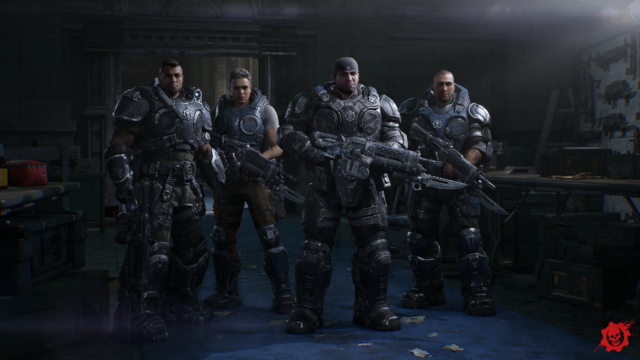
Each class essentially has its own ultimate move that can help you survive a firefight. For instance, the Assault class will deploy a stun, and the Breacher will heal themselves. The Marksman can reveal enemy positions, and the Medic can heal/revive teammates.
But picking a class is only half the battle. It’s also worth noting that you’ll have shared XP that will transfer between all four, and the higher level you are, the more weapons you can use. When you first load in, you’ll be stuck to the guns originally tied to your class. As you progress, you’ll not only be able to unlock better gear for said class, but you can also upgrade your weapons.
Even though this was a feature I wasn’t able to explore fully, I did toy around with it for a little. One of the things I really enjoyed was attaching a bayonet to my Gnasher, which allowed me to spear people like you could with the Retro Lancer. This was just the tip of the iceberg of what I was able to do.
After looking through what every class had to offer, I finally jumped into a match. Each game takes place on a giant open-world map. You jump into a lobby with 12 other players and are split up into three teams. While you can interact with them, there’s not really a point to running with them because it’ll hurt your overall goal.
You’ll always have a main goal to complete, usually involving the defense of a specific area. As you’re getting ready to start the onslaught of Locust, you’ll need to properly defend the area by buying stuff like barbed wire, dummies to confuse the enemies, and sometimes even mini mortars. Once the wave starts, it’s pretty straightforward: survive X waves until the mission is complete. The second it’s done, the entire squad will receive some kind of buff for the remainder of the game.
Depending on the mode you play, you’ll sometimes have one main mission or more. As you finish them, the map is filled with various side objectives for you to complete. Each side mission is fairly short too; the ones I was able to do involved killing a high-profile target or simply closing up E-Holes that were suddenly popping up.
What really made Horde Siege stand out was the Invasion feature, which only happened once. Whenever it starts up, a giant boss will appear and often force all three teams to work together to take it down. For me, the boss was Corpser, who rose from the ground, accompanied by a small army of Boomers and other Locust. I found this quite enjoyable because it was one of the only times where it felt as if having 12 people in a lobby mattered.
We all came together and fought in this giant battle that felt bigger than any of us. But the second it was done, we all split up and went right back to our squad missions. What was nice about doing your missions was that you’re not timed at all. So you can take as long as you want exploring the areas.
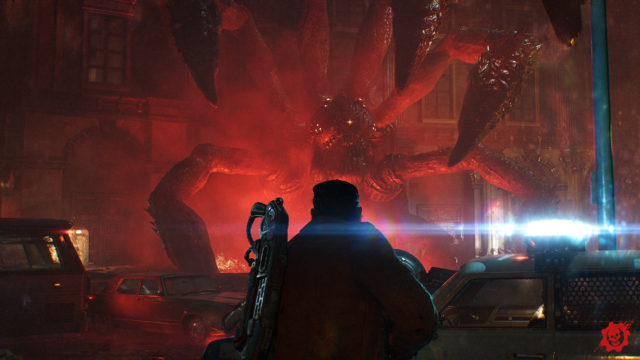
The second you’re done, though, you can leave the map. This works similarly to how Call of Duty Zombies plays out when you’re trying to end a mission alive. An extraction area appeared on the map as soon as I got there; my team and I had to hold out for a few minutes until a helicopter came to pick us all up. Once you hop on the helicopter, you’re all but done with Horde Siege, and all that’s left to do is collect your XP and upgrade your class for the next run.
After killing a bunch of Locust for a handful of hours, I jumped into multiplayer to see how differently things were this time around. For better or worse, a lot of it felt the same as I remembered it being from Gears 5, and even the first Gears of War.
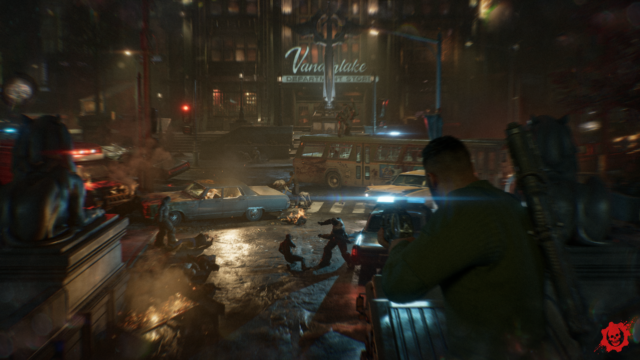
Everything that I mentioned about classes and gun upgrades in Horde Siege is thrown out the window when it comes to multiplayer. The only thing you can really change is the skin of your weapon, icon banner, victory pose, and which character you want to play as.
Each map has a similar three-lane structure and allows you to move around with relative ease. This is important because the multiplayer plays a lot like early-2000s multiplayer games, with power weapons spawning in specific areas. If you manage to get your hands on one, you’ll have a huge advantage over the other team.
One major other thing that disappointed me was not being able to use someone as a meatshield. This was something I was trying to do time and time again, but every time I tried to grab someone, they weren’t there. I hope that changes when the game’s fully out because it was one of my favorite things to do.
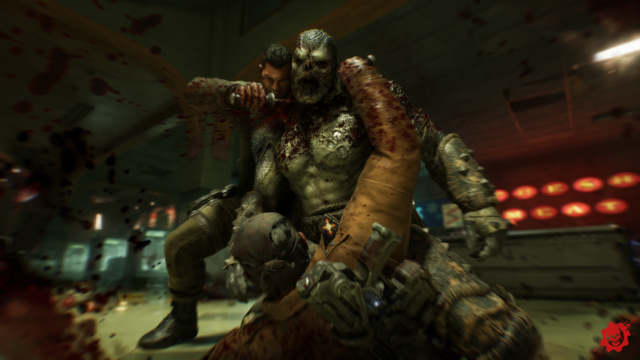
But that’s not to say multiplayer was bad. In fact, there were a lot of things I enjoyed, such as being able to blow myself up with a frag grenade if I went down holding one. The other being how your character uses the ground for cover. Even if there’s a small ledge to hide under, they’ll completely duck under it, with them essentially lying on the ground.
Multiplayer is where I really started to appreciate the game’s movement. Even though I am deeply saddened that wall bouncing has been removed, there’s still a lot to enjoy. For instance, you can now jump. As silly as that sounds, it makes a huge difference because it allows you to climb up certain areas and get around a lot faster. On top of that, you can even slide towards enemies or even through tight areas.
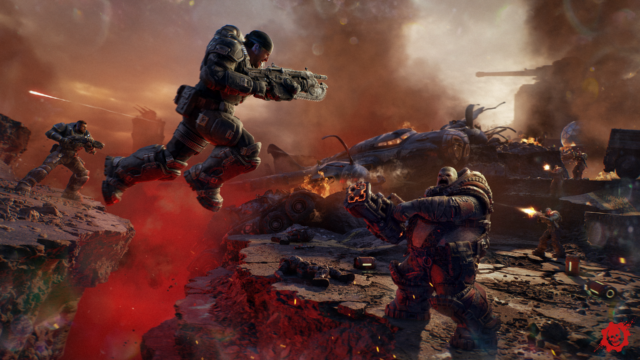
So even though I can’t channel my Hispanic roots by bouncing from wall to wall, I was able to get around relatively easily and fast. But that’s where a lot of the core changes begin and end. At the end of the day, it’s still Gears of War multiplayer, which means one thing. The Gnasher is king. Sure, you can use the Lancer or other guns, but most people (myself included) were running around with the starting shotgun, and that’s it.
This really gives multiplayer that competitive edge. There were two modes I was able to play. The first was Team Deathmatch, and the winner was decided by who was the last team standing, and the other was Conquest. The latter mode was one that I enjoyed more because it forced us to run around and explore the map. In Conquest, a key area would suddenly open up, and if you controlled it long enough, you’d score points that would lead to your victory.
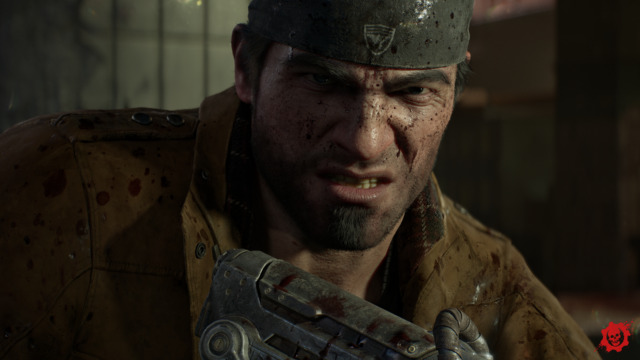
After playing a handful of multiplayer games, my time with Gears of War E-Day had concluded. Horde feels completely different this time around, and it still feels weird calling it that because it’s far from its original roots. Despite everything you can do in Horde, it can get repetitive after a while. Multiplayer, however, is just as I remembered it all those years ago. Not much has changed on that front, but it’s still enjoyable to go in and get a few matches. All that being said, I’m still excited to see what Gears of War E-Day has to offer upon its full release on October 6.