



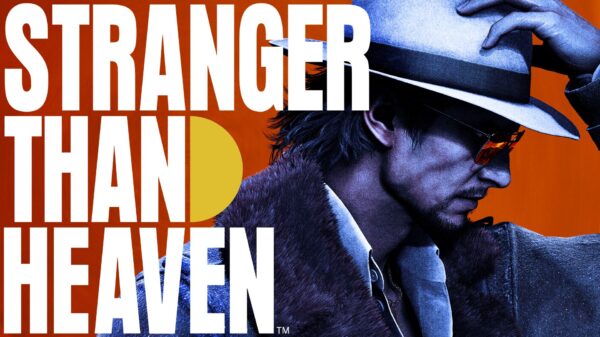





As a fan of the Yakuza/Like a Dragon franchise, I was confused about how Stranger than Heaven was shaping up. Even after a brief playthrough at Summer Game Fest, the combat and story were intriguing, to say the least. When the opportunity to get three hours of hands-on time came by, needless to say, I wanted to give it a second chance. Surprisingly, what I played completely changed my tone of the game. Now, it’s one of my most anticipated games of 2027, and should be yours, too.
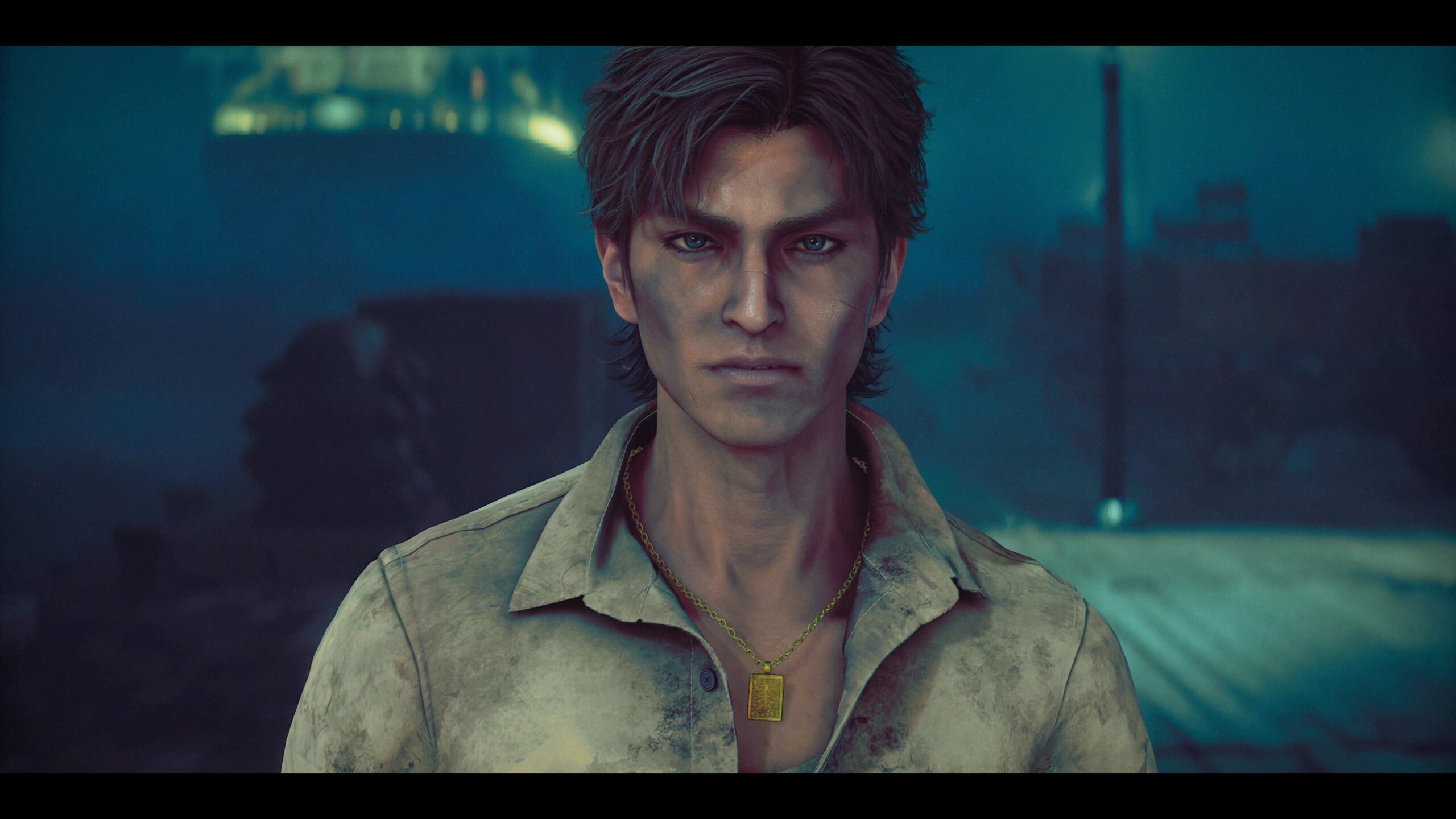
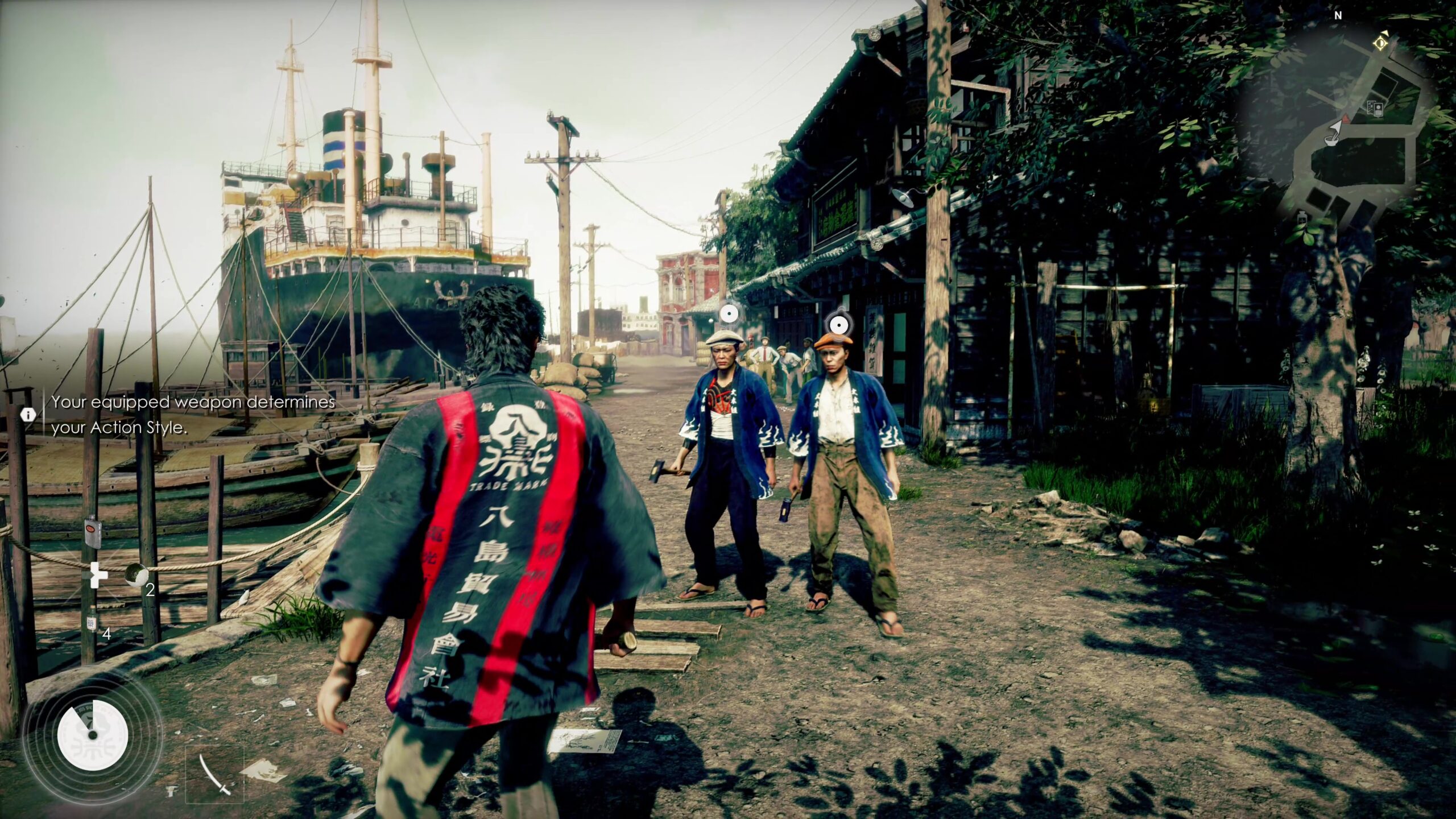
The first segment is the title’s opening, as we find a disguised Makoto Daito hiding from the cops. Despite pleas that he is not guilty, the police aren’t going to let him go, and he fights them. Instantly, you get a gist of the combat system. Your right and left bumpers and triggers are your hands, with the front being light attacks and the back being heavy. I won’t lie; it can take some getting used to.
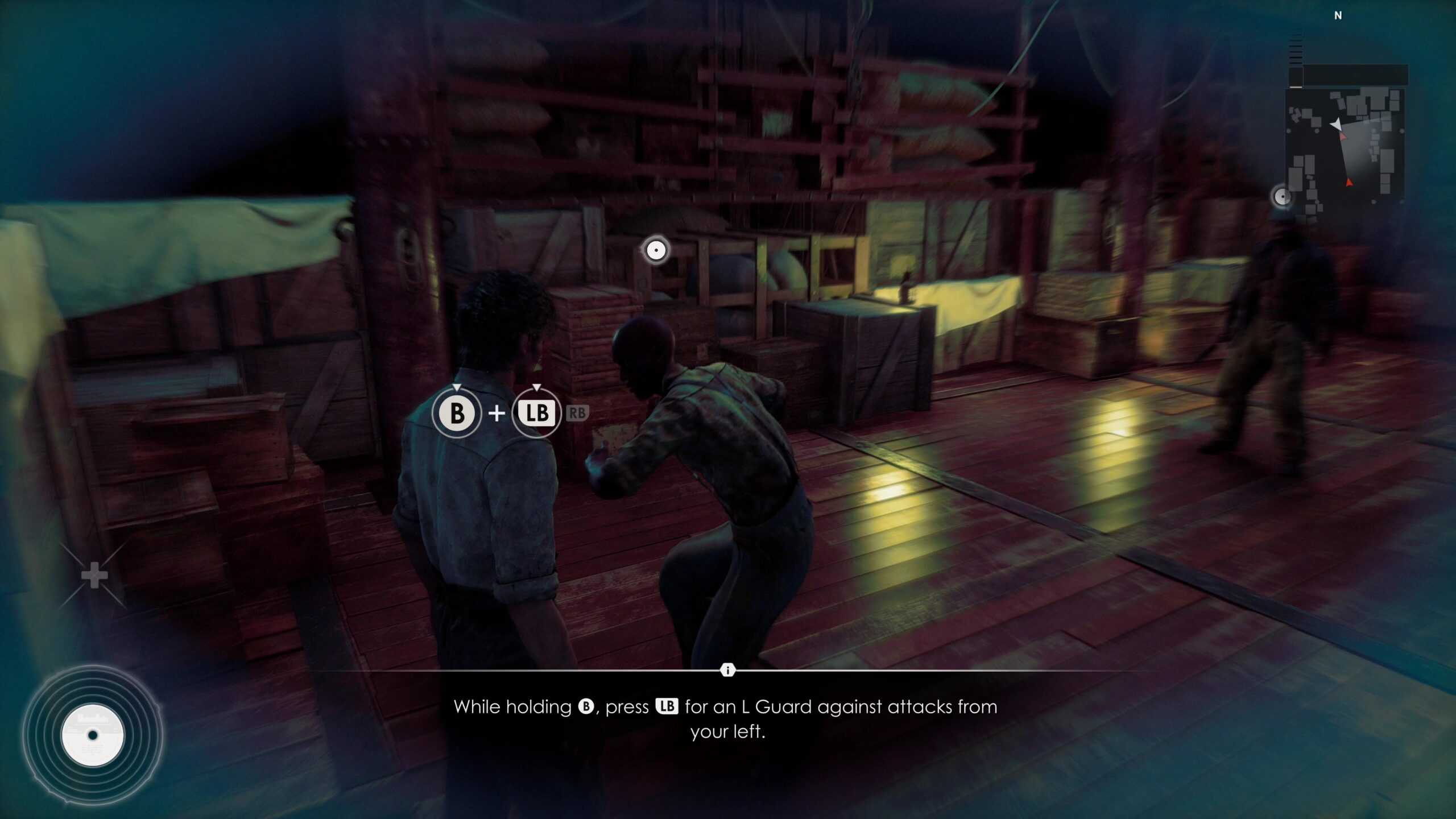
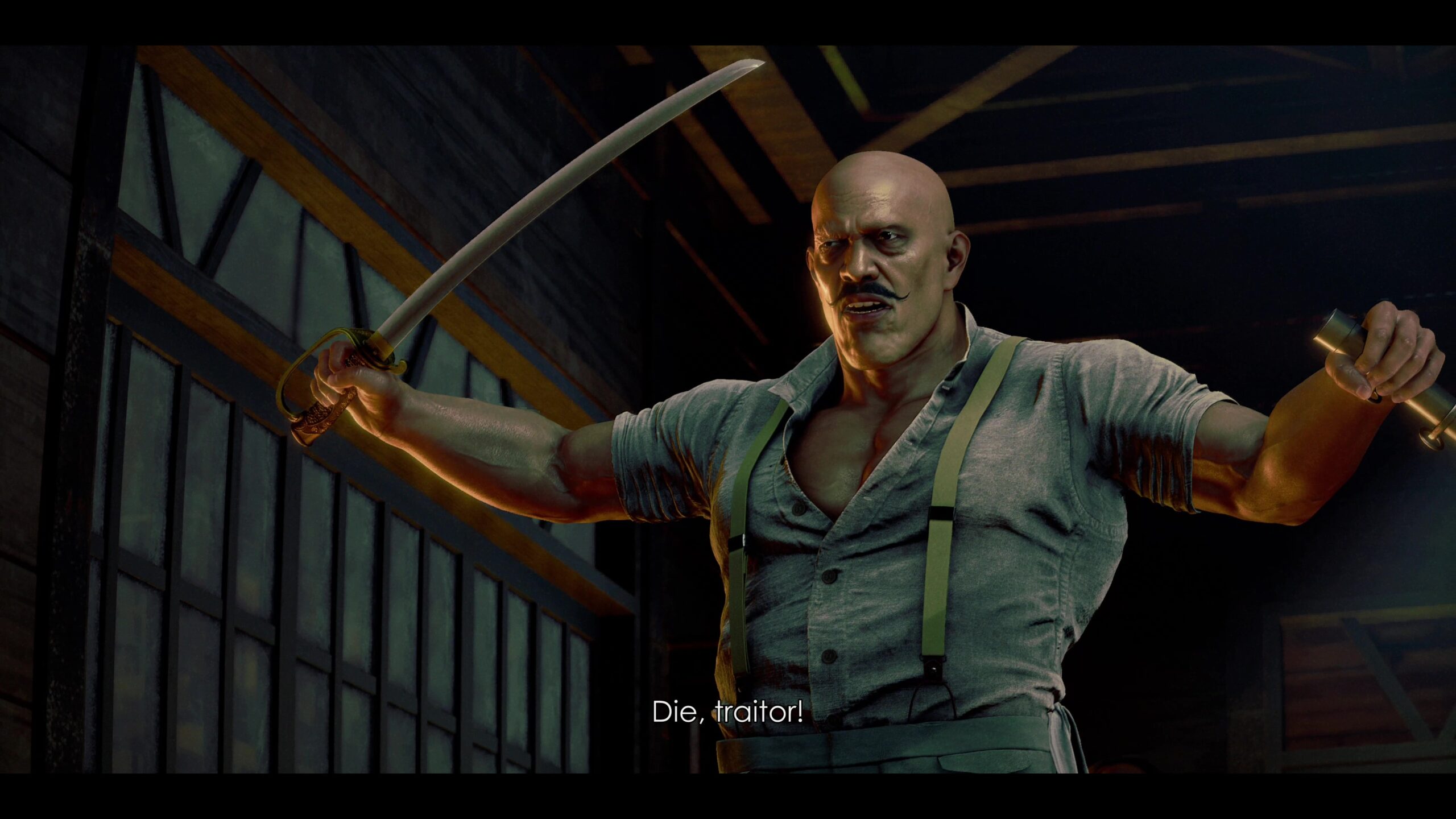
Differing from Yakuza’s simple button press, assigning attacks to your back buttons is an interesting choice. I wasn’t a fan of it back at SGF, as it felt awkward and slow. Now, however, it feels so much better and smoother. It feels like a system that will grow on you, just as you grow with Makoto over the years. Attacks feel good when they land, and blocking/evading never feels like a burden. This rings true in one of the boss fights I encountered, as the hulking enemy felt extremely intimidating, so every successful punch and block was exhilarating. I died a few times, but I managed to take them down with well-timed hits from my Rusty Nata.
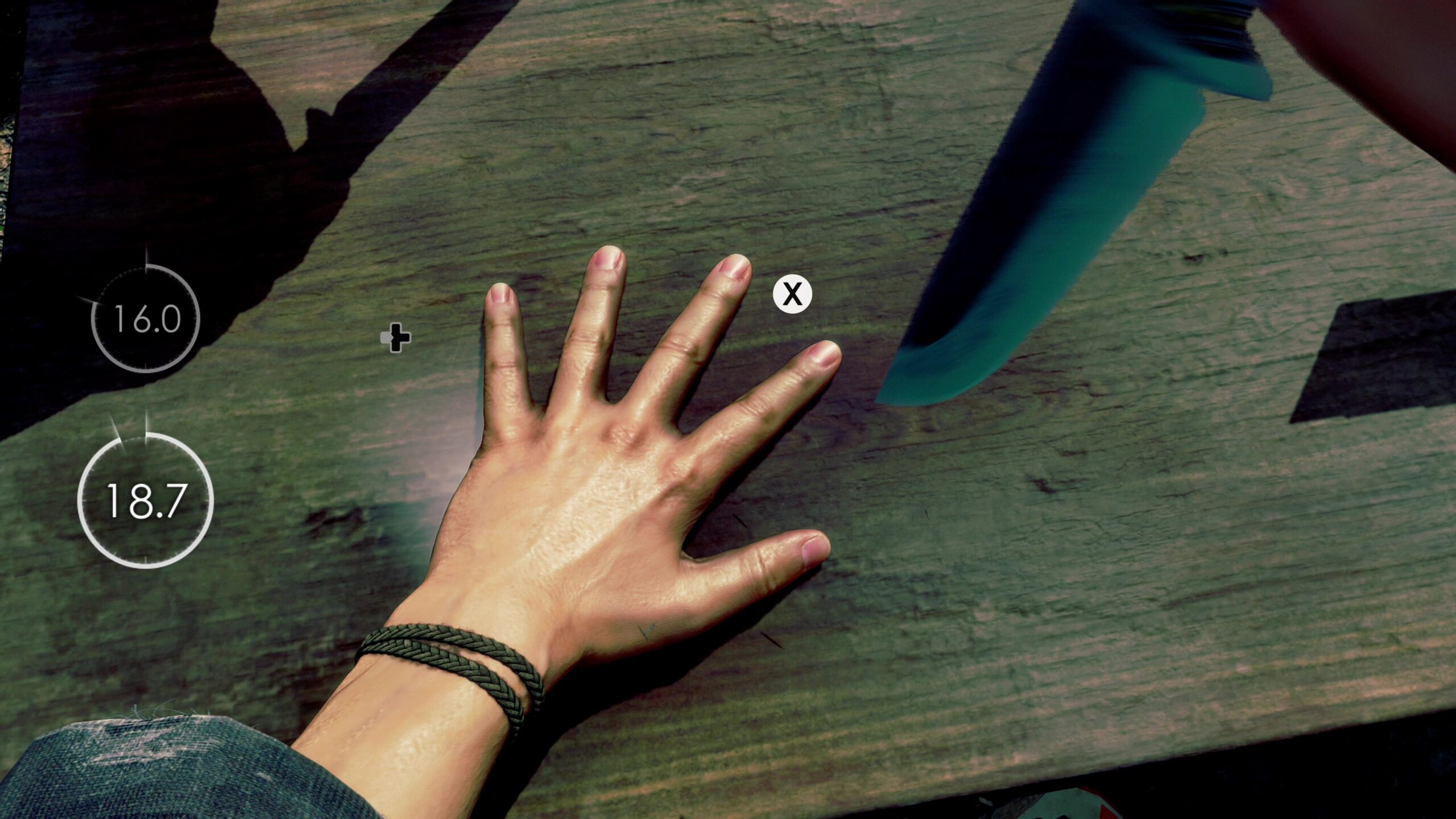
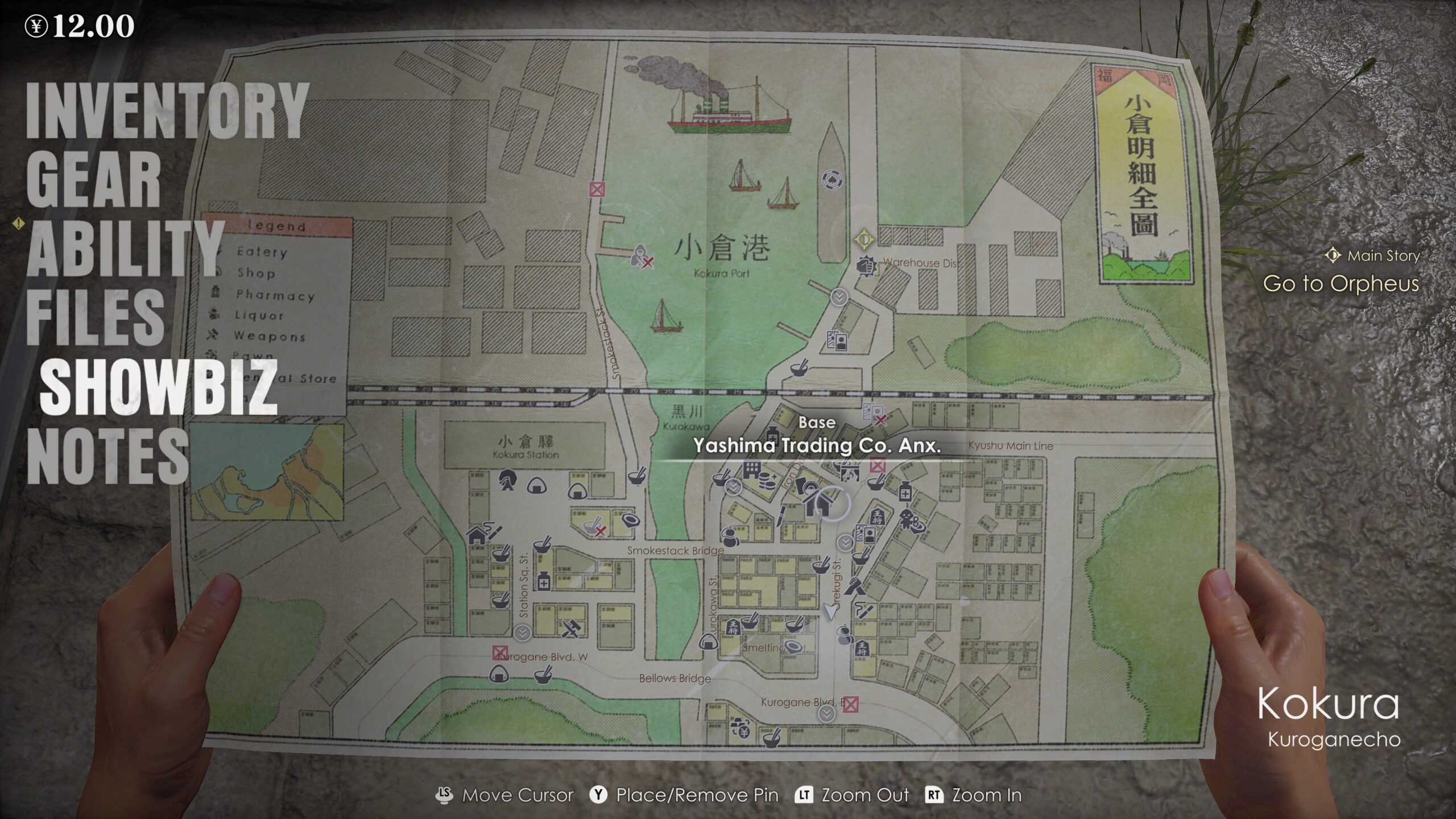
A majority of the demo I played was focused on combat and bits of the world we’ll explore. You can feel some of the Yakuza DNA here, as random fights and side activities line the streets. Our second session gave us time to explore Kokura, so I took a moment to get to know the area. I played a daring game of Five Finger Fillet, ate some Udon at a street stand, and took down a warehouse while on patrol. Meanwhile, in my third session, I played spinning tops, joined an underground fight club, and pummeled some interesting characters. It’s a world that encourages you to stop and look around, even if it feels small based on what we played.
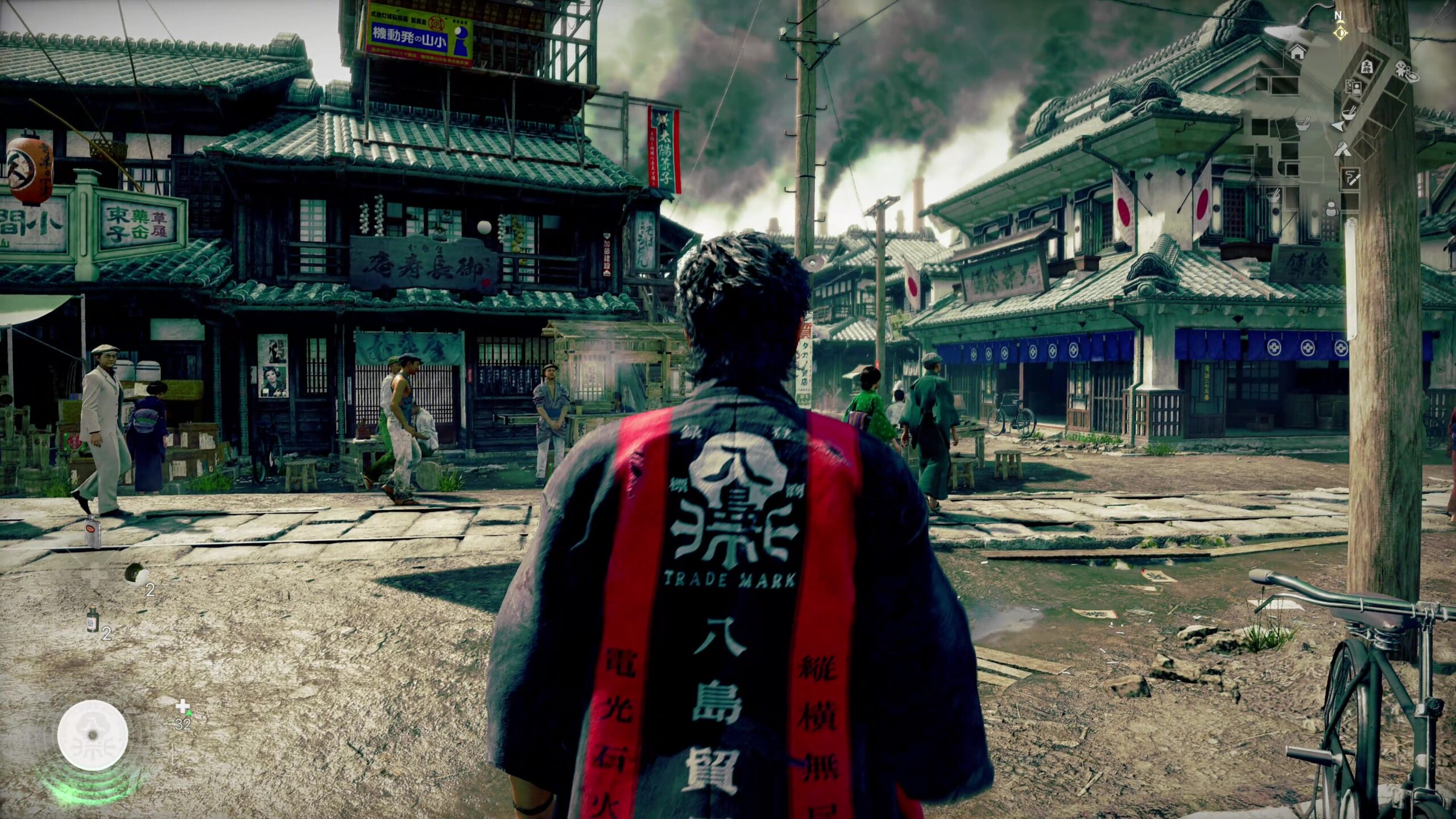
I’d be remiss not to talk about the game’s graphics. It keeps that realistic look RGG Studio is known for, but it feels tied to the eras it represents. Much of that comes down to the fantastic art direction, which does wonders for the setting and characters. Still, my demo rarely had many frame-rate issues. Though I did have some texture load-in and awkward physics with clothes and props, but nothing too out there.
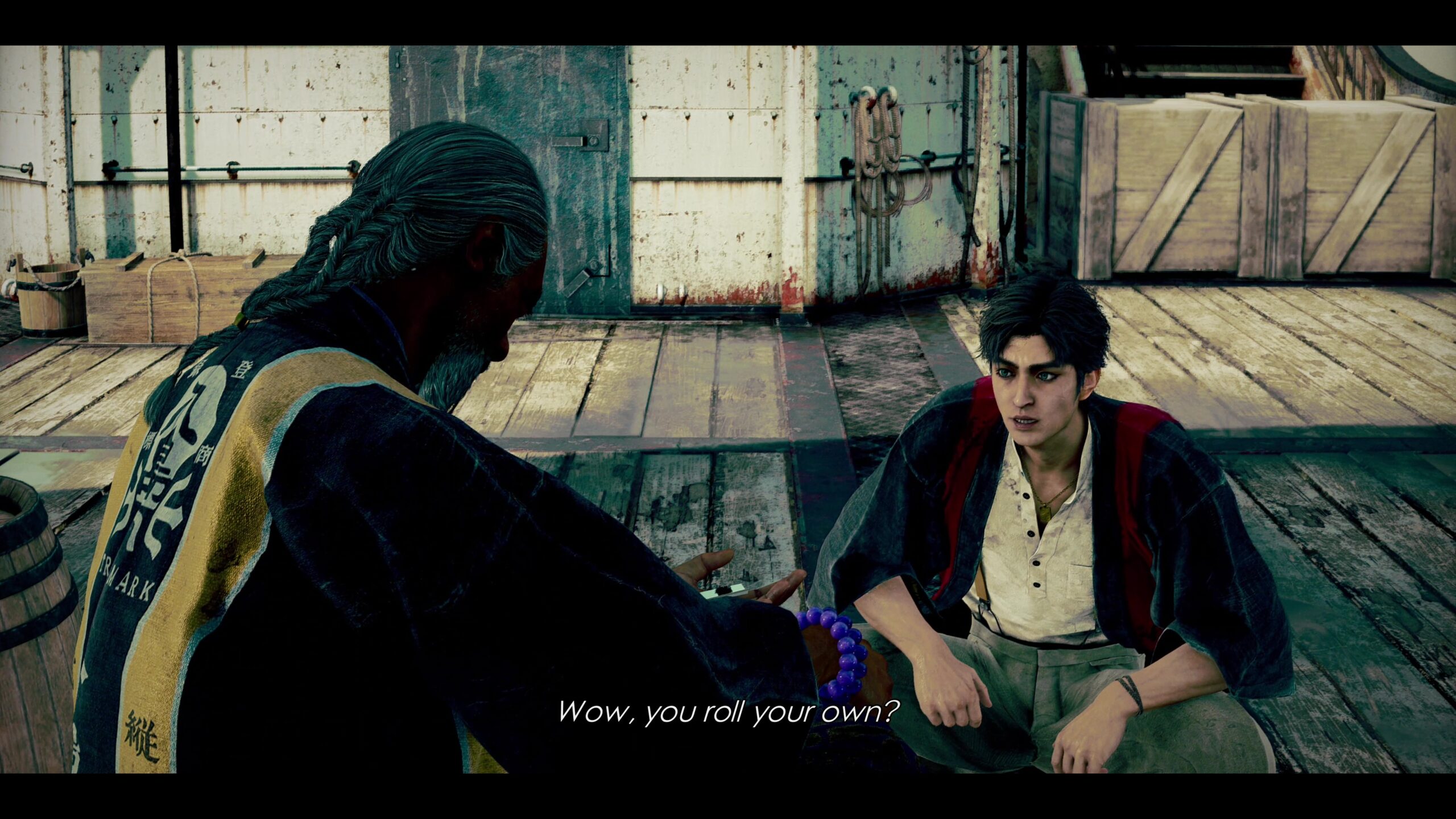
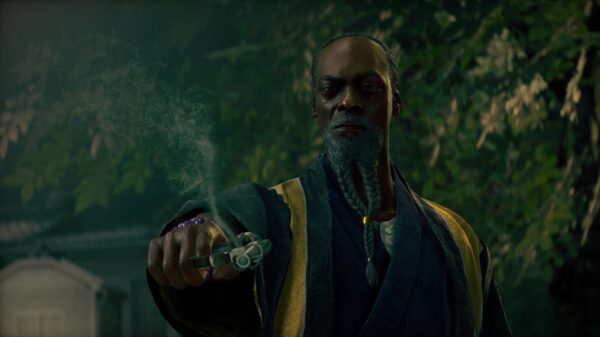
Fortunately, we did get to see the narrative, which was one of my most anticipated parts. Not all the eras were on display, but we saw part of Makoto Daito’s rise from stranger in a foreign land to a prominent figure in Japan’s growing cultural bloom. It’s early, but Stranger than Heaven may be RGG’s strongest yet. With a huge cast, including well-known singers like Snoop Dogg and Ado, you might think it’d be cheesy or too loud, but it surprisingly works. It doesn’t feel too shoehorned in, despite one element involving Snoop Dogg’s Orpheus. No spoilers here, but it takes things pretty seriously and, while it can be showy in presentation, it never forgets the plot it wants to tell: one of dreams and the lengths they’d go to make them happen.
Still, Makoto Daito is a really great character to follow. His innocent charm but fervent determination give him a ton of layers that I’m excited to peel back. As the game will cover his life, he is a protagonist that you want to see succeed and help when he falls. Much of that comes from Yu Shirota, whose portrayal of the Japanese-American dreamer is pitch-perfect.
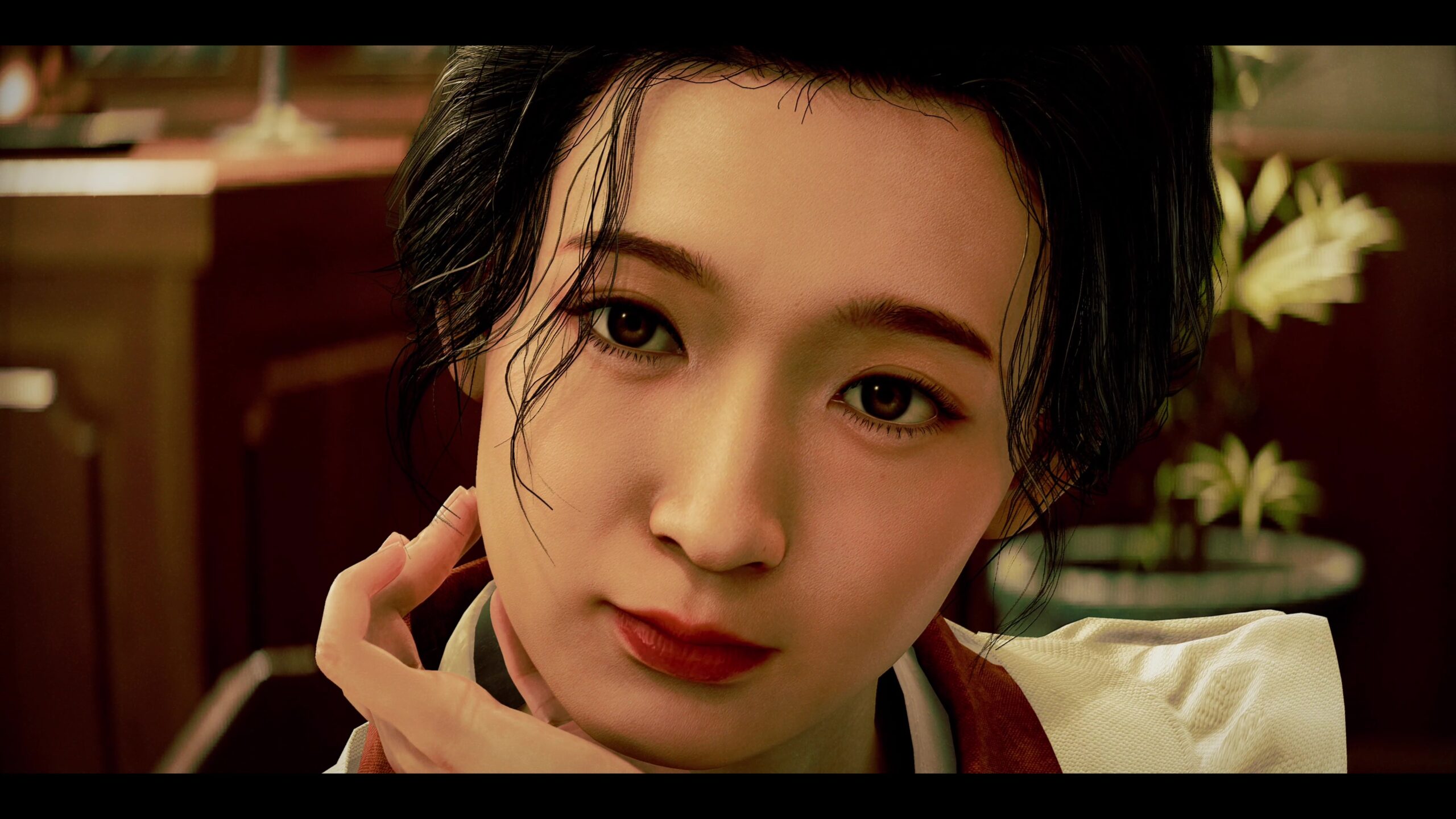
In the final segment, we finally saw how music plays a role in Stranger than Heaven. Specifically, the game’s showbiz side, since most of what we’ve seen was combat. It became clear that music is a crucial part of not only the story, but also the gameplay. Makoto, now much older, has a keen ear and a talent for certain sounds. He can pick up sounds like a baby crying, a phone ringing, or clapping, and use them to create new song renditions. Then you can customize the tone and sound to find what works best. After that, you can have a singer perform your rendition as you produce the show from behind, doing lighting cues and effects.
For a game already taking a risk with its combat, adding a full-fledged music feature is gutsy. That said, it is one that may just pay off. I had a blast testing out the genres, instruments, and putting on shows. While my time with it was short, it’s one of the things I’m most excited to try out in the final release. From what I saw via cutscenes and marketing, music means a lot to the story, and I’m glad players will get to take part in it and contribute.
Overall, Stranger than Heaven’s final demo proved RGG Studio has something really special in the works. Sure, it can be a bit campy and take a lot of risks. However, there’s heart in there, and it’s one I cannot wait to see more of. From a challenging yet engaging combat system, great art direction, and a thrilling story, 2027 may start off on a high note you should keep your ears open for.