













The Legend of Zelda: Ocarina of Time has surprised me in a lot of fantastic ways. I didn’t think the game needed another remake, but it’s clear Nintendo put so much effort into this that it’s become the best version of the seminal game. The QoL changes, visual and audio upgrades, and extra dialogue and lore have taken what was already a solid classic and made it an unmissable Switch 2 title.
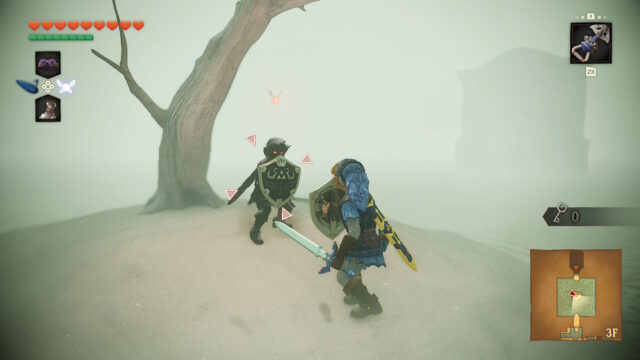
I actually didn’t play The Legend of Zelda: Ocarina of Time until I was 14. I never had an N64, so I had to wait until the Wii and, as a result, had few childhood memories of what many call one of the best games ever. I enjoyed it, as I did the 3DS remake shortly after, but that was about it. Now, having played the Nintendo Switch 2 remake that I admittedly suspected wasn’t entirely necessary, I’ve found it both more fun than ever and surprisingly touching.
The Legend of Zelda: Ocarina of Time on the Nintendo Switch 2 has a lot of small but brilliant changes, from removing most of the now-unnecessary loads between areas to letting Link jump and sprint. Though it took a bit to get used to having to press a button to jump, I found it a pleasant change that added a bit of platforming and made Link feel more mobile overall. Combat is pretty much the same as in the original, but it still works remarkably well, so I can respect Nintendo for not trying to fix what isn’t broken.
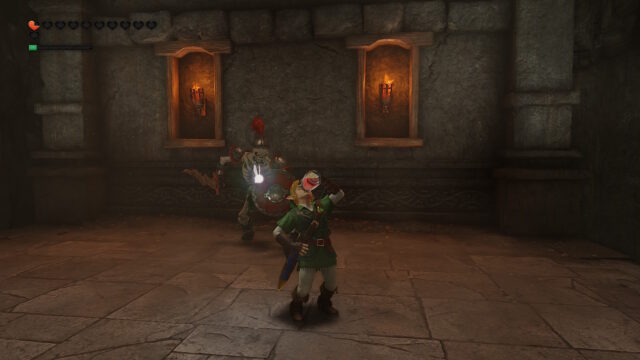
The quality-of-life changes extend to new items and changes to existing ones, too. You can carry more rupees early on, there’s a new item that makes it easier to find Gold Skulltulas as you play, and there’s a Tears of the Kingdom-esque quick-swap feature that makes switching between items easier than ever. Also, it’s a tiny feature, but being able to “play” the Ocarina by making noise into the system’s microphone is a great little addition. I love that these changes and additions are almost unnoticeable in most regards, but they manage to do a surprising amount of heavy lifting to make The Legend of Zelda: Ocarina of Time feel more timeless than it’s ever been.
Perhaps it’s the result of The Legend of Zelda: Ocarina of Time’s remake lore additions, or maybe it’s the benefit of age, but I found myself surprisingly emotionally invested in the fairly simple story. Time’s inevitable passage and how things change for better and for worse hits a lot harder when you’re 30 than when you were 13, and the addition of extra scenes and dialogue throughout the narrative further hammers home these emotional beats.
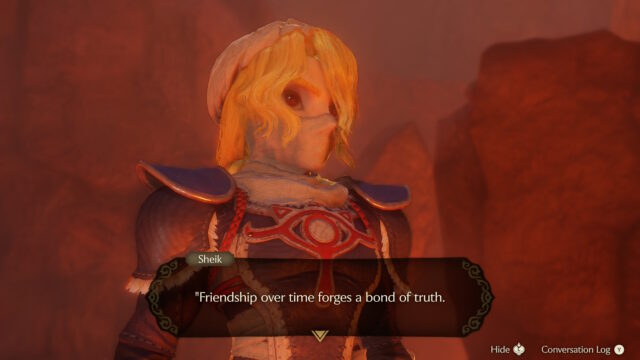
The story is also a lot more melancholy than I recall, which has been a pleasant surprise. I suppose the tone was always overshadowed for me by the far more blatantly gloomy follow-up, Majora’s Mask, but Ocarina of Time truly holds its own with its subtler sadness. So many characters suffer rough fates or unfortunate circumstances in both the main plot and the side quests, creating an underlying feeling of dour tidings that truly resonated with me in a way it didn’t in previous versions.
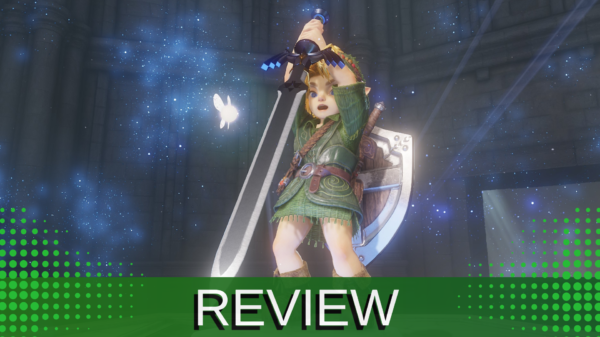
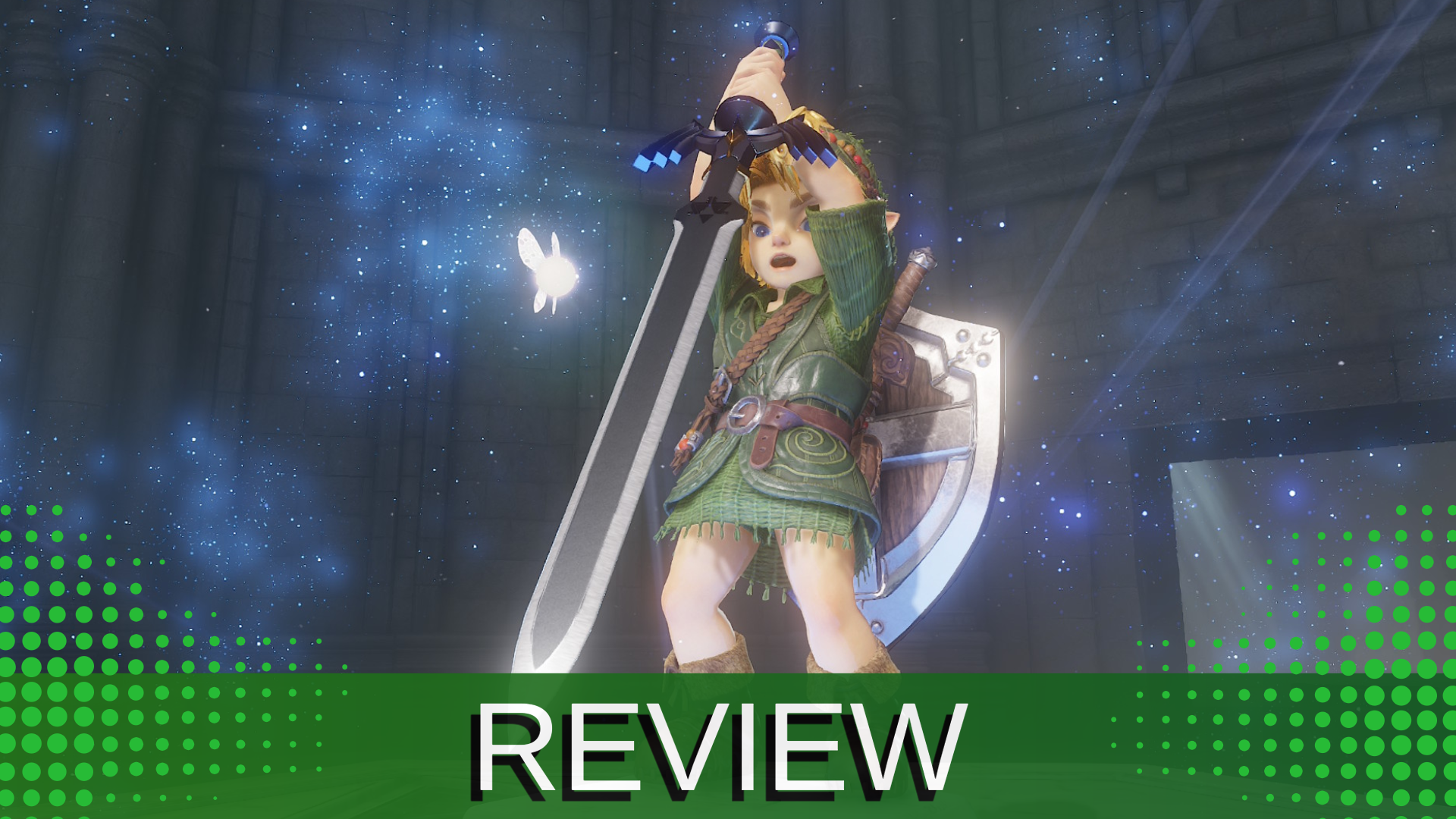
The Legend of Zelda: Ocarina of Time looks like a puppet show come to life.
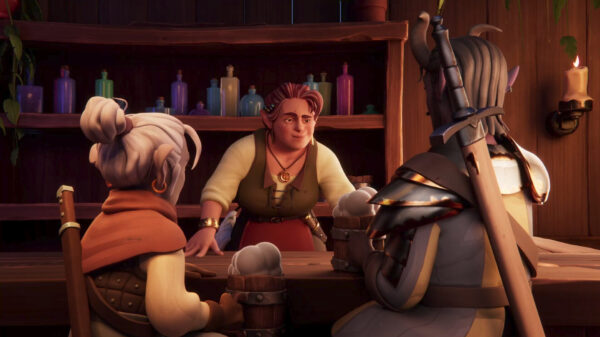
When this remake was first revealed, I was pretty skeptical about the visual style. The trailers had me thinking it would be like a “Mario in Unreal Engine” video you’d see on YouTube a decade ago, but I’m glad to have been proven wrong. While playing the game, I saw the character models as much more puppet-like, resembling toys or marionettes more than anything else. It’s proven to be incredibly charming, and though I think a couple of the costumes are perhaps a little overdesigned, I have no real faults with any of the gorgeous visuals.
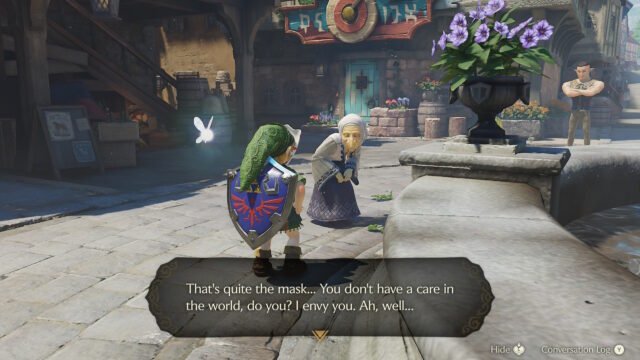
And the music? Good lord. It practically goes without saying that The Legend of Zelda: Ocarina of Time has an all-timer soundtrack, and hearing these new arrangements and versions with stunning orchestras and powerful choirs adds a new dimension to every track. The voice acting is a welcome addition as well, adding further character to the iconic cast of players the game is already so well known for.
Excellent
The Final Word
The Legend of Zelda: Ocarina of Time has proven, once again, to be a stone-cold classic that makes buying the console it was released on worth it. This is the best version of Ocarina of Time, as the beautiful graphics, sly gameplay additions, and small new pieces of lore build on a timeless foundation to create something that expands on the familiar without losing what made the original special. If you’ve somehow never played The Legend of Zelda: Ocarina of Time, you can’t miss this new, top-notch remake.