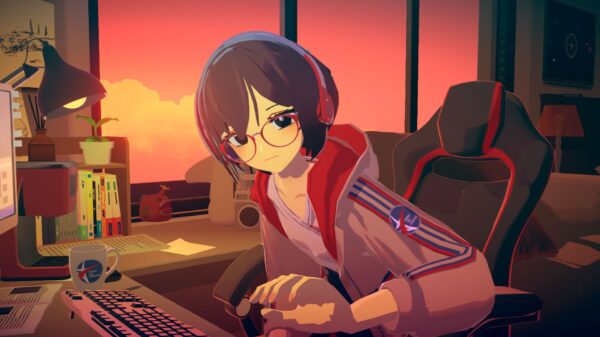













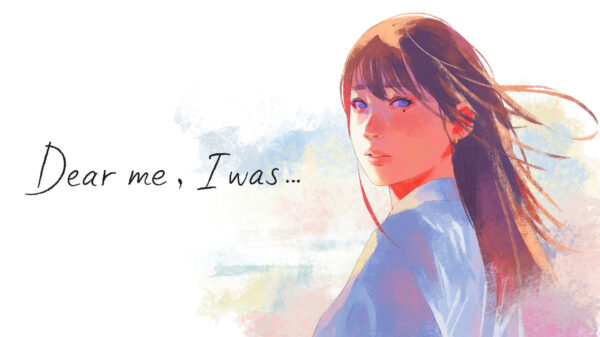

















Chill With You: A Lo-Fi Story takes a pretty simple idea, doing your work with a virtual companion, and turns it into something a lot more thoughtful than that pitch might suggest.
In speaking with Nestopi’s Kurita, Fujiwara, and Shiozaki, it became clear that the team wasn’t trying to make Satone into an exaggerated anime archetype or force a romance angle onto the experience. Instead, they focused on building someone who feels grounded, familiar, and easy to spend time with, while also figuring out how to make visual novel storytelling and productivity mechanics work without either one getting in the way.
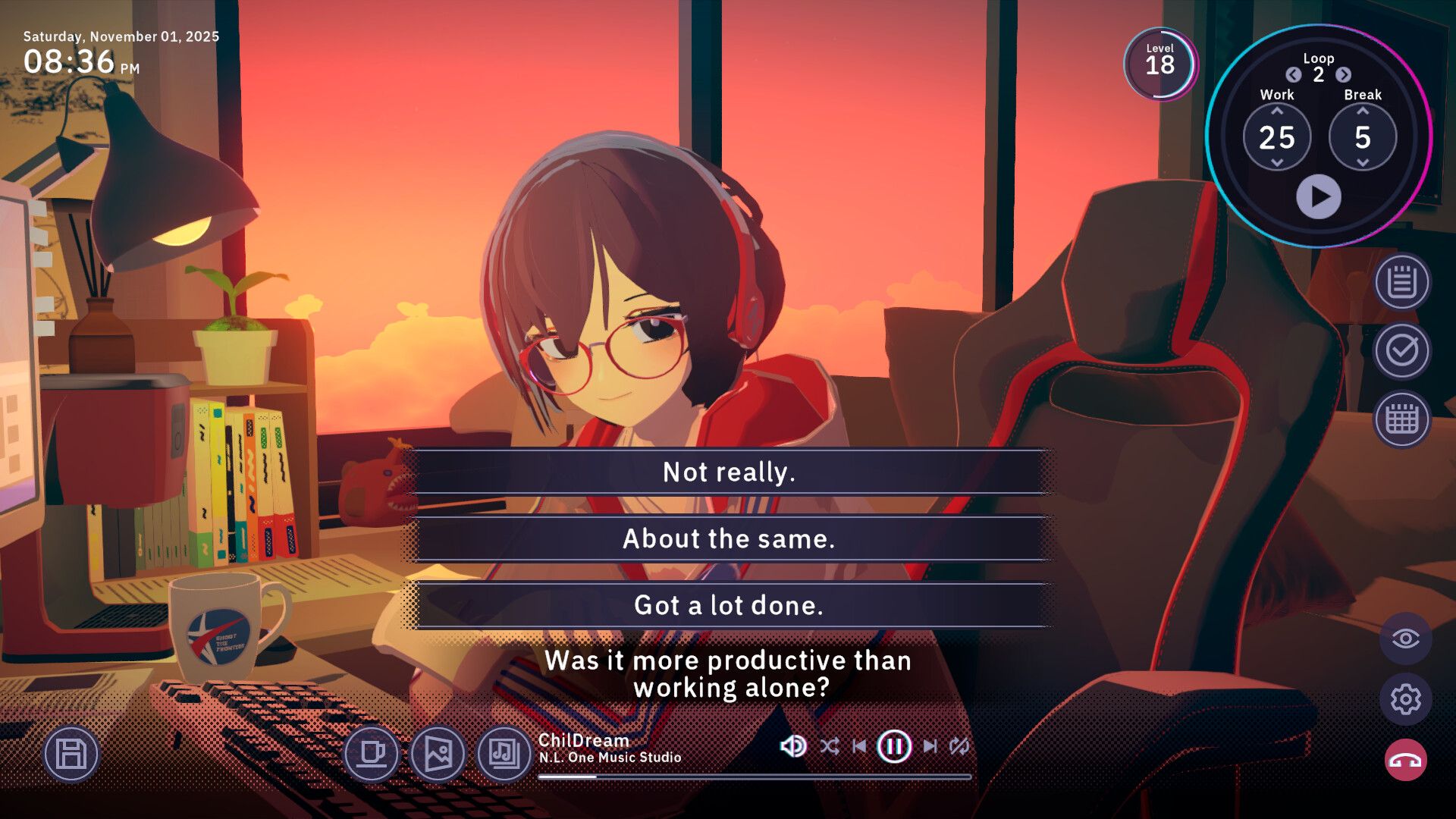
Can you tell us about how you developed the character Satone?
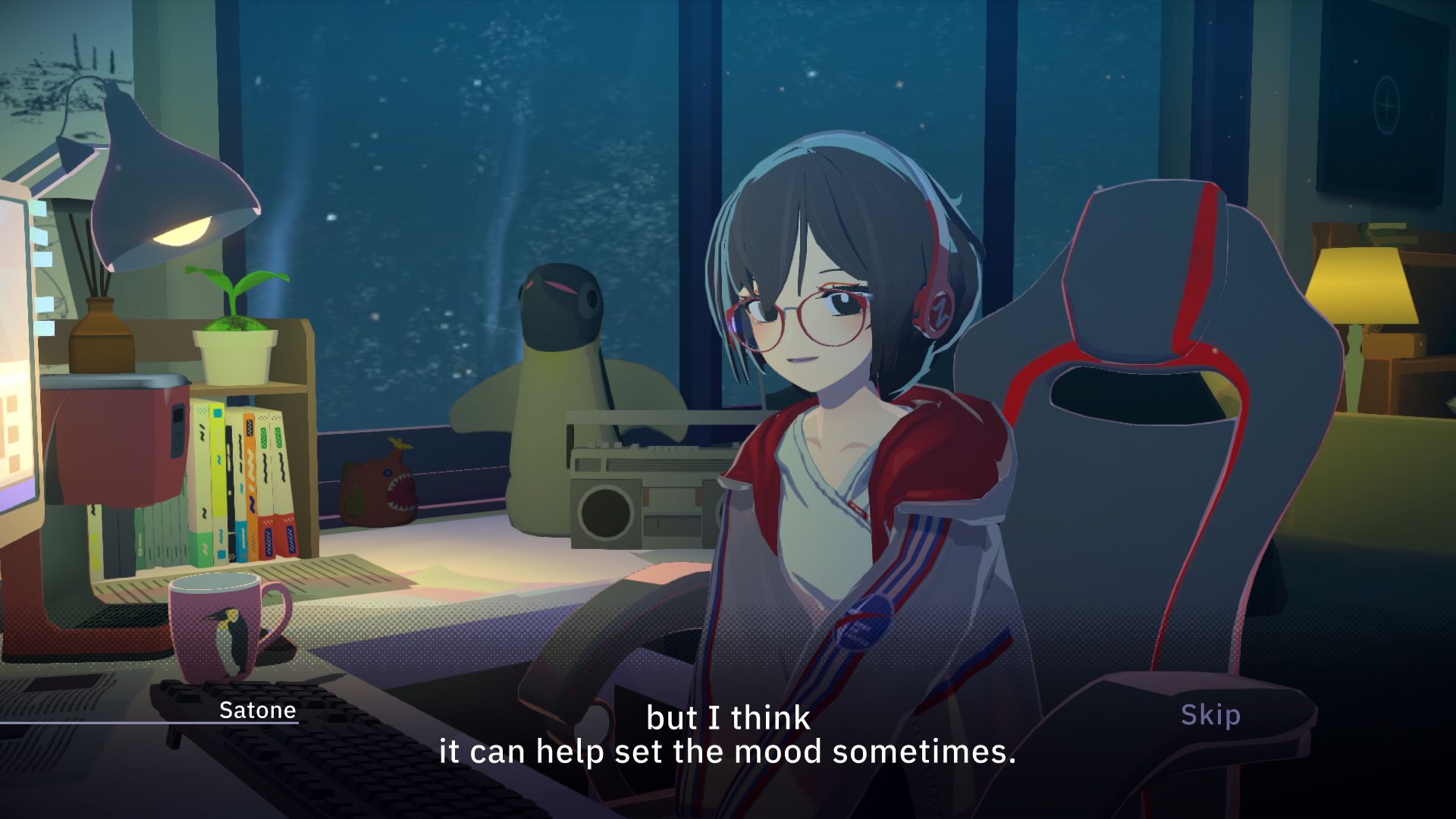
Development Team: We created her based on the constraints of the game experience: she needed to be a realistic character without anime-like exaggeration, someone who wouldn’t get in the way of your work, and someone who works alongside the player.
From the beginning, we also had the idea that a person with similar sensibilities to your own—someone you can relate to—would be the kind of person you’d want to work with. Therefore, we consciously designed her to be an “everyday person you could actually meet” that players can empathize with.
We also paid close attention to expressing Satone’s “realism.” In other games in the same genre, keyboard typing or writing sounds are triggered by the player. However, you can’t do that in this game. What kind of work Satone does—whether typing, writing, or reading—is entirely up to her; the player cannot choose. By separating the sounds the player can control from the sounds only Satone makes, we brought out her “sense of presence.”
Additionally, we adjusted her actions and dialogue so that the romantic elements wouldn’t become too strong, based on the thought that if it felt too much like a romance, players would get nervous and it would hinder their work.
Are there any particular influences that inspired the character design or writing direction?
Development Team: There wasn’t any specific work that inspired us. Instead, she was created based on the shared Japanese concept of “what a literary girl looks like,” combined with the typical traits of a modern college student.
What has been the most challenging in developing a novel adventure and a productivity game simultaneously?
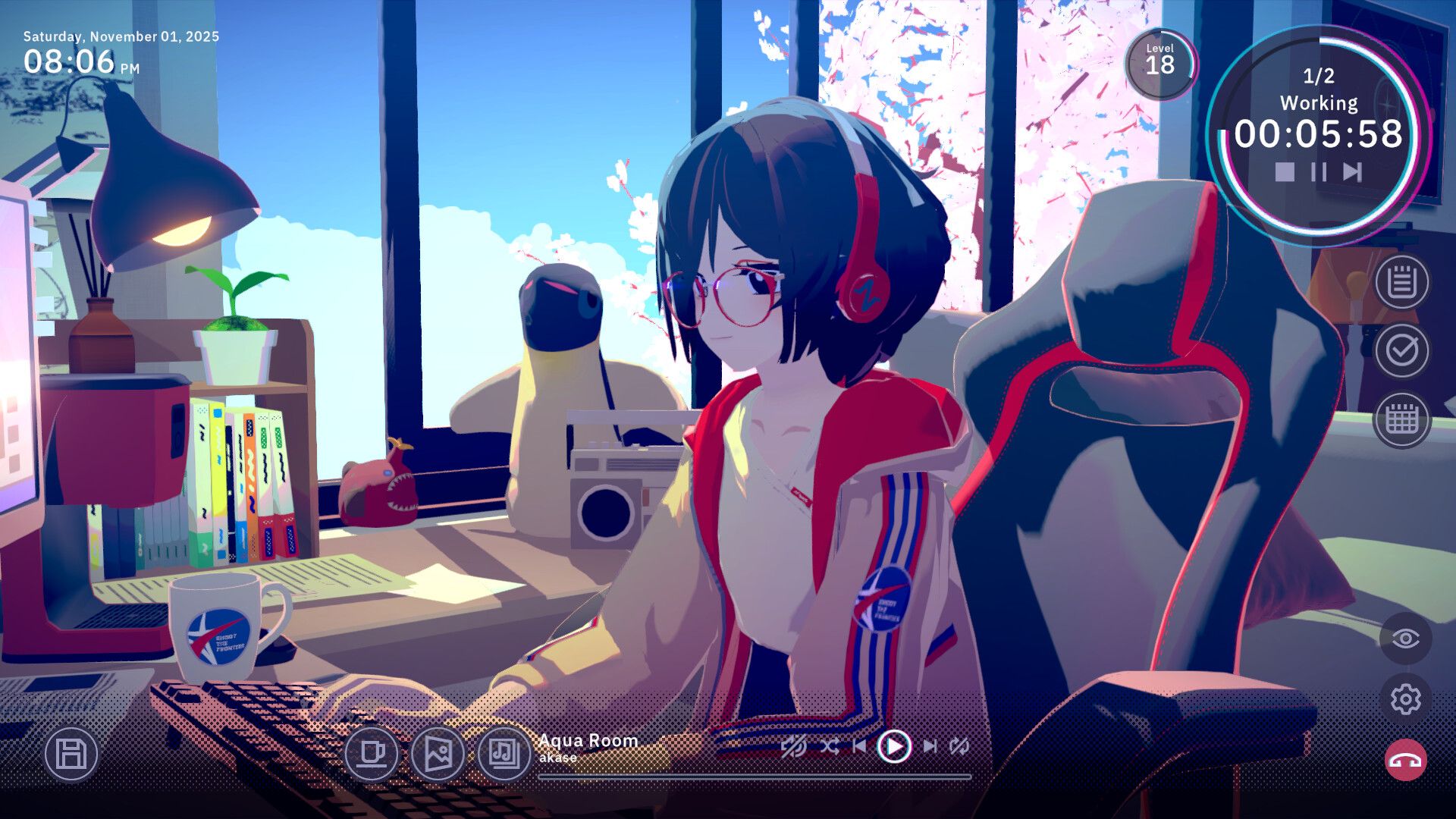
Development Team: It was difficult to make the Visual Novel(VN) elements and the productivity elements blend well together as a game.
Even as the story progresses, if a certain amount of work time hasn’t passed since the last narrative beat, the time between story events feels too short and breaks immersion. However, if it’s too long, players won’t feel a sense of progress. Finding that balance was incredibly challenging.
Furthermore, if the narrative takes too much of the forefront, the VN part gets in the way of working. Conversely, if the impact of the VN part is too weak, the story won’t motivate players to progress in the game and get their work done. We went through a lot of trial and error to strike that balance.
We also struggled with whether or not to break the established conventions of existing genres. In other games in this genre, there are multiple ways to earn experience points, such as completing To-Dos. However, since this game is a story about working, we limited it strictly to using the Pomodoro timer. We agonized over this and ultimately made it a director’s decision three weeks before release, but I think it turned out for the best.
What has been the most rewarding moment for you?
Development Team: It varies quite a bit depending on the team member’s role.
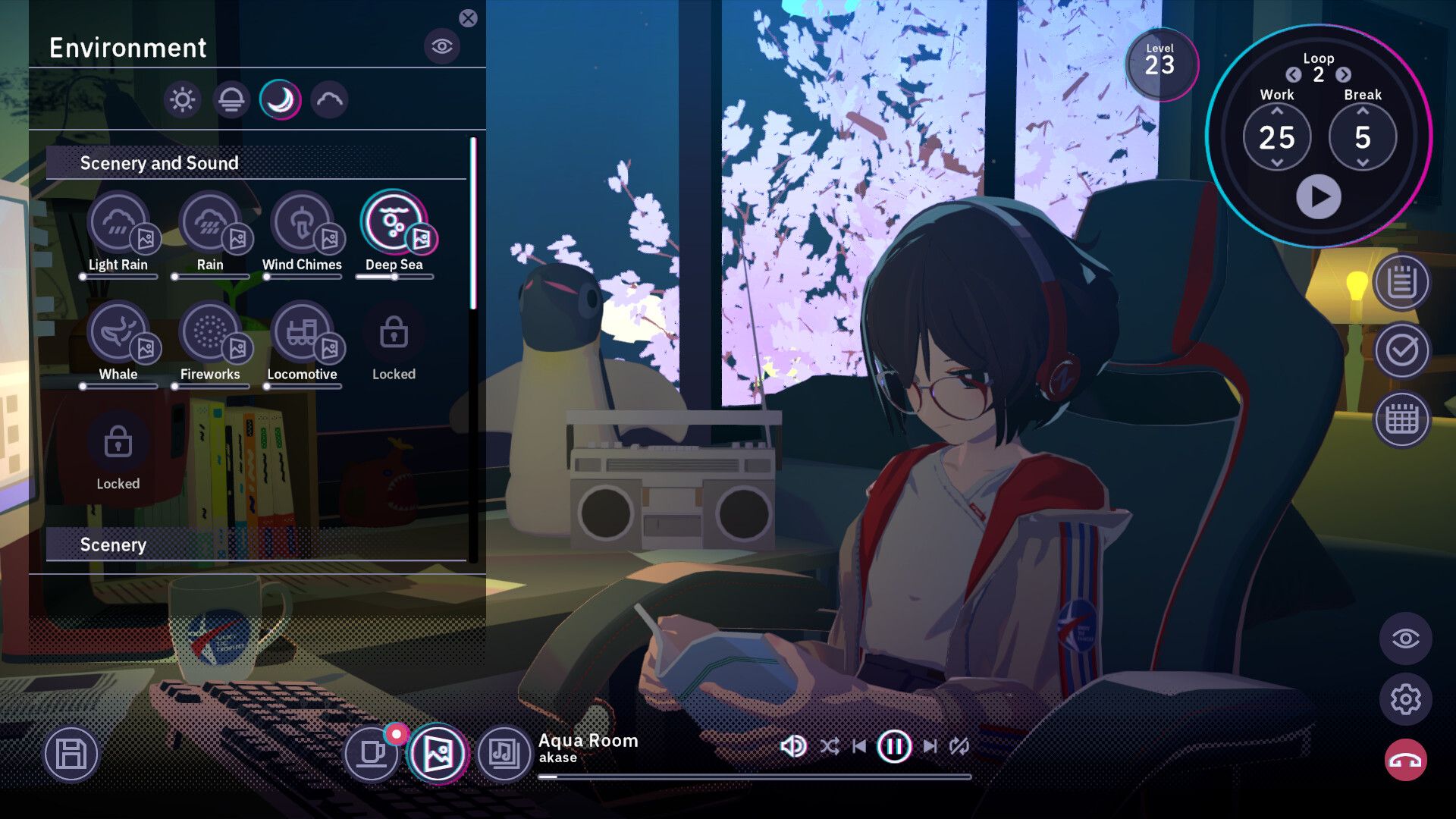
The programmers answered that it was when they saw many people on Steam reviews and social media saying the game helped them “focus,” or when they saw players working hard alongside Satone as if on a work call.
Our artists said, “It was when I saw the fan art. I felt so relieved, thinking, Ah, the character I created has been accepted by the world.“.
How has the community feedback been from your perspective?
Development Team: We never expected Satone to be loved by everyone this much.
For better or worse, we designed her as a character with a weak personality—an elemental component of the game itself—so we thought it would be natural if players didn’t feel a strong attachment to Satone alone after playing.
However, after release, an incredible number of players provided highly passionate feedback about the game. Everyone’s love for Satone, in particular, is amazing…!! Whether it’s getting excited over seeing a new side of her, empathizing after learning about her struggles, or simply spending time together, players have grown to like Satone more and more, and we are truly happy about that.
Oh, and we were also surprised that people even enjoyed the game’s bugs as part of their experience with Satone. Actually, there was a bug where if you tried to disconnect, the game would never close after Satone said goodbye. Normally, a game failing to close is a critical bug, but some players were delighted, interpreting it as, “Satone wants to keep working with me!” It became a massive topic on social media. It even made the news in Japan and China.
https://www.gamespark.jp/article/2026/03/19/164116.html
Anyway, receiving so many reactions every day really pushes us forward and makes us feel like, “We have to keep doing our best!”
Are there any specific community requests you are taking to help inform future updates?
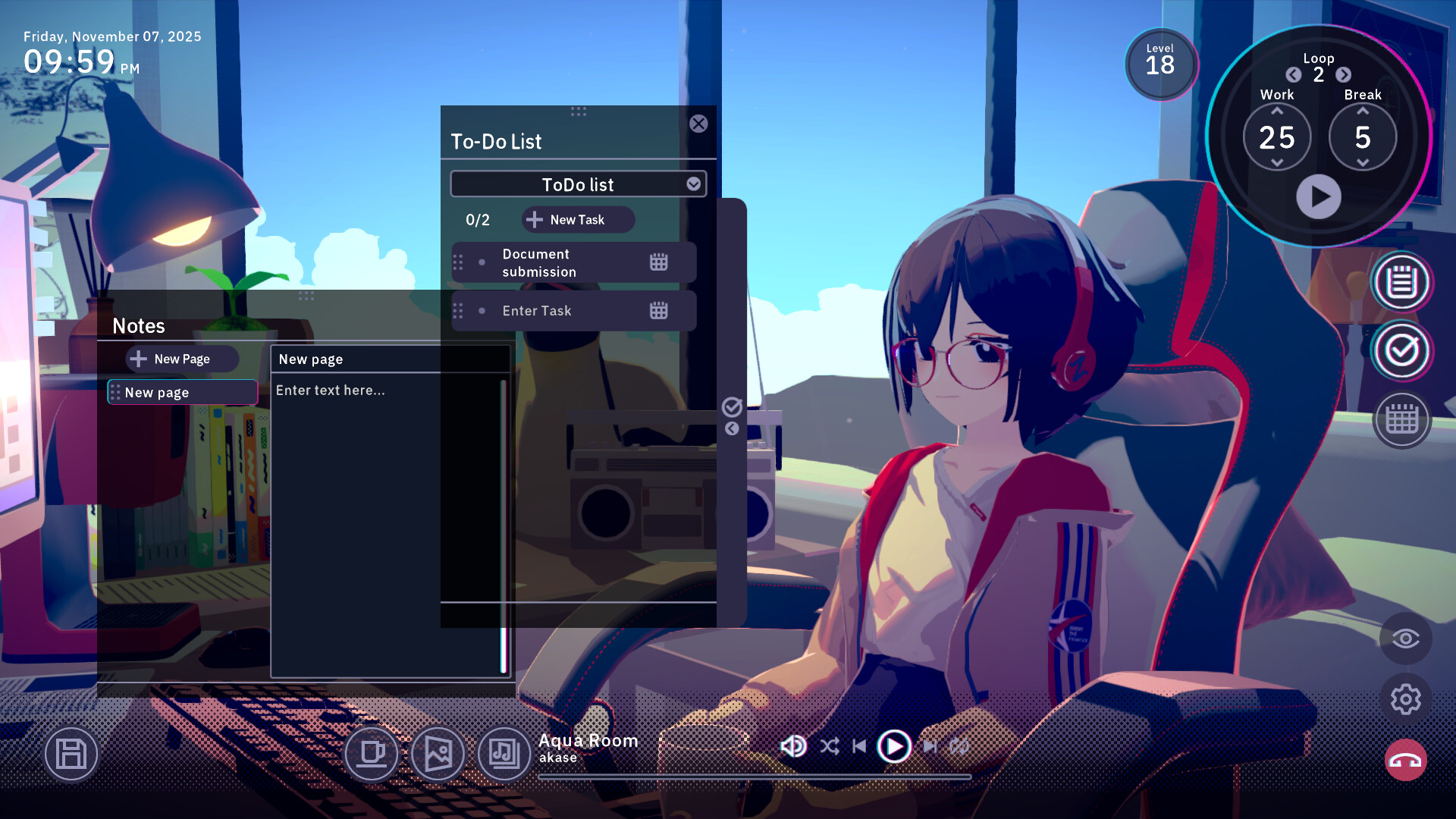
Development Team: The system-related features people have been asking for, like adding a long break for the Pomodoro timer and a stopwatch, as well as plans to add new outfits for Satone, are the community requests we’ve most recently incorporated. That’s about all I can say for now.
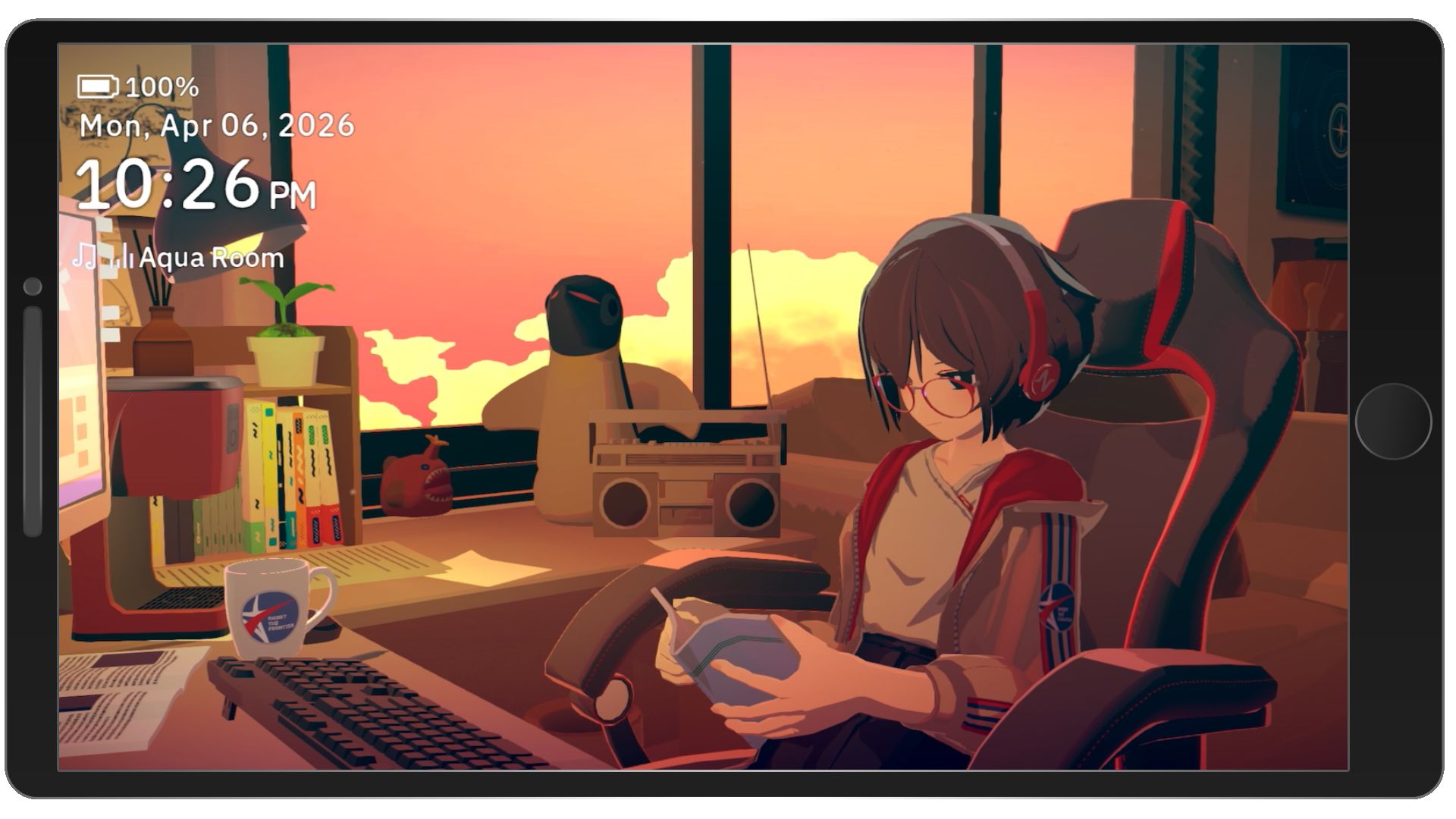
You recently announced a smartphone version of Chill with You: Lo-Fi Story. What led to the decision to bring this experience to mobile devices?
Development Team: Even during development, the team talked about how “it would be nice if we could make a mobile version,” but that was just speaking ideally; when we first launched the PC version, we didn’t actually think we could do it.
However, it was loved by everyone far more than we anticipated, and we received many requests from people saying, “I want to play on mobile” or “I want to work with Satone outside.” That led to our decision to expand to mobile devices.
Additionally, releasing a smartphone version opens up many more ways to use the game. You’ll be able to enjoy doing a lot of things with Satone besides desk work, like stretching, cooking, or taking a walk. We believe bringing it to smartphones will simply make the game more interesting and a closer part of your daily life.
Is there anything else you would like to discuss regarding Chill with You: Lo-Fi Story to our audience?
Development Team: We are still going to continue updating Chill with You. As I mentioned earlier, we always read through community requests and use them as reference for development. While there are things we can and cannot do, we would be thrilled if you could write your requests in the Steam Community threads if you have any good ideas.
Let’s get some work done together!