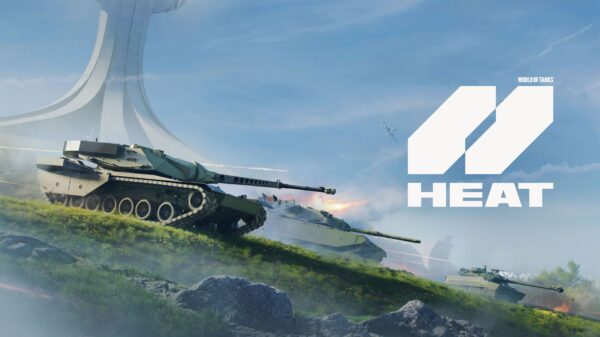






































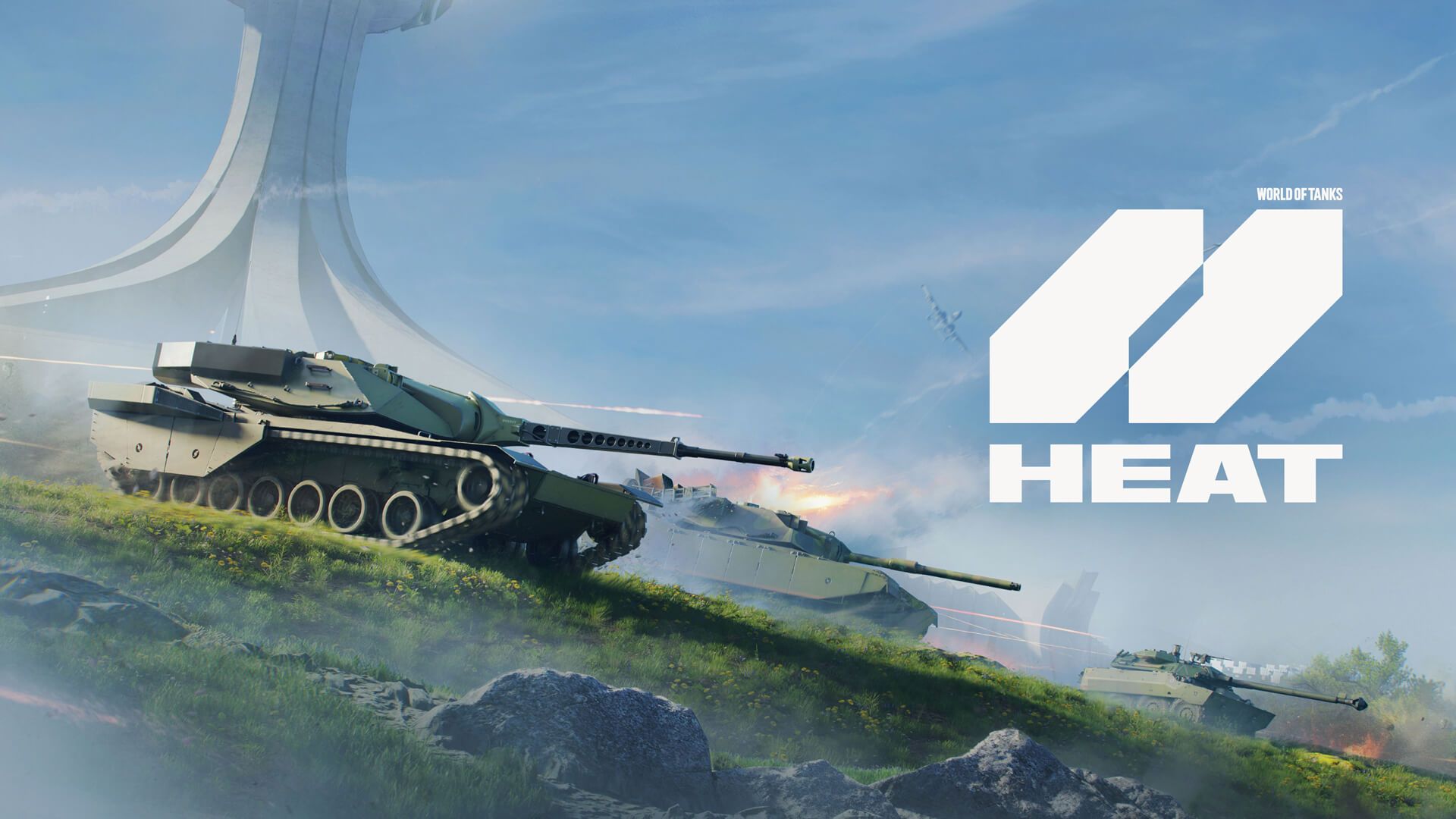

World of Tanks: Heat directly changes the series’ structure, moving it from a slower tank simulation to a faster, role-based multiplayer game built around agents, abilities, and constant engagement.
Set in an alternate post–World War II era, Heat centers on 10v10 matches in which tanks and agents operate as a single unit. The focus shifts from careful positioning and long waits to steady pressure, objective play, and team coordination.
A shift away from traditional World of Tanks
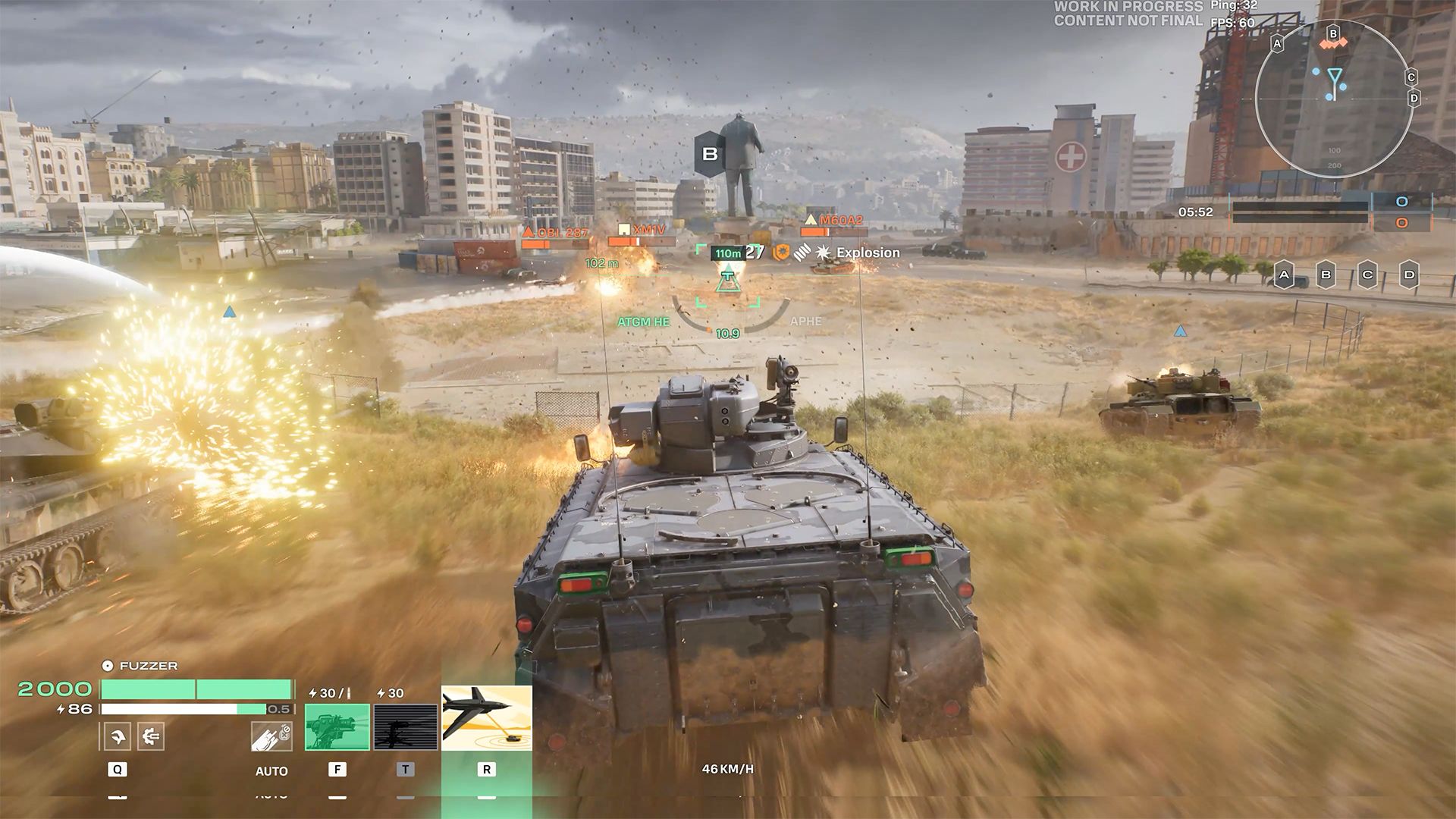
Heat is positioned as a standalone experience, and it shows in its handling of combat. The design leans into confrontation instead of patience. The older “stalk and shoot” approach gives way to direct engagements and repeated pushes around objectives.
Respawns are a key part of that change as matches no longer slow down after early eliminations. Players return to the field and continue contributing, keeping both teams active and reducing downtime.
Faster pacing with constant pressure
The overall pace is higher than in other World of Tanks games, with matches built to keep players moving, contesting, and reacting.
Objectives drive that flow, as instead of waiting for openings, you are pushed toward zones, rotations, and team fights. The structure feels closer to a class-based multiplayer shooter, where staying engaged matters more than holding a single position for long stretches.
Agents define how you play
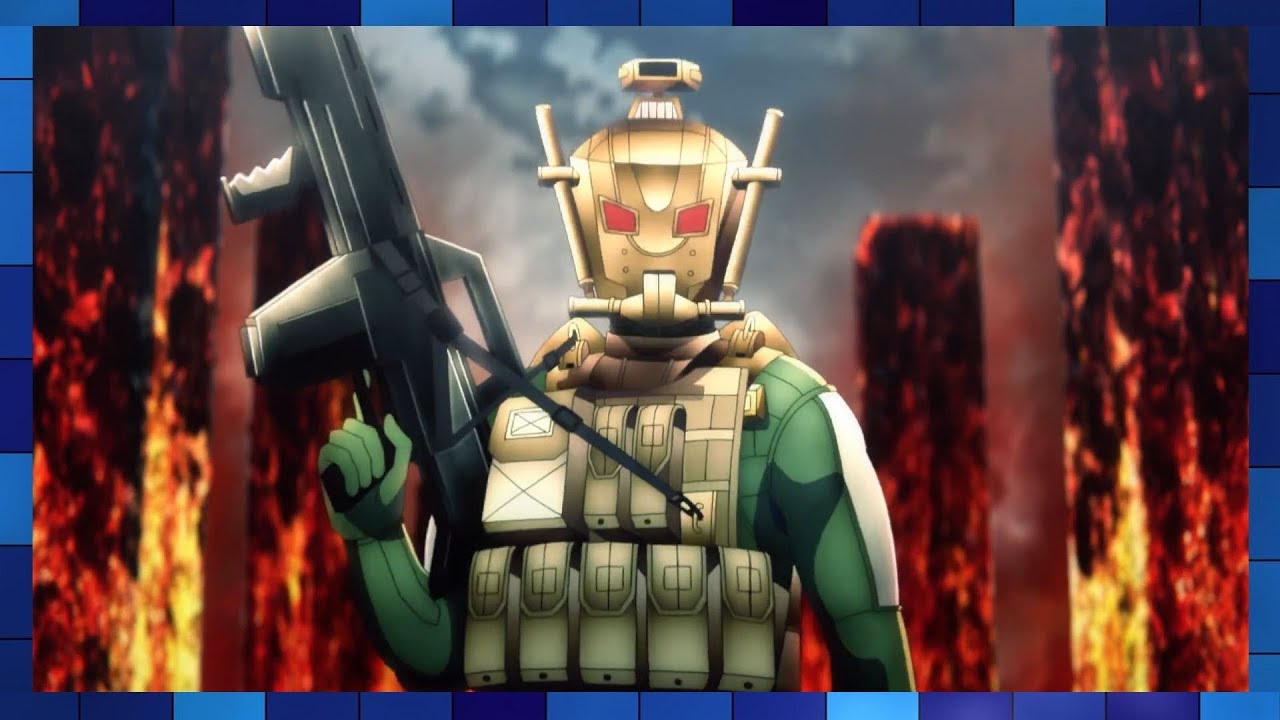
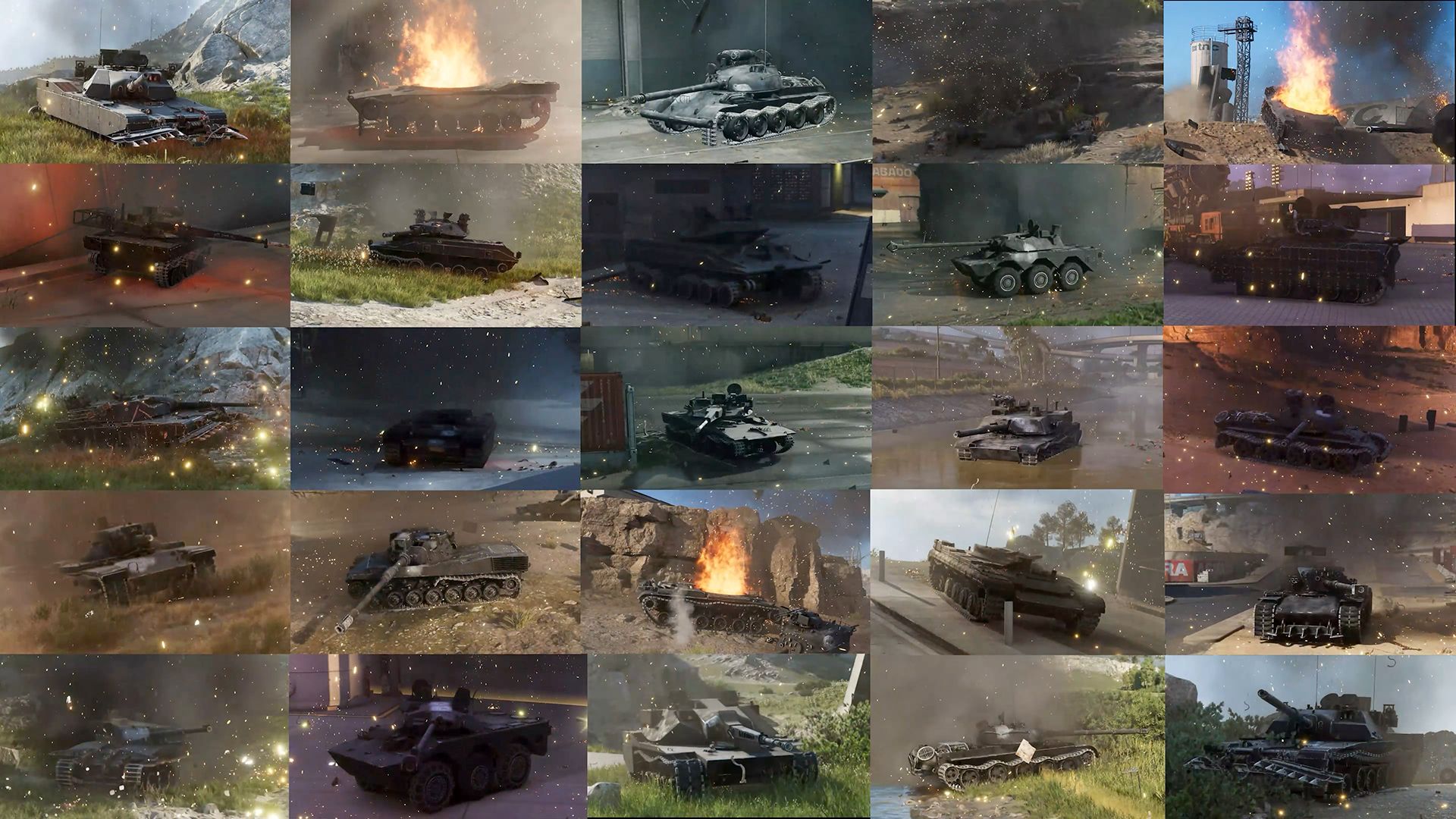
The main system in World of Tanks: Heat is the agent, and each agent determines your role, while tanks serve as tools that support it.
There are three main roles. Defenders hold the frontline and absorb damage. Assault agents focus on speed and pressure. Marksman agents control distance and pick off targets. This setup places more weight on team composition than past entries.
Agents can command up to two customizable tanks, which evolve based on strategy and playstyle. The game frames vehicles as extensions of the agent, which changes how loadouts are built and how teams coordinate.
Maps are built for flexibility
Maps in Heat are designed to support different approaches, drawing on a range of real-world inspirations and varied biomes, but the main focus is on how they play.
Each map supports flanking routes, long-range sightlines, and objective control. This flexibility allows different roles and strategies to coexist within the same space, and the design avoids forcing a single approach, instead supporting multiple ways to engage.
Four modes shape the experience
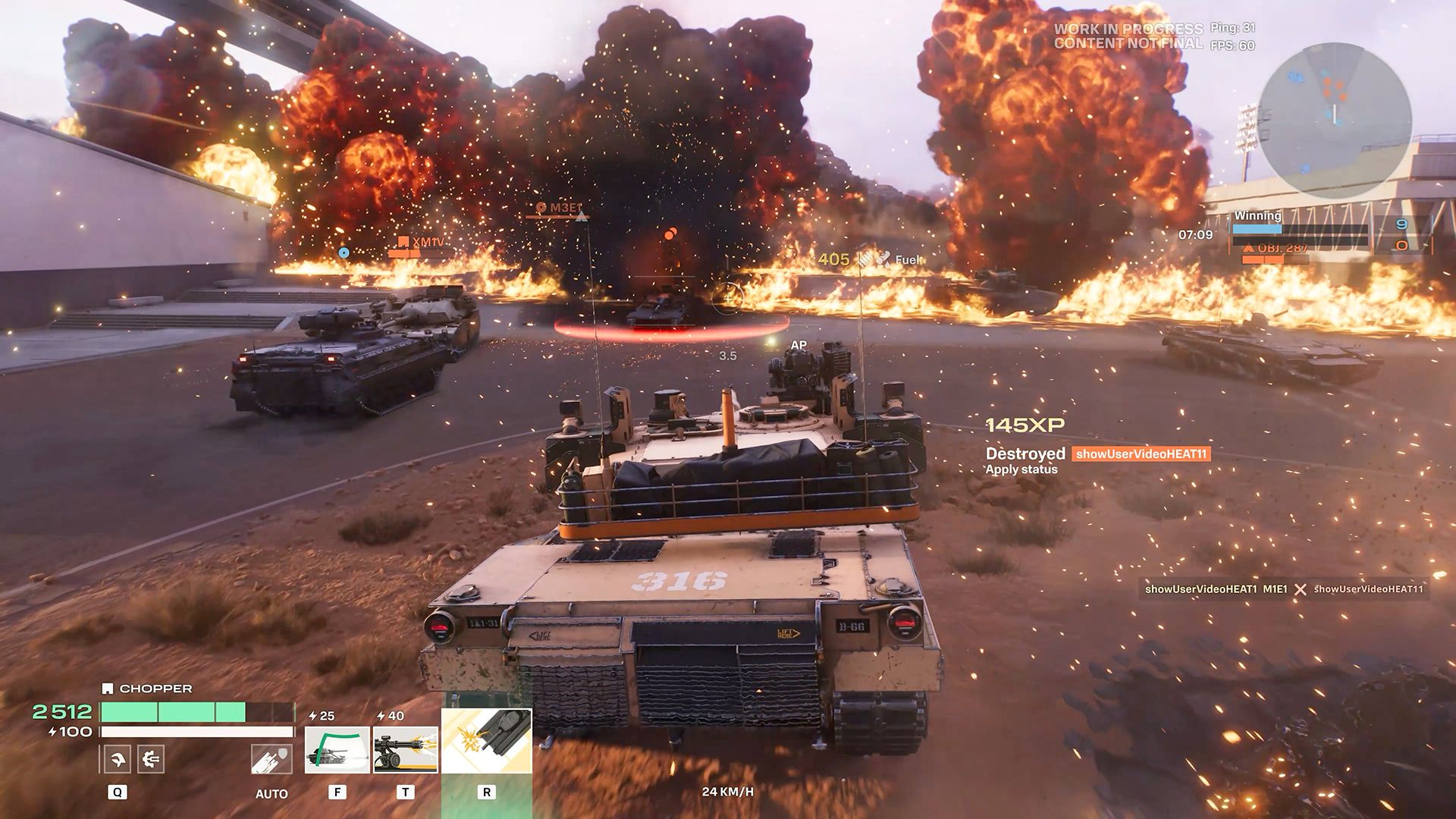
Heat launches with four modes that reinforce its faster structure.
Conquest is the largest at 10v10 and centers on capturing and holding multiple zones. Hardpoint and Control reduce team size to 5v5 and tighten the focus around rotating or single objectives. Kill Confirmed shifts attention toward eliminations and token collection.
Across all modes, the emphasis stays the same as you are pushed toward action and objective play rather than passive positioning.
Ultimate abilities drive momentum
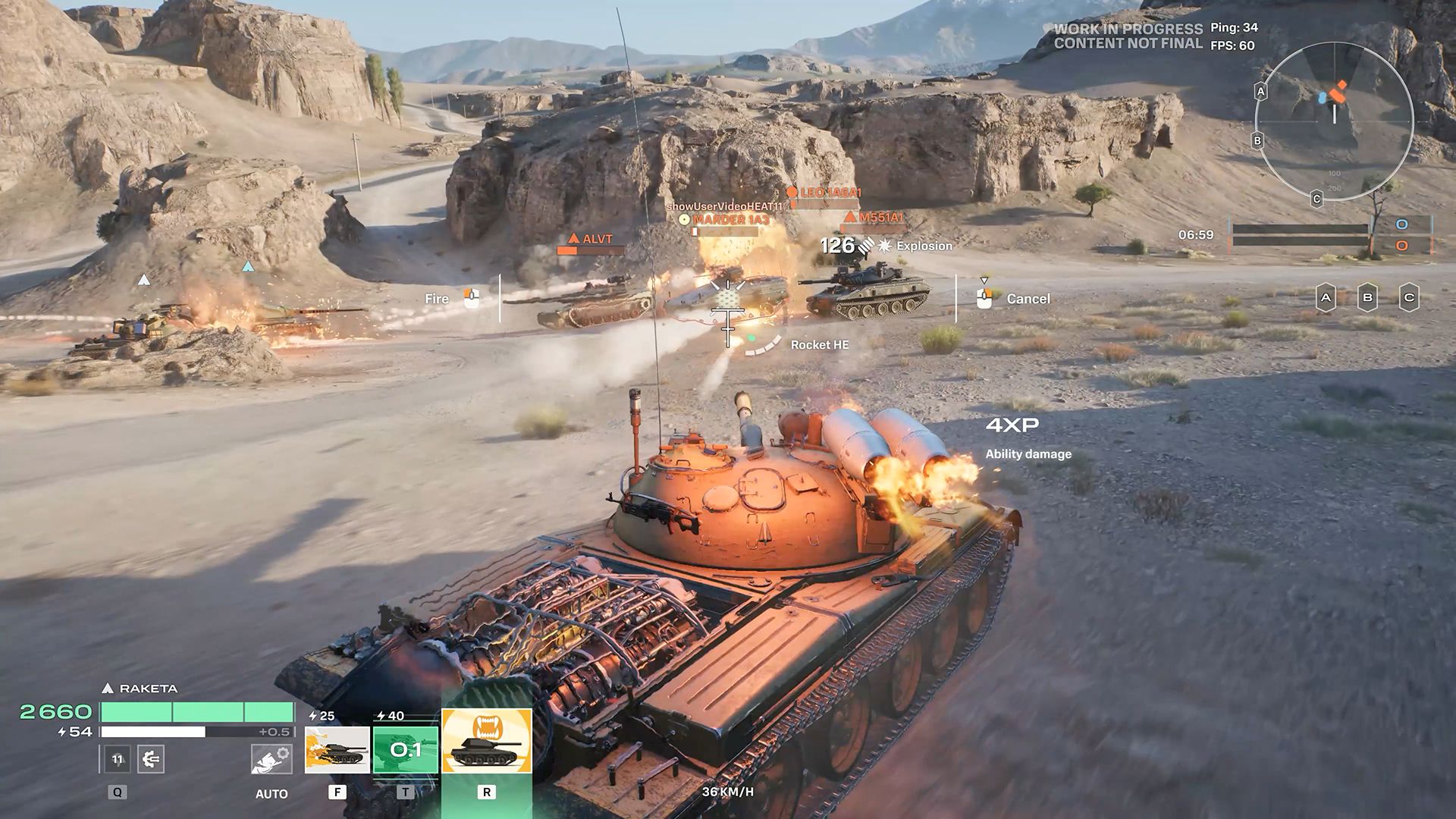
Ultimate abilities play a major role in how matches unfold and are high-impact tools designed to change the outcome of fights.
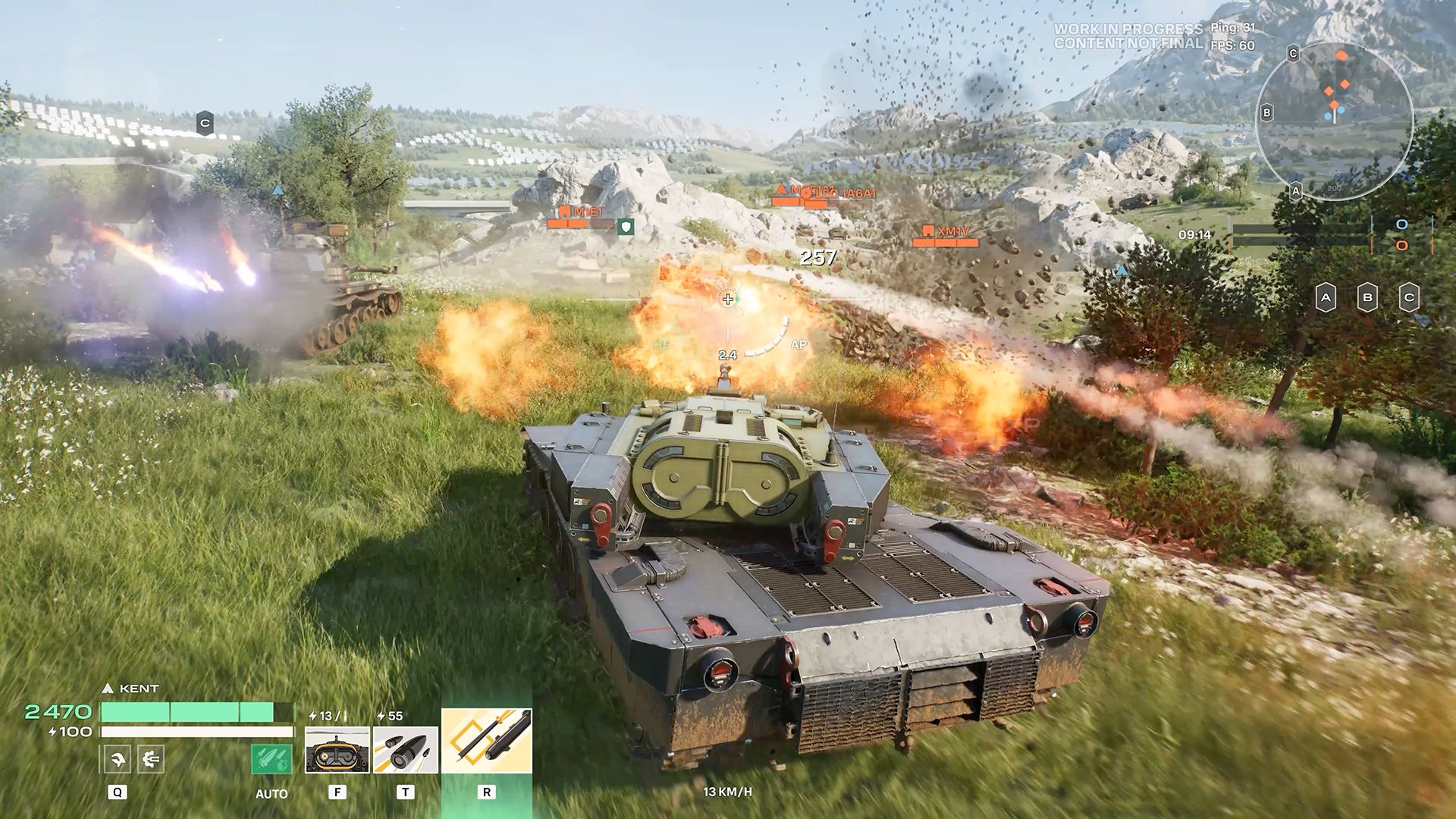
Some abilities focus on large-area damage, while others target specific enemies or zones. Rocket barrages, guided-missile chains, and artillery strikes can clear space or break up defensive setups. Timing becomes important, since a well-used ultimate can quickly shift control of an objective.
Built for cross-platform play
World of Tanks: Heat supports cross-platform play across PC, Steam Deck, Xbox Series X|S, PlayStation 5, and GeForce Now. Cross-progression allows players to move between platforms without losing progress.
The game runs on a new proprietary engine built to handle large-scale multiplayer combat and consistent performance across different hardware. It also supports dynamic environments and scalable systems designed for ongoing updates.
The takeaway
World of Tanks: Heat takes a different approach to tank combat and keeps the core idea of vehicle-based warfare, but restructures how matches play out.
Faster pacing, defined roles, respawns, and ability-driven systems all point to a game built around constant engagement. That shift might not appeal to everyone, especially players who prefer the slower style of earlier entries. But for those seeking a more active, team-focused experience, Heat sets a clear direction for the series.