




























































Shinonome Abyss: The Maiden Exorcist is out now on Steam and Nintendo Switch, with Kadokawa Game Linkage and ABC Animation releasing their new strategic roguelike horror game on March 26, 2026.
The game puts players in the role of Yono, a maiden exorcist searching for her missing brother as she explores haunted mansions filled with mononoke. On the surface, that sounds like another horror roguelike setup, but Shinonome Abyss: The Maiden Exorcist has a stronger angle than most thanks to its focus on sound-based strategy and a mix of story, survival, and traditional roguelike modes.
A horror roguelike built around sound
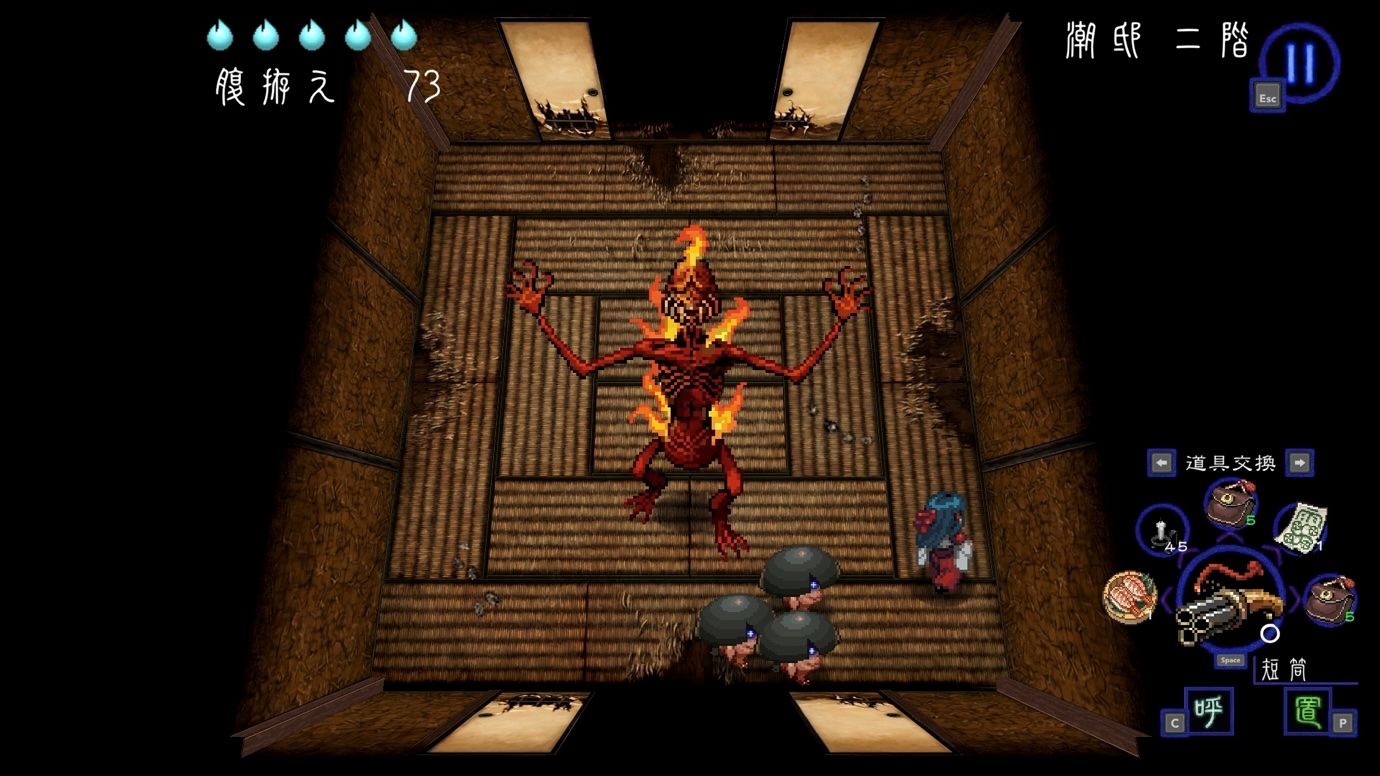
The main hook in Shinonome Abyss: The Maiden Exorcist is how much it leans on sound. Players can identify the kind of mononoke waiting in the next room by listening carefully, then use Yono’s voice to lure enemies into traps or avoid direct fights altogether.
That idea gives the game a more methodical feel than a standard action-heavy roguelike. Kadokawa says players can still rely on action game skills in some situations, but success comes more from observation and planning. That should make Shinonome Abyss: The Maiden Exorcist more approachable for players who do not want a pure reflex test, while still leaving room for tense encounters.
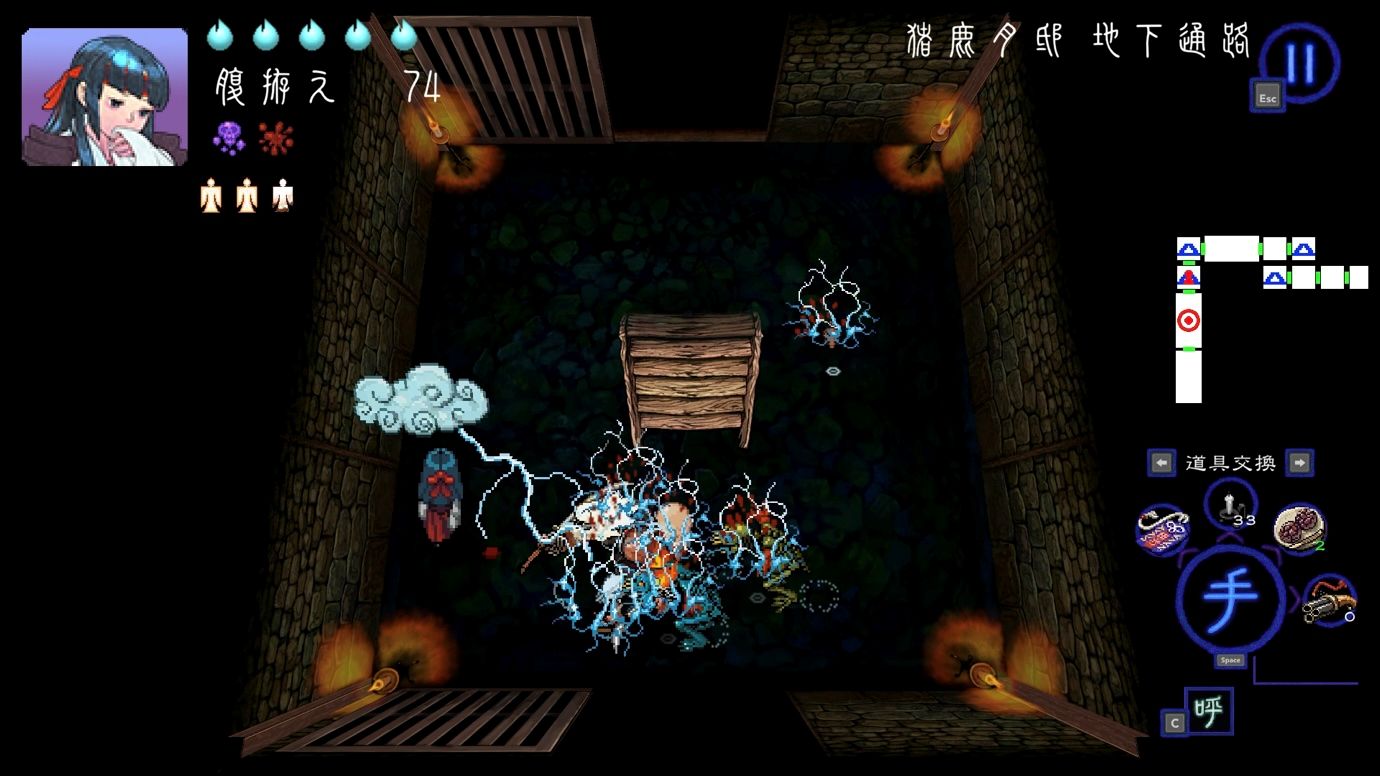
The environmental side sounds promising, too. Mononoke can be defeated with Yono’s attacks, but players can also use traps like punji pits or hearths, and even chain effects through rooms. One example given is using the Raijin Talisman in a flooded room to send lightning through the water and hit every enemy there. That kind of systems-driven interaction could make each run more interesting than simply learning attack patterns.
Three modes and 53 mansions to survive
Shinonome Abyss: The Maiden Exorcist includes three playable modes across a total of 53 mansions, which should give it a decent amount of range.
Harae acts as the story mode, following Yono as she handles requests from the Grandmaster while secretly continuing her search for her brother. Misogi is a more traditional roguelike mode built around escaping small, randomly generated dungeons. Then there is Gyou, a harder survival mode where players push through infinitely generated high-difficulty towers or underground mansions while competing on online rankings.
That spread makes sense. The story mode gives the game a narrative spine, while the other two modes offer the repeatable structure roguelike fans usually want. Gyou in particular sounds like the mode built for players who want to master the game’s systems rather than just see the story through.
Yono’s alternate form adds another layer
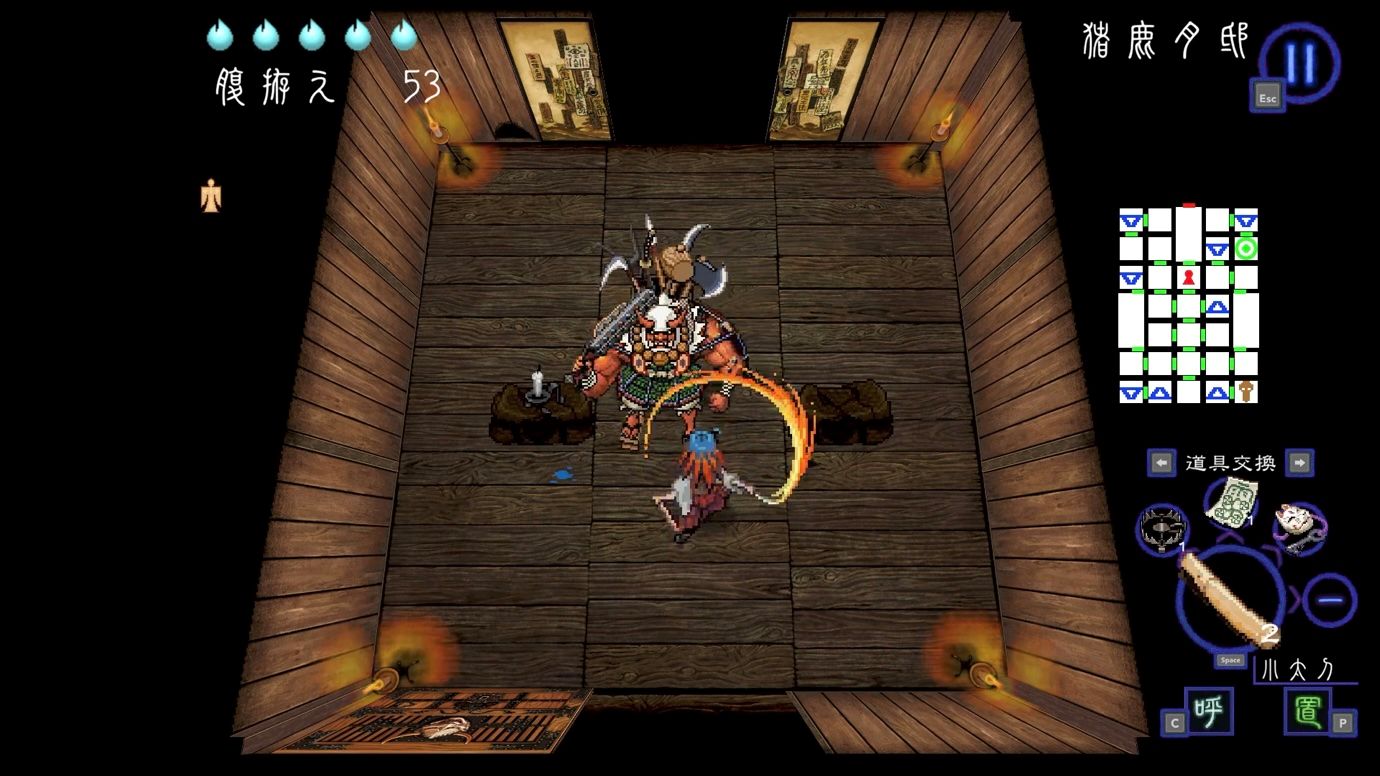
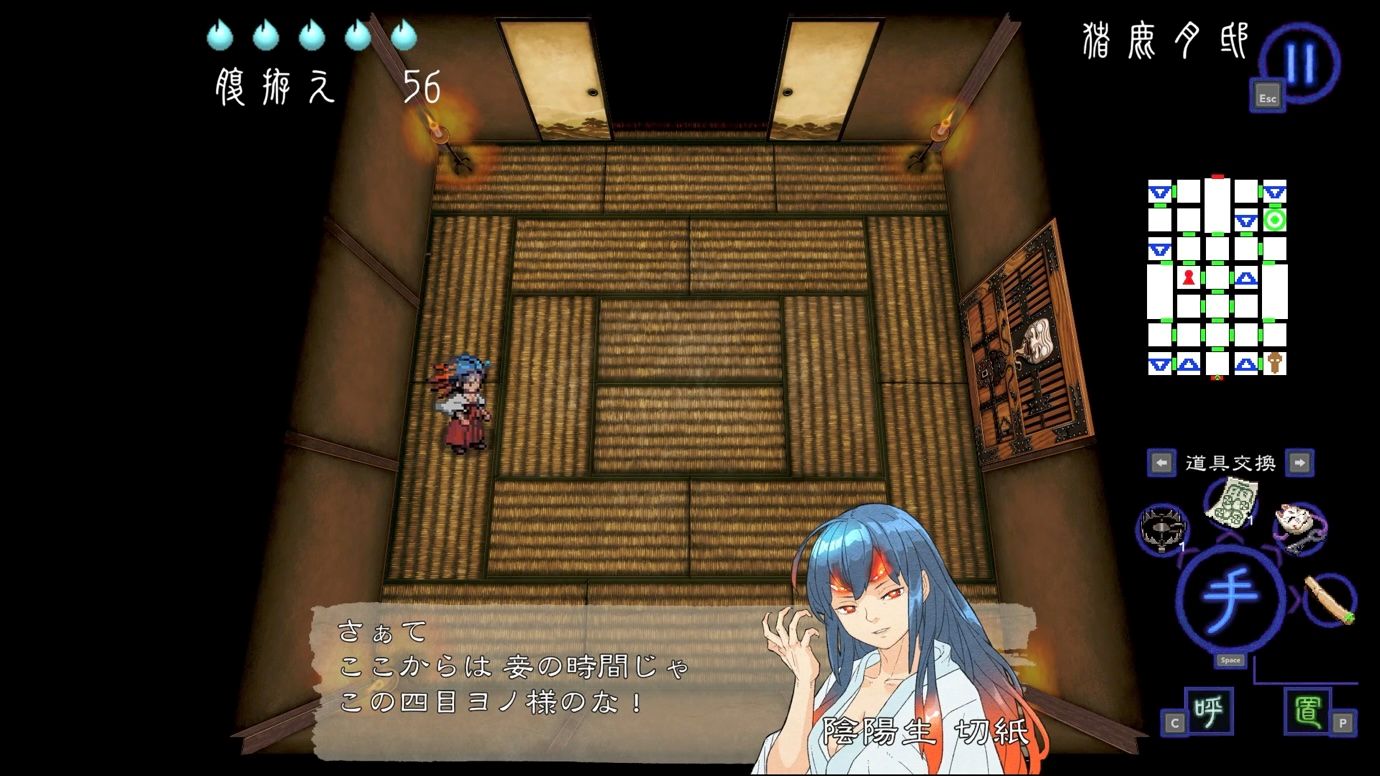
The game also includes an alternate state called “Yono of the Four Eyes,” which activates under certain conditions when Yono is in danger. In this form, she awakens an Evil Eye on her forehead and gains stronger abilities, including boosted Kodachi power.
It is a familiar kind of desperation mechanic, but it fits the tone well. In a game built around haunted mansions, survival, and supernatural threats, giving the protagonist a darker form feels like an obvious move. The real question is how often it changes players’ strategies and whether it introduces meaningful risk-reward decisions rather than just a power spike.
A notable creative team is behind it
Shinonome Abyss: The Maiden Exorcist also has some recognizable names attached to it. Director and game designer Kenichi Iwao previously worked on titles including Resident Evil, EINHÄNDER, Parasite Eve 2, and Final Fantasy XI. Character design comes from Tatsuya Yoshikawa, whose past work includes the Breath of Fire series and Devil May Cry 4 and 5. Programmer Hiroshi Ogino has also worked on projects such as Shiren the Wanderer: Everyone’s Mystery Dungeon, Fate/Grand Order, and Culdcept Mobile.
That does not guarantee the final game lands, but it does give Shinonome Abyss: The Maiden Exorcist a stronger pedigree than a lot of smaller roguelike releases.

