















































Back in ancient times, when gigabytes were only a dream and dinosaurs roamed the earth, city management games were also about ancient cities rather than gleaming cities and, you know, cars, roads, and transportation. Oh, we had Caesar and Pharaoh, and we would watch Columbo and Matlock for hours, and then we’d tell long, pointless stories that don’t go anywhere. Where was I? Who am I? Are you my grandson? OH YEAH! Cities! Ancient things! Like me!
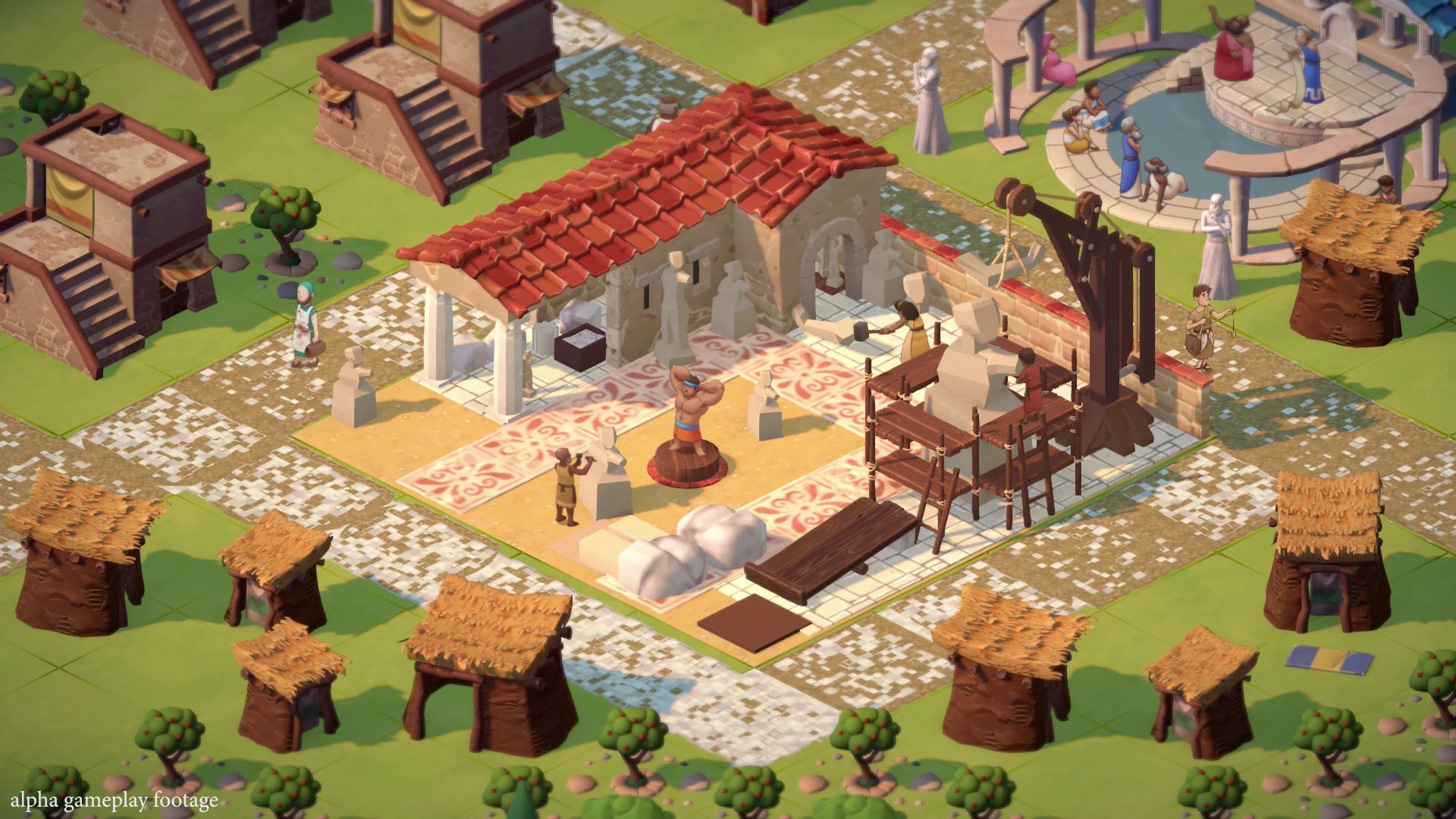
Of late, there’s been a renaissan…wait, too, too recent, the Renaissance isn’t for thousands of years, we’re in the classical era over here…rebirth? A small trend toward reviving the ancient city-building and management game. Pharaoh got a remake and a reboot. We visited Rome. Which leaves us…Greece, just in time for a Boston-accented Odysseus to take us there on the silver screen.
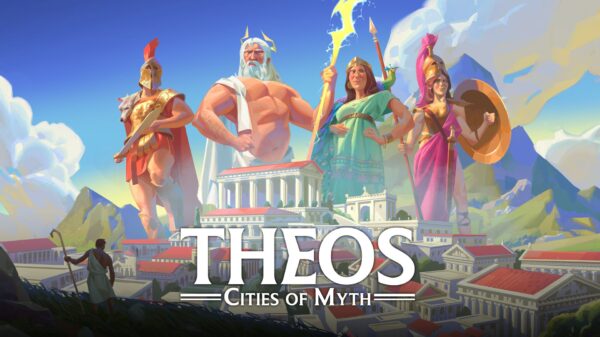
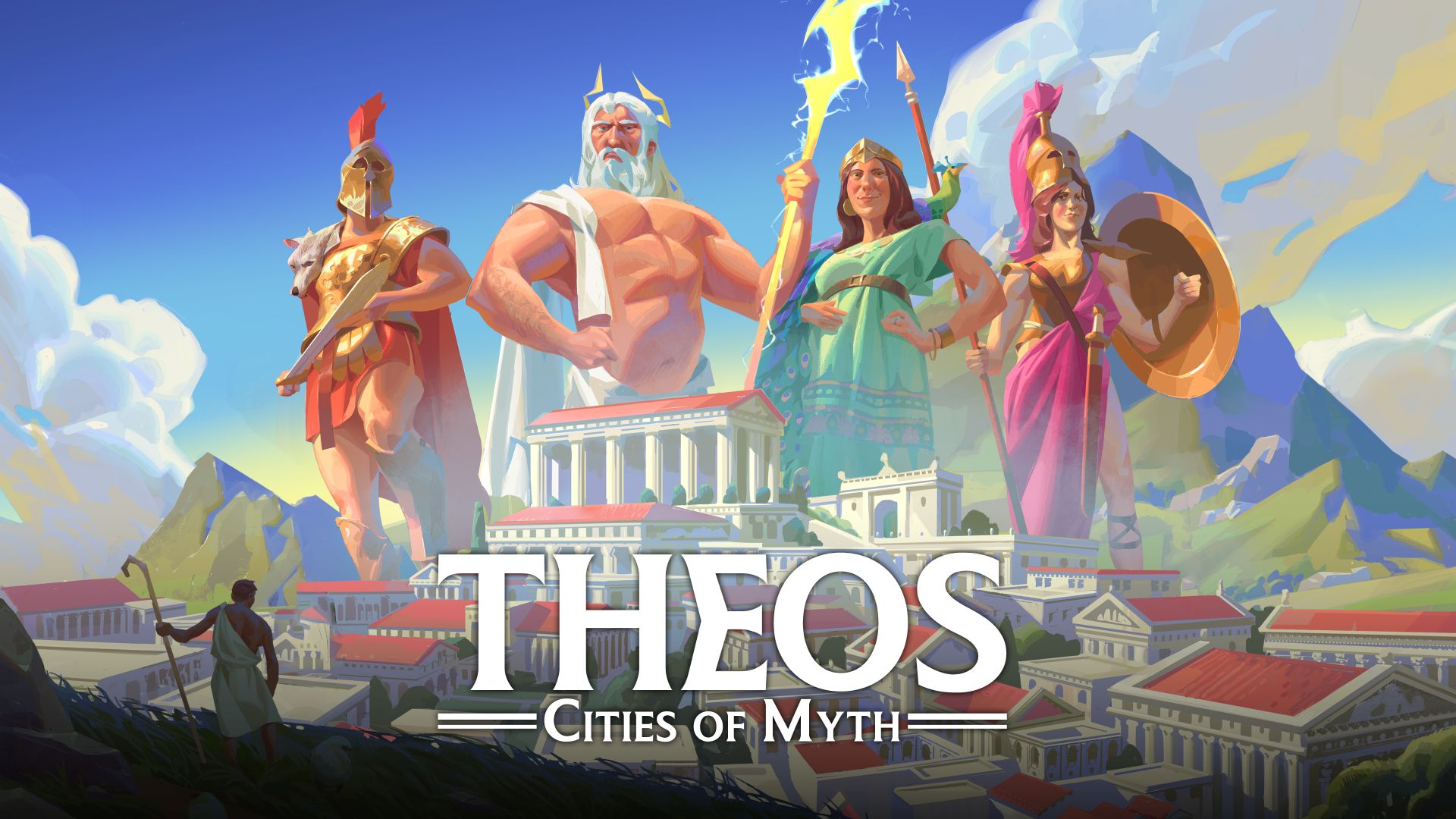
In an early look, I found that Theos: Cities of Myth is an entirely satisfactory, very colorful city builder that remembers its classical roots in vintage PC titles but is quite playable for the modern gamer, at least as long as they like things such as optimizing routes and physical space, planning city expansion, frowning at screens, and the other delights of this particular genre.
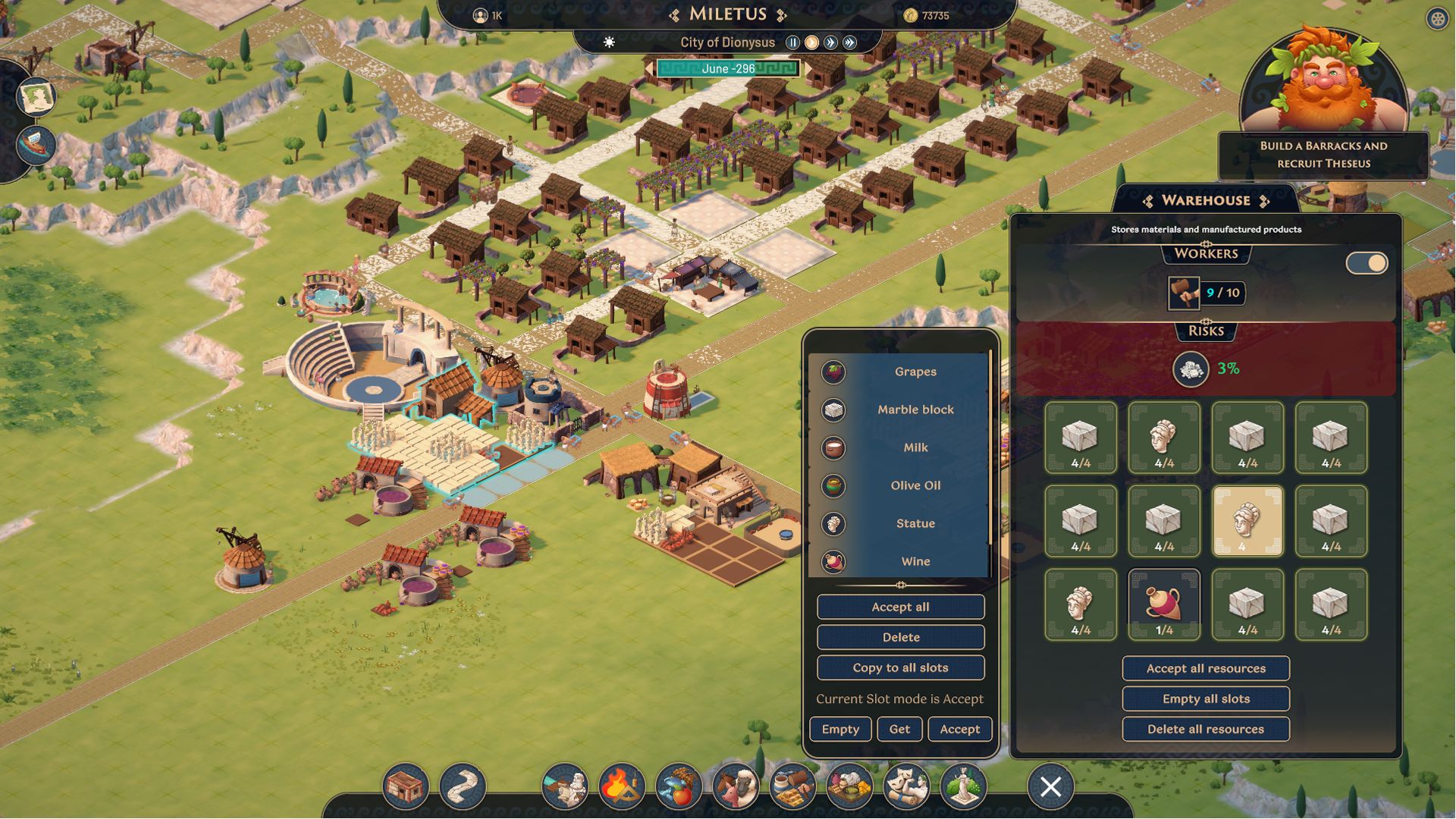
Theos: Cities of Myth is from the previously mentioned creators of Pharaoh: A New Era and brings us to the ancient lands of mythological Greece, where gods and goddesses walk the earth, and everyone wants something. Mainly, they want you, the player, to build them cities. And shrines. And temples. And fire departments. And marketplaces. And all the other things one would expect to find in an ancient city.
Theos plays just like those classic city-building and management games from my ancient youth: from bare terrain, you begin placing roads and houses. Soon, people dragging handcarts with their meager possessions begin to show up. From these humble beginnings, a great city will rise. Unless you screw it up, of course.
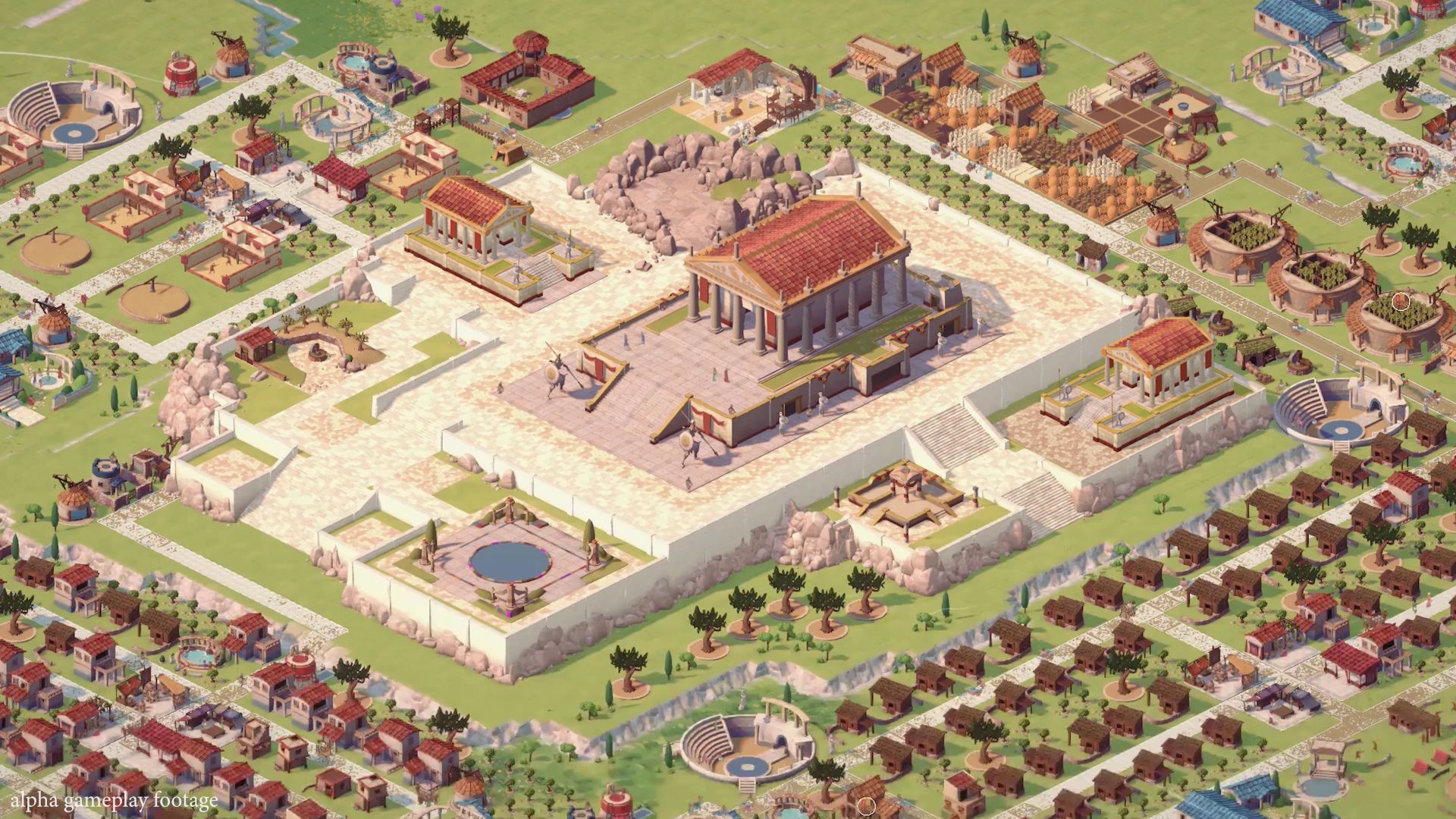
Y’see, people have needs, and it starts simple. To upgrade from basic tents and hovels, they need water and to be sure their tents, hovels, and buildings won’t fall down. You probably want to feed them eventually, which means building farms…
And then the game unfurls itself, because the real game is production chains and systems, glorious systems. A simple one goes something like this: People need food to eat, so you build farms on the fertile land. Then you need somewhere to store the barley your farmers are harvesting, so you build a granary. Lovely. But then you need somewhere for, you know, people to buy all that food you’ve been gathering, so you have to set up a marketplace and hire a grocer to actually sell it to them.
And then you realize, hang on a second, all my farms are way over here and my market is here and my granary is kind of over here but the houses are here, maybe I need to optimize it, but oops, this building is decaying, maybe I need to build the repair building and oh no there’s a fire, where are my fire guys, and…yes. YES! YOU’RE HOOKED! You’re optimizing routes. You’re managing. You’re frowning at screens and planting flags for routes and watching your hovels grow into prosperous settlements and wondering why not bulldoze the new hovels for a park to make some rich people housing and optimize your space.
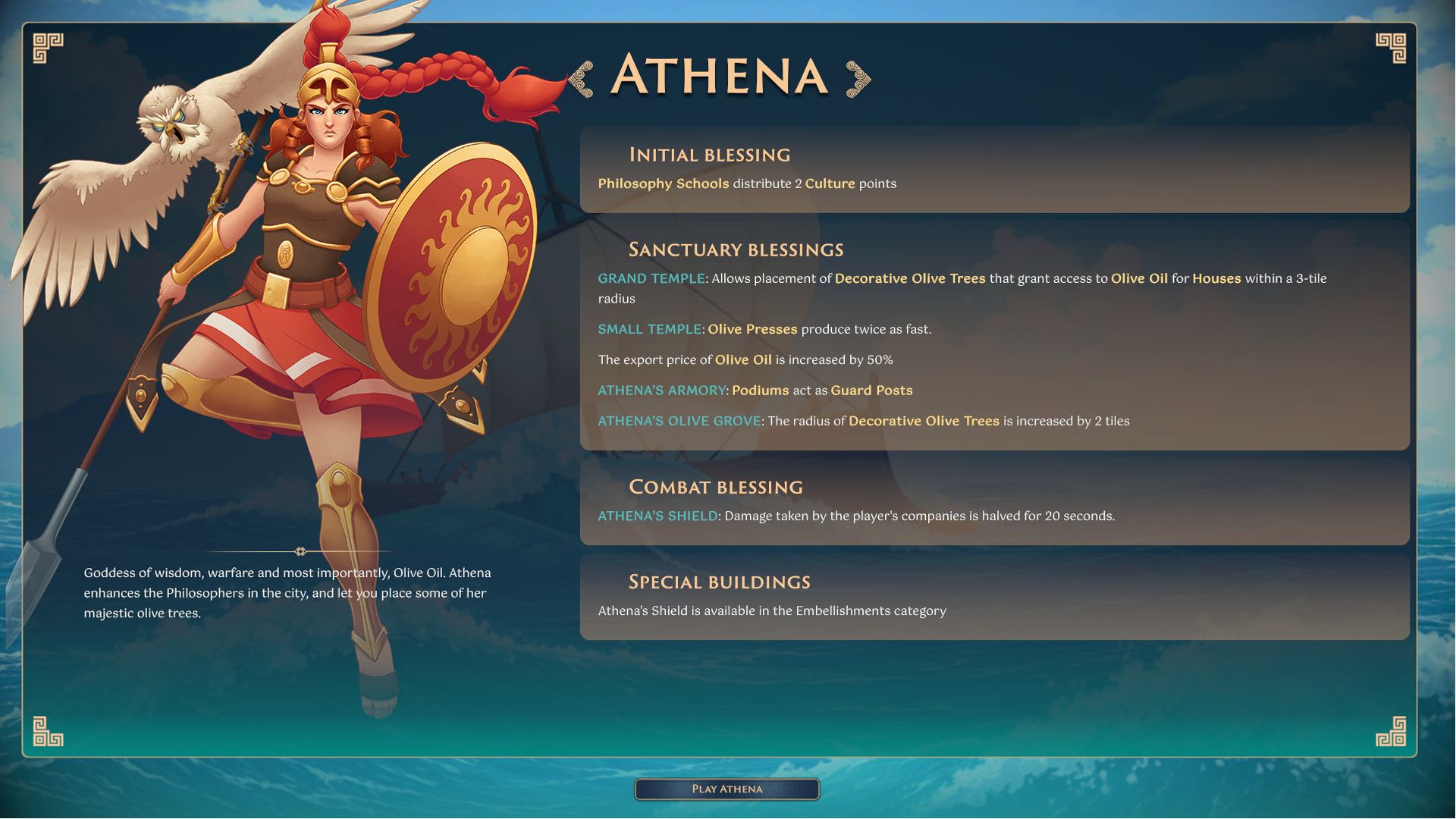
But of course, there is only so much actual physical space. And people have needs. And the gods, well, they also like making demands, too, and if you make the gods angry, well, the Greeks have a whole lot of stories about how that turns out, even if you’re from Boston and happen to be Matt Damon.