

































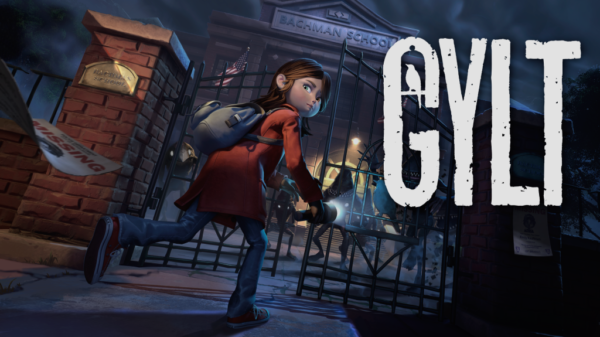
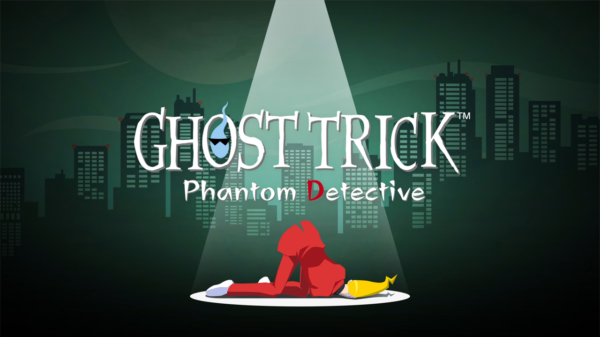
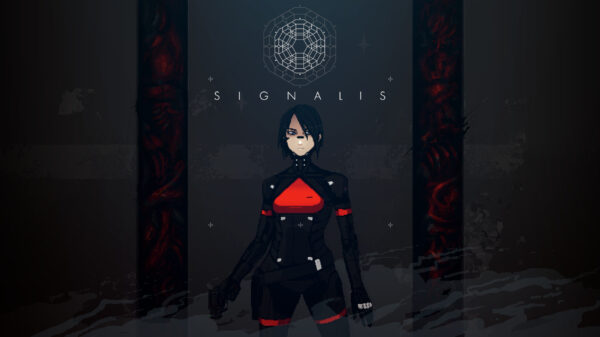











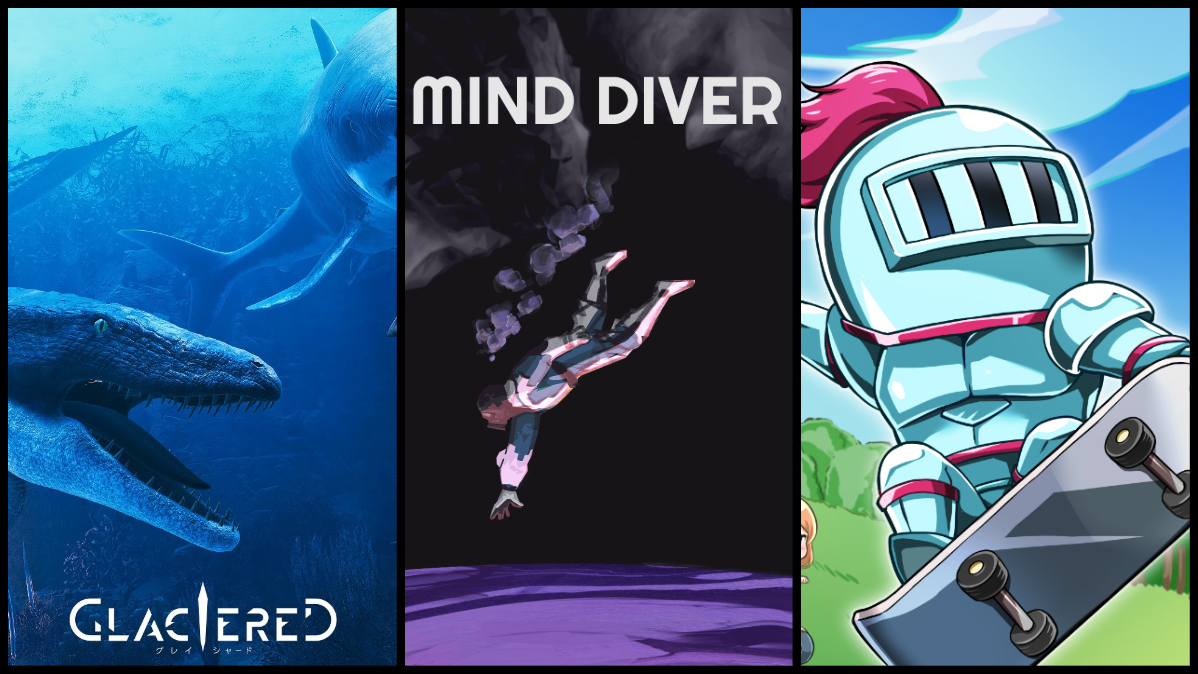

Playism has been an independent Japanese publisher for close to 15 years now and has published dozens of games from very vastly different styles, genres, and from developers all over the world. Some of these IPs include Blade Chimera, Signalis, the Momodara series, and Playism has even provided Japanese localization updates for titles such as Night in the Woods, Her Story, Doki Doki Literature Club Plus!, and Omari.
Below, we will go through several upcoming Playism titles we recently played.
Mind Diver
Mind Diver has you trying to recollect and figure out the incidents of a previous time for Lina as a Diver. Lina’s memories are eroding, and she needs you to help her find her boyfriend. You will be diving into the minds and memories of various people, trying to figure out the missing pieces of what exactly happened to Lina, her boyfriend, and gathering evidence to restore these memories. For example, early on, you will have to figure out important details by listening to monologues of characters and sometimes the sorts of sounds that are emitted from the environment.
To restore these memories, you will be swimming around, carrying one object at a time, and placing it inside a memory hole. For example, one of the early puzzles is a crowded outdoor scene. People are all over chatting, a bench with objects on it, and a bike rack. Lina is bending down and holding an object with two hands, but we cannot see what the object is because it is a memory hole–a void in her hands, where the object should be. By clicking on this memory hole, Lina says, “He dropped these… headphones?” This is our first clue to solve this one memory hole. I looked around the room for headphones, which were on the bench. Carried the headphones with the tool I had on hand and inserted them into the memory hole to have that scene play out completely. This may sound simple and easy, but it quickly becomes difficult and challenging to the point where you will be diving around in different scenes to bring objects back and forth to different memory holes.
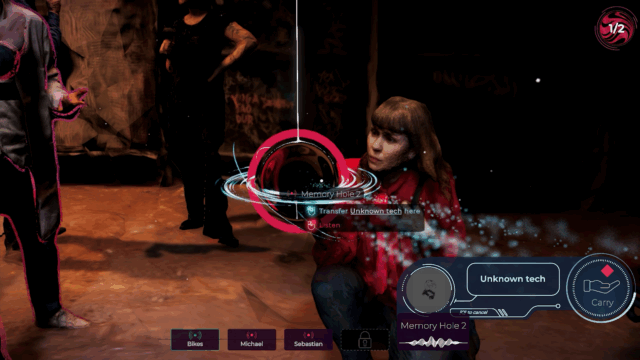
Mind Diver elevates the mystery genre in new ways by being able to scour the deep sea of consciousness and literally piecing together this mystery slowly, but surely by listening to different audio cues, monologues, and incidents.
You can play Mind Diver through its demo on its Steam page.
Glaciered
If you, like me, enjoyed playing as Zora Link in The Legend of Zelda: Majora’s Mask, then Glaciered is for you. Glaciered has you swimming around the ocean as a Tuai, an aquatic species that evolved from birds. Getting some Wind Waker lore vibes here, of course. You will be zooming in the water, slashing enemies with your fins, and swimming nimbly to dodge enemy projectiles.
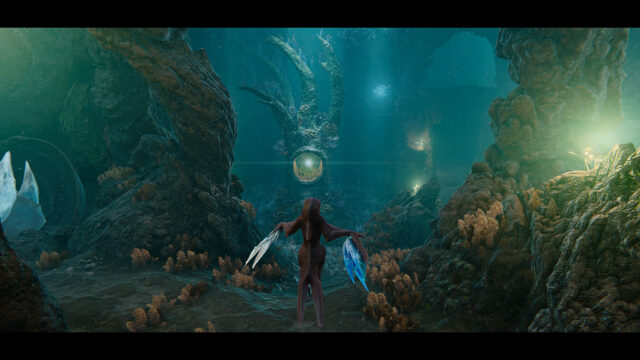
This game takes the sections of using Zora Link in Majora’s Mask, and updates these mechanics control-wise to be a smoother experience, into a full-fledged game with an intriguing story and great voice acting. You will be fighting monstrous sea creatures, swimming for secrets, unlocking new skills, and leveling up to get stronger.
You can play Glaciered’s demo on its Steam page.
MotionRec
MotionRec is a 2D side-scrolling platformer, but where the game takes its unique spin on this longstanding genre is the Record and Play mechanics. First, you record your movement. For example, by landing on a moving platform that ascends, the game will remember that your little character ascended. So, when you reach an area right after that which you cannot get to by just jumping, you press the Play button, which will zoom you up due to the previous recording you made.
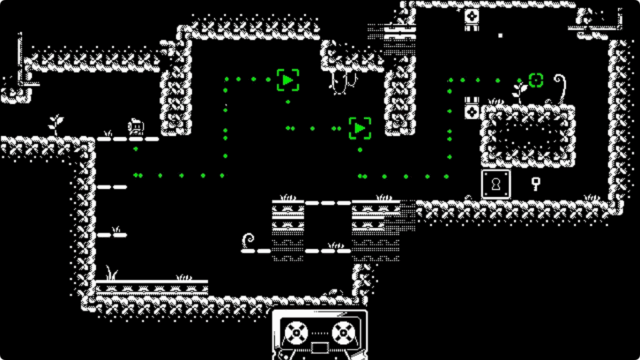
You will be making different types of recordings, like zig-zag, due to the different elevations in the environments with lines interspersed with jumps, which will then later help you pass spikes. I really love the black and white palette, where the only colours represented are red and green to represent Record and Play. It is such a smart game and gave me continuous aha moments on every solution I was able to figure out on my own.
You can add MotionRec to your wishlist via its Steam page.
Skateboard Knight
You are a knight on a skateboard, hence the title of Skateboard Knight. Skateboard Knight is played on three grids, with our titular hero occasionally attacking in front of themselves. You will be changing the lanes you are in, defeating enemies, and collecting experience. Each level up, you have three choices to add new skills like shooting out a fireball every few seconds, increasing your critical hit rate, or being able to have experience/gold gravitate to you.
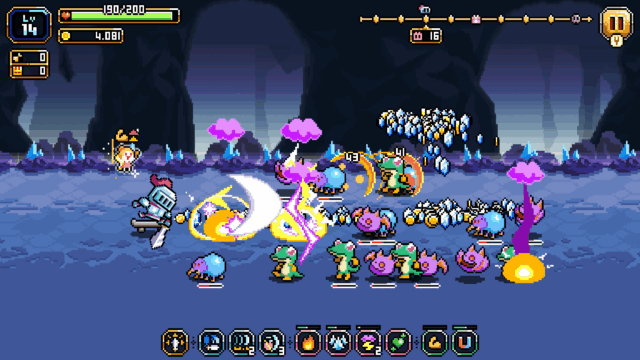
It is cute, and heavy with player choice, and each run you do on a level will not be the same because of the different skills to choose from each level up. Do you want to make your fireball attack hit two seconds faster, when you have already upgraded its speed several times, or start increasing your sword penetration to slash more than one enemy in each lane? The game has class changes with class-specific skills, such as the swordmaster slashing multiple lanes at once. All you have to do is control the lane Skateboard Knight is in, and they will do all of the work by skating stellarly. The simplicity of the game, by only controlling movement, reminds me of Vampire Survivors‘ approach to design, which raises a potent pick-up and play attitude. The dopamine hits your brain just right with Skateboard Knight.
You can play Skateboard Knight’s demo through its Steam page.
Hopefully, this list provided you with some wildly different and excellent games from Playism to check out for release later this year.