






I’m not someone who enjoys reflecting on the past. Partially to avoid thinking about my own failures, but mostly because every year has started to feel like the same exercise of getting kicked in the teeth on repeat.
But we’re not here to talk about my year as a whole; we are here to talk about the best games of 2025. My list is missing many of the heavy hitters from the year, with games like Blue Prince being in a genre I just don’t click with, or games like Clair Obscur: Expedition 33, where it’s a beloved game in a genre I love, but not a game I love. Ultimately, it was a year where I enjoyed many games, but nothing electrified me. But still, there were some incredible games, giving me unforgettable experiences, which is what it’s all about.
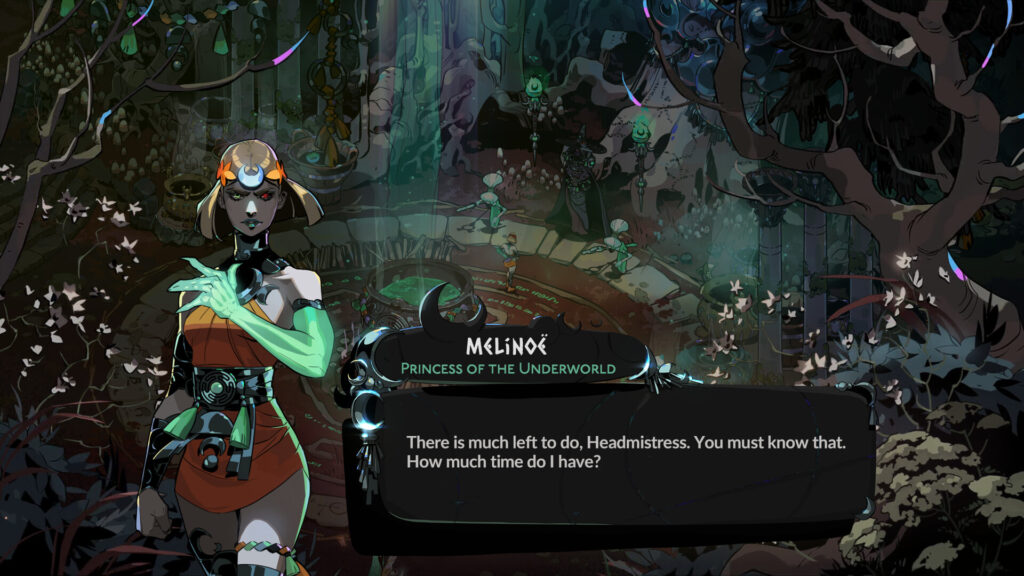
10. Hades 2
Hades 2 feels like a prime example of suffering from success. I love Hades; it is one of the best roguelikes ever made, a hill I’m willing to die on. Hades 2 surpasses the original in so many fantastic ways, with more incredible character work, weapons, builds, and bosses, but in being a sequel that so closely resembles the original, it doesn’t quite have that same magic. Perhaps the shortcomings of the story are part of this, but it feels odd to put a game that is arguably better than its predecessor at number 10, but so it goes.
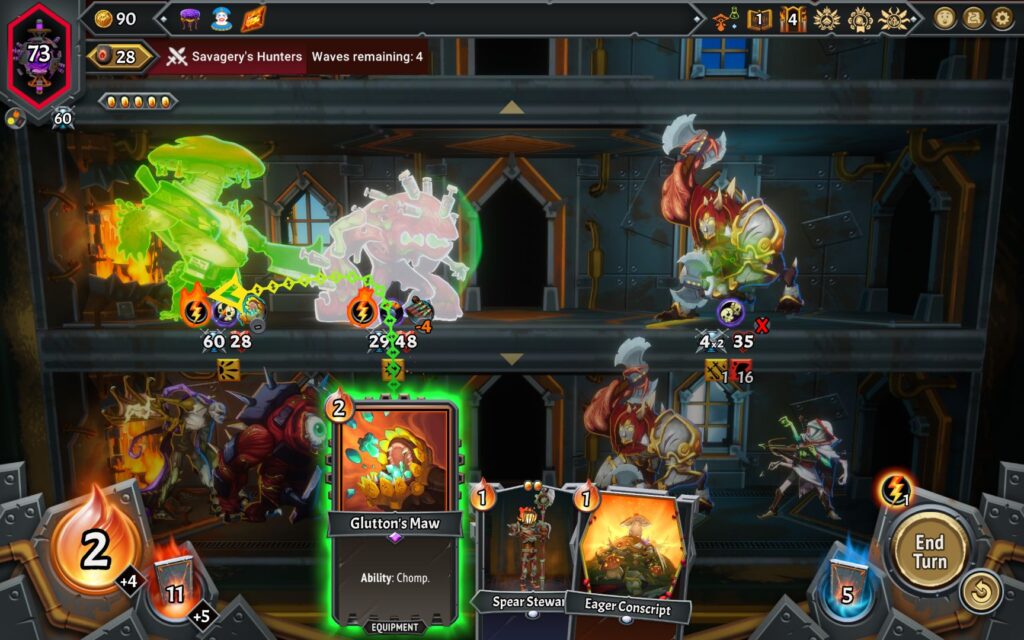
9. Monster Train 2
Monster Train 2 plays a lot like Monster Train, but the decision to be additive with its new content, containing five new Clans in addition to the five original Clans, makes it so much more. The deck combinations and strategies feel vast with the new Clans and mechanics, and yet there’s always a boss with the exact right abilities to negate whatever deck you’ve built for yourself. It’s still brutal, but it’s one of my favorite deckbuilders, and there’s no shortage of choices.
Credit: Nintendo
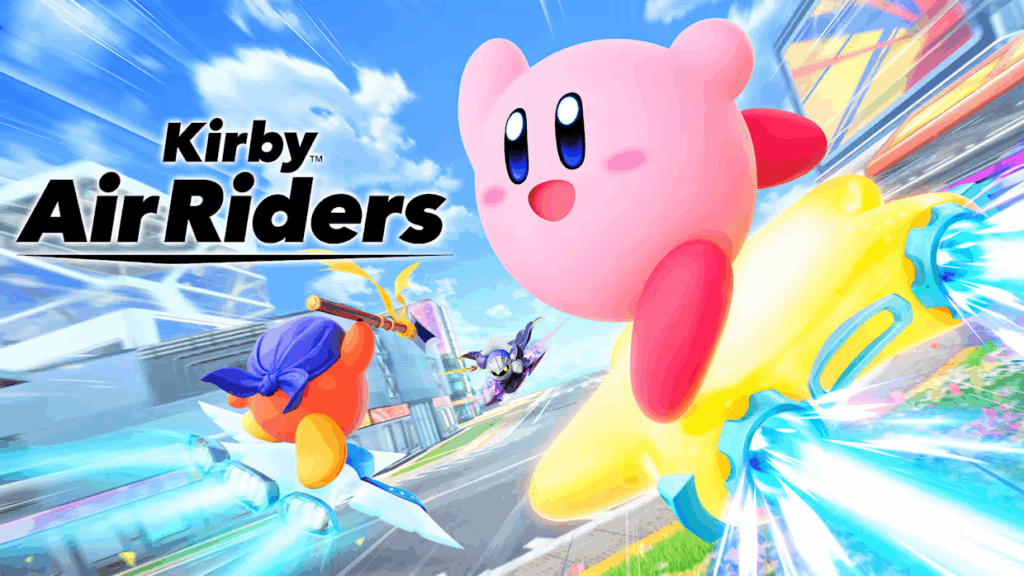
8. Kirby Air Riders
It’s nice to be validated sometimes. I loved Kirby Air Ride on the Nintendo GameCube as a kid, and I was shocked to discover that not everyone shared that feeling. Kirby Air Riders is as much of a remake of the original as it is a sequel, containing all of the original modes with so much more in terms of Machines and Items. The chaos of City Trial online, playing with a ton of other people, surpassed my hopes for getting to relive my childhood, and I got to do it in a great game.
7. The King is Watching
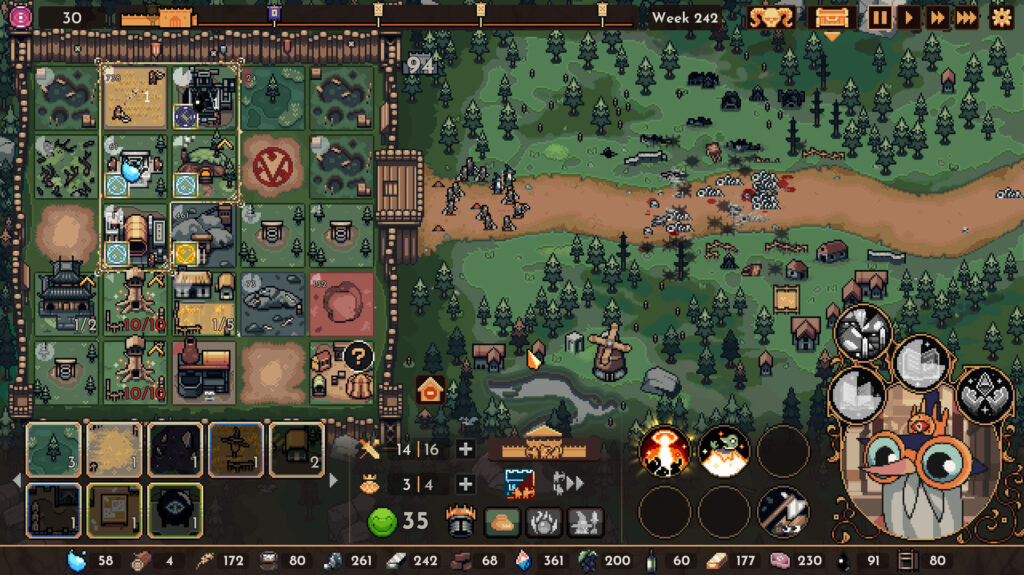
Still in early access, The King is Watching is a fantastic fusion of city building and Roguelike gameplay. You manage a small area inside a castle by building structures to produce resources, which can be used to produce other materials and make soldiers of all sorts. The catch is that the city isn’t entirely automated, but instead only the tiles within your gaze as king. This starts small, only 3 or 4 tiles, but you can expand, and depending on your King of choice, into various shapes.
This specific mechanic is what I love so much about The King is Watching. It adds a nice additional layer of strategy to laying out the city. Having to think about which buildings and resources I wanted to group together, so I could optimize my city the best I could. The combat is an auto-battler that you can interact with via spells, but the fun variety in both enemies and troops is great. Having an army of mounted geese and killer bees is much more exciting than some little guys in armor.
6. Nubby’s Number Factory
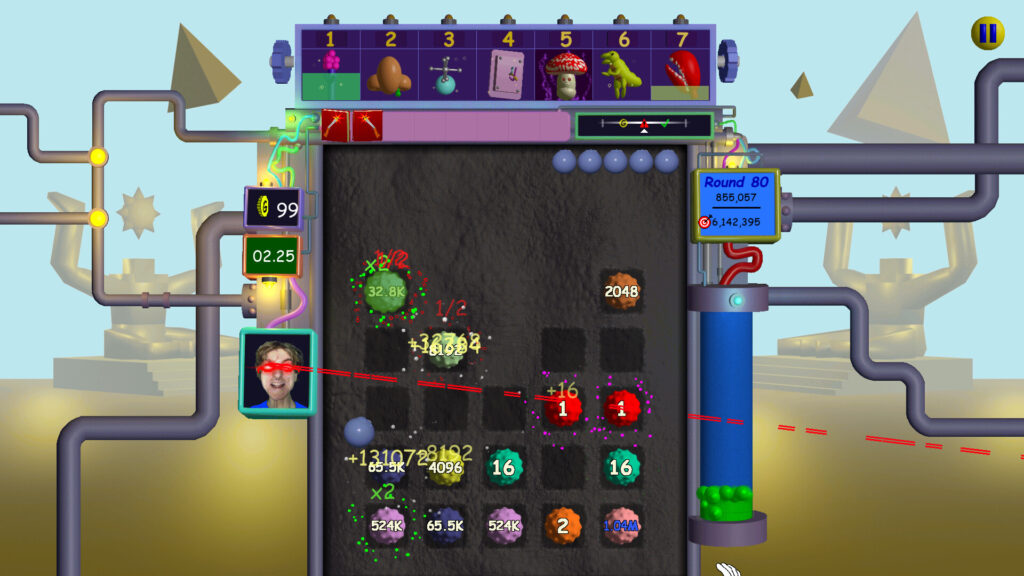
Nubby’s Number Factory is a perfect video game. You do plinko-style runs in a roguelike, where you amass weird little items that do strange stuff, so you score more points. It looks like a website made by one guy in 1999, and it costs $5. As someone who loves Peggle, I knew I would like Nubby’s Number Factory the second I booted it up, but what I didn’t expect was how much I would love the aesthetic. It’s so singular in its focus that I can’t help but completely buy in.
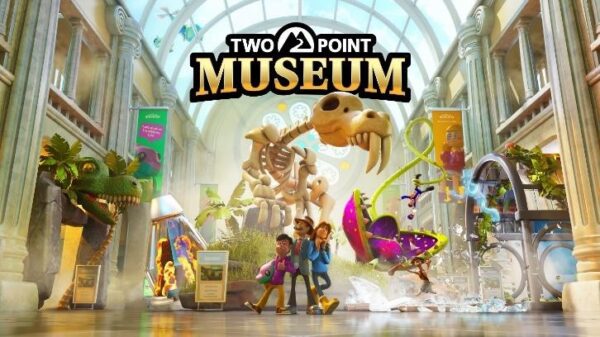
5. Two Point Museum
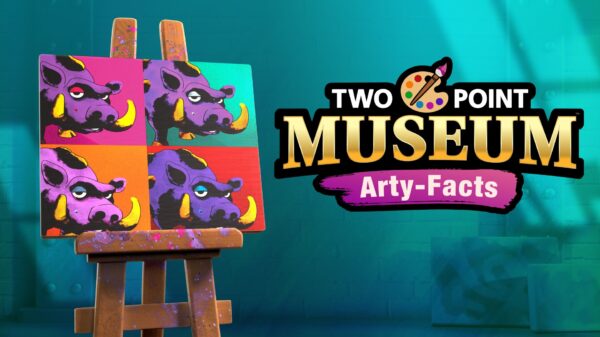
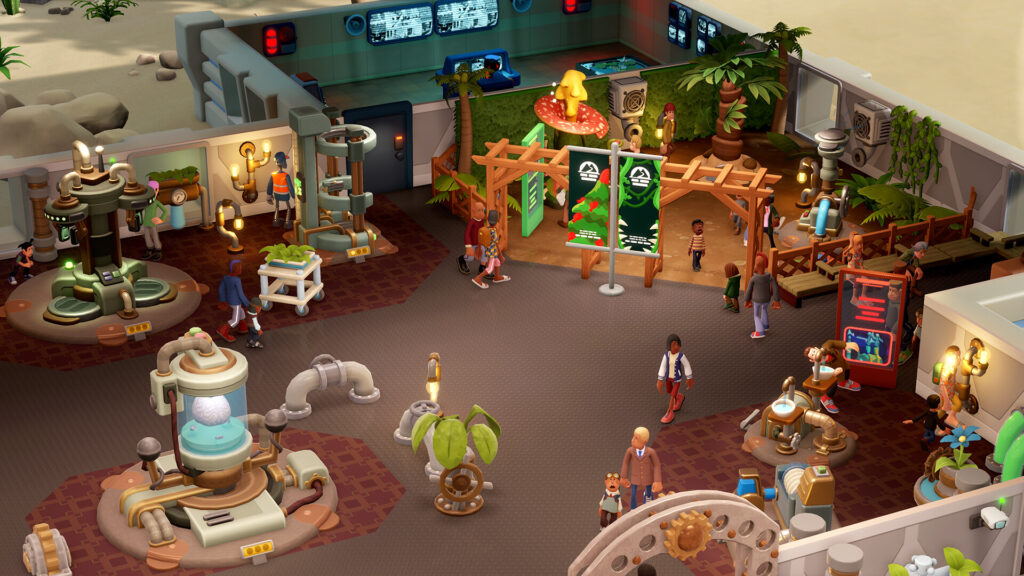
Museums are so sick. A building full of history, laid out and displayed in a way that just feels like an endless stream of cool facts about dinosaurs or metalworking. While Two Point Museum isn’t about learning about history, it is all about showing how appealing history is to the world. Getting to lay out and design the museum in a way that maximizes the space and exhibits you have to work with is so satisfying, especially with the reward loop.
To get new exhibits, you have to send out your experts on expeditions. These have level and skill requirements and always have a chance of going poorly. You bring back a new exhibit, display it, and decorate it so it becomes popular. You earn more money, train your experts, and you can keep discovering new exhibits. Combine that with the range of museum types, prehistoric, aquatic, ghosts, and even the two DLCs adding fantasy items and zoo animals–it gives you so much to play with while pacing it out perfectly to not overwhelm.
4. Monster Hunter Wilds
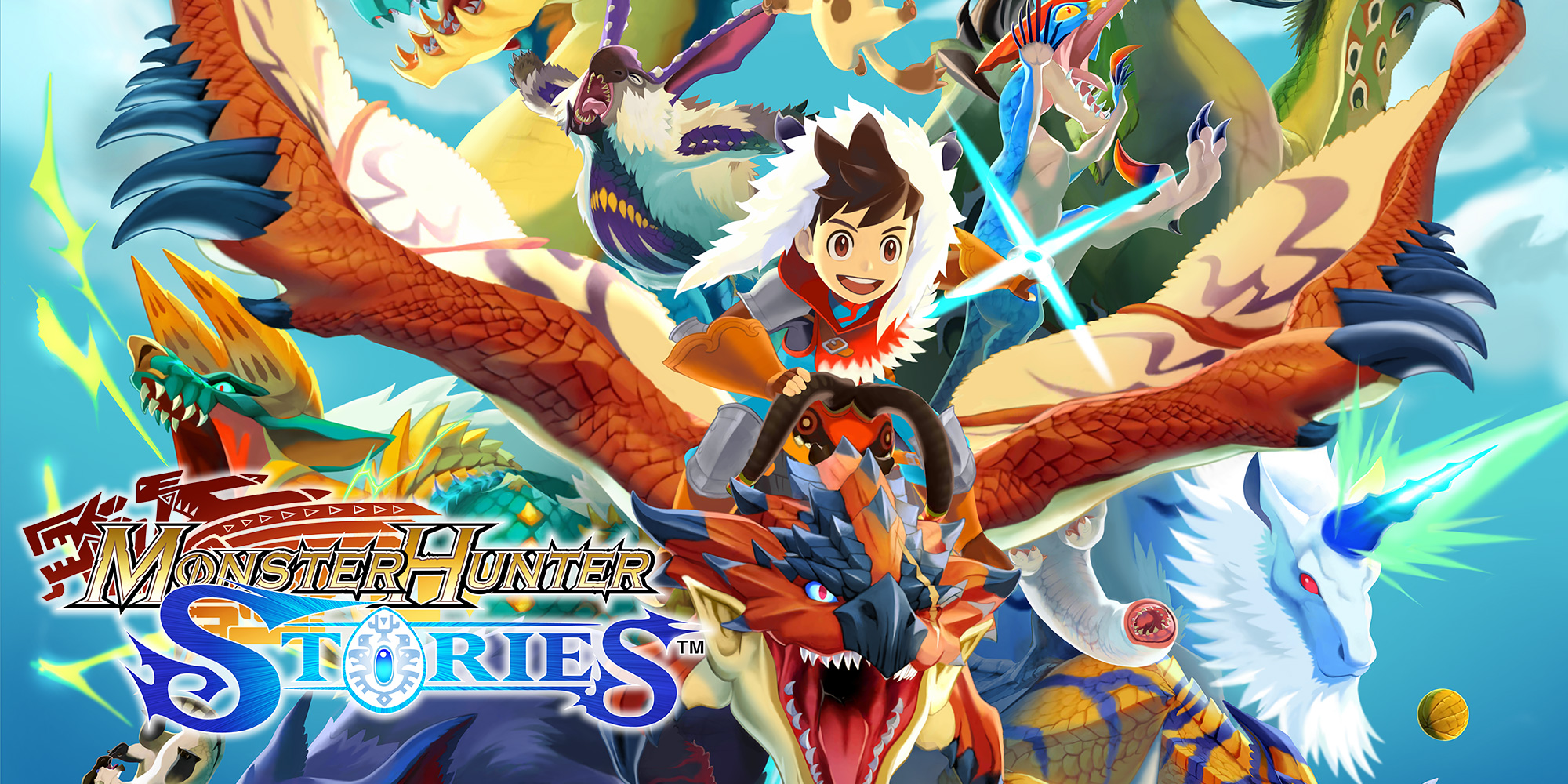
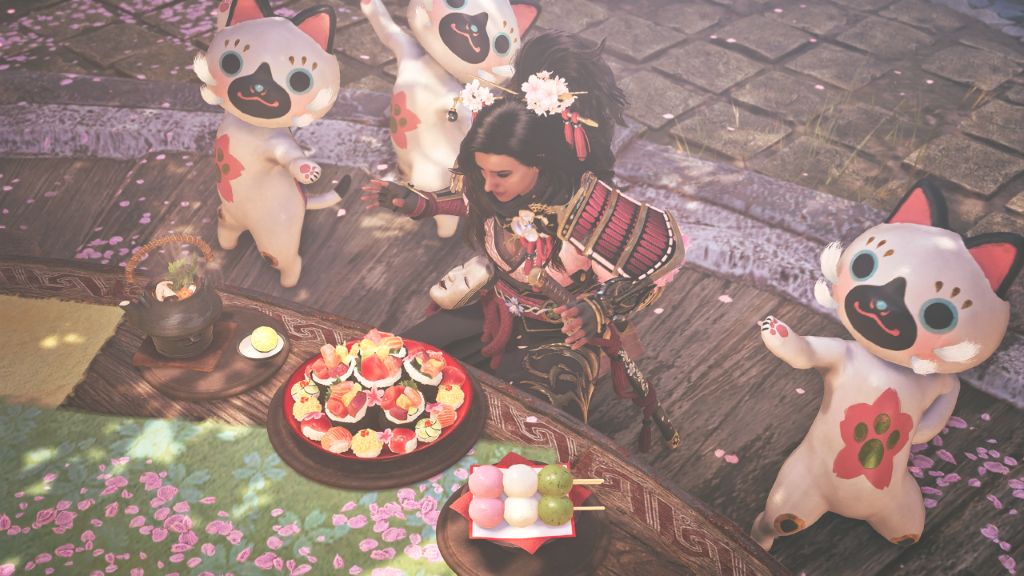
I know some people are disappointed with Monster Hunter Wilds for plenty of valid reasons, but I got what I wanted out of it. I got to hunt a bunch of new monsters with new weapons in one of the best feeling action games you can play. While I think the auto-pilot feature of the Seikret does take away from learning the maps, I also know I would be sick of navigating myself pretty quickly after going through the new campaign. Plus, new monsters like the spider Lala Barina and armor no longer being gender-locked make this a solid sequel in my book. Plus, the expansion is going to fix the endgame anyway.
3. Donkey Kong Bananza
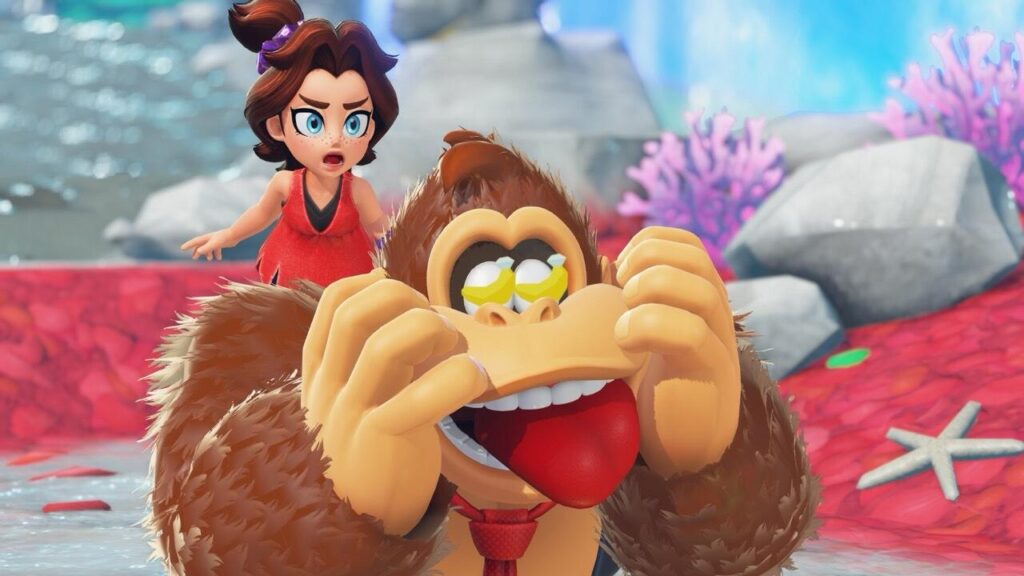
Donkey Kong Bananza is an odd game, but one I love. At times, it feels like pure platforming magic, with every satisfying sequence leading directly to a reward to collect, “Oh, banana.” You also get moments where you are digging through a seemingly meaningless wall only to discover another banana, mostly confused as to why it was hidden there. While I can understand some criticism of the latter, those moments are just as important.
For every clearly designed puzzle that you are led through without ever realizing there’s a guiding hand, there’s something just as special as finding something that feels like you shouldn’t have. Combine that with some of the best feelings of destruction in a video game, with every rumble, sound, and animation perfected to make breaking a wall exciting every single time, Donkey Kong Bananza is a delightful experience from start to finish. The music is fantastic, and Donkey Kong is wildly animated, creating such an exciting energy.
2. Avowed
Avowed is one of the biggest surprises of the year for me. I’m not huge into fantasy, never really enjoyed Elder Scrolls or other medieval forward RPGs, but I gave Avowed a shot. Partially because Obsidian doesn’t miss, partially because of the bright and colorful art direction, not the usual dark and bleak medieval look.
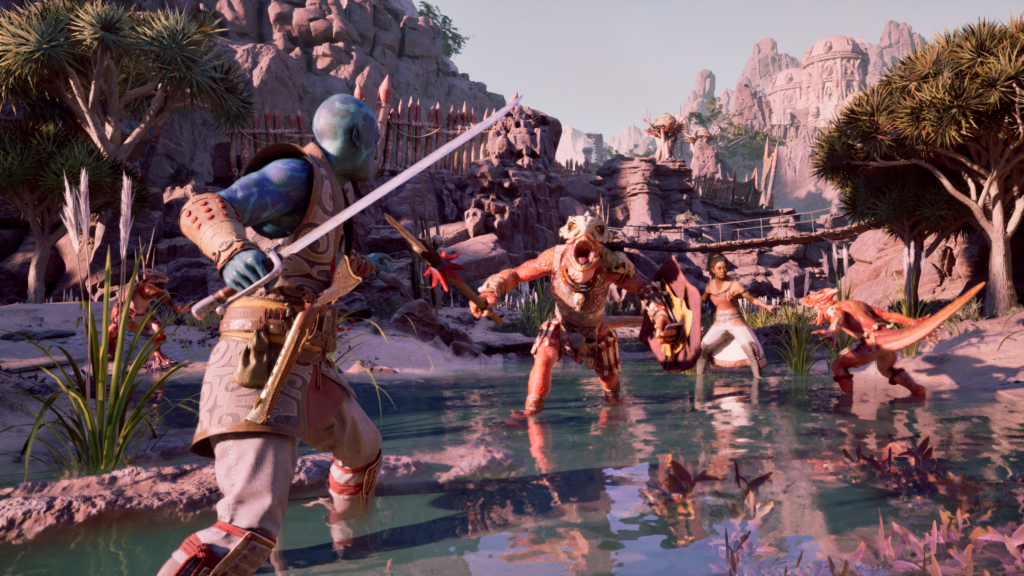
Avowed rocks. The first-person melee combat not only feels great, but it’s reactive and fluid in a way where you can really bob and weave through enemies. There wasn’t a weapon in the game that didn’t feel great to use, from swords and maces to guns and spell books. Just playing around with a new weapon was enough incentive to try out most of the loot I found.
The exploration is magical. I love exploring every inch of a space in these types of games, shoving every item I find into my pockets–Avowed doesn’t have encumbrance, like all good video games–and Avowed delivered. Every small path leads to some series of ledges and leaps, and there’s almost always a reward at the end. Having smaller maps meant that every inch of space could be made for a purpose, and you feel it.
The story is enjoyable, and while I never felt overly attached to my companions, I did feel a sense of responsibility to the people of the Living Lands and to the future of their home.
1. Promise Mascot Agency
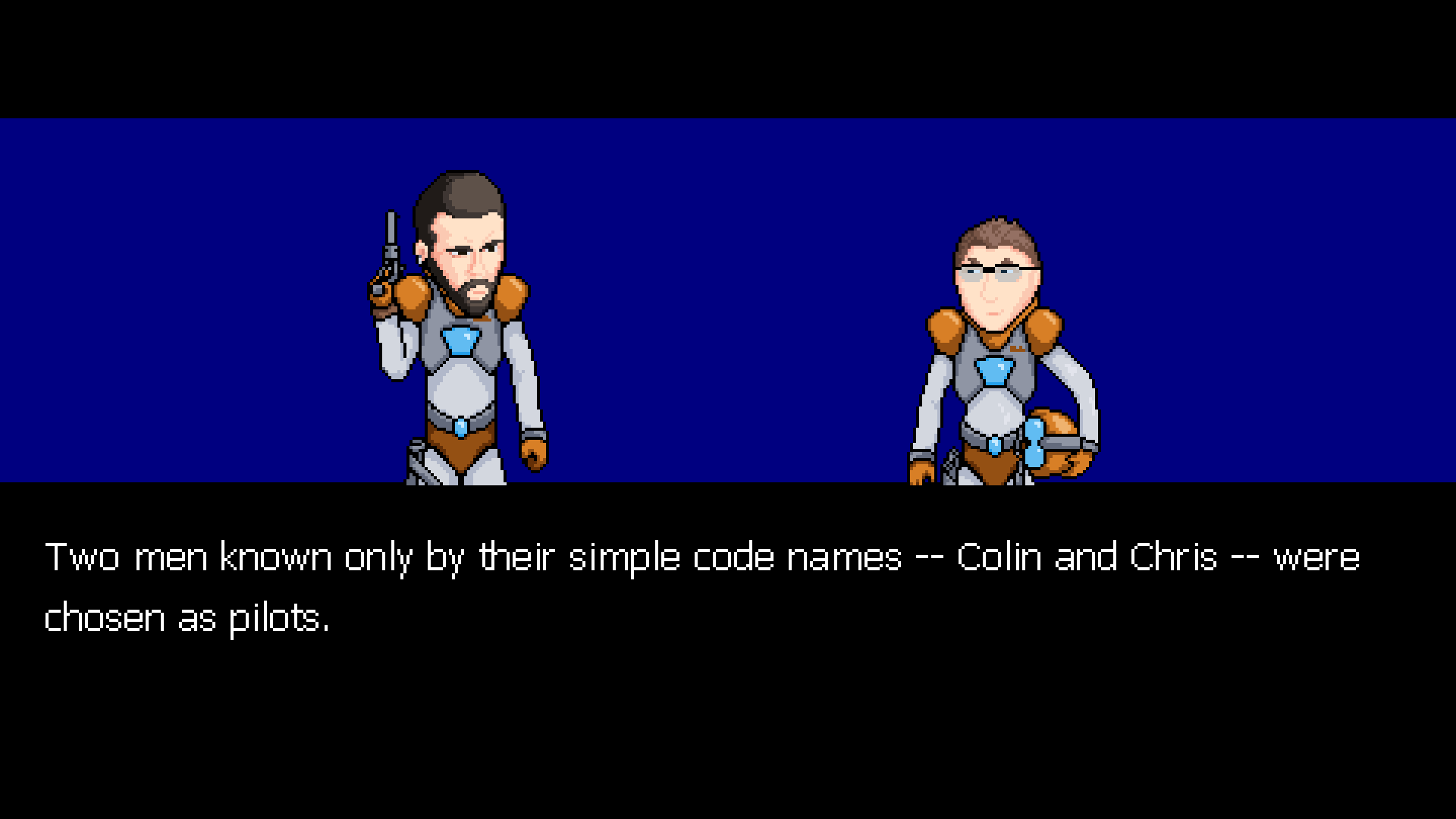
Promise Mascot Agency has everything I could ask for in a video game. Immaculate vibes, fun gameplay, great characters, and a story that’s as absurd as it is earnest. As Michi, you move to Kaso-Machi as punishment for letting the family down. The city is cursed, for Yakuza like yourself, but that’s not what you’ve been sent here to do.
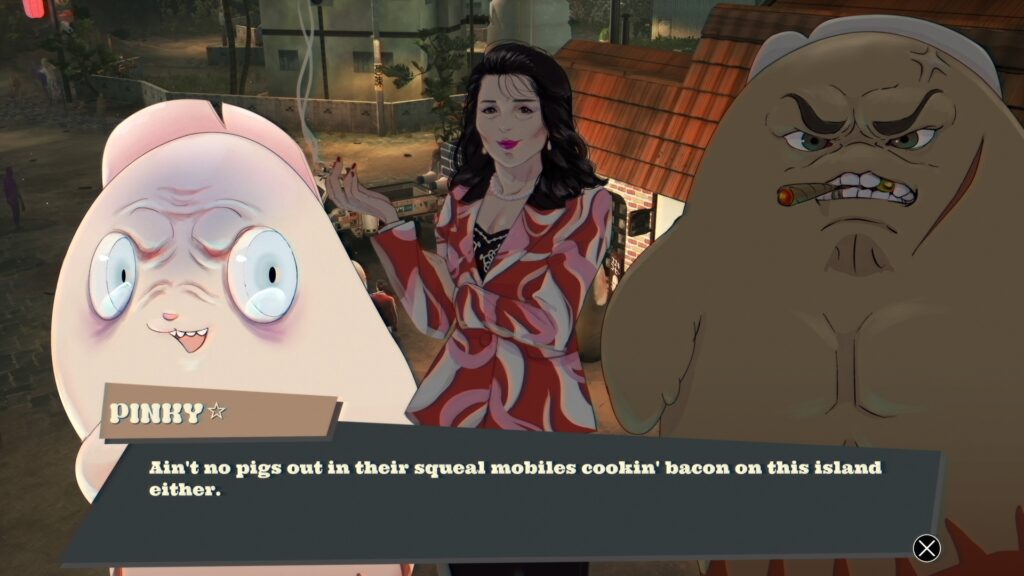
Your job is to revive the Mascot Agency there, and you do so by gathering the mascots that are available, in this case, the outcasts. You’ve got a tofu who can’t stop crying, an overly horny cat, and your trusty partner, Pinky, the human pinky.
As you gather more weirdos, you send them out on jobs where you must help them overcome obstacles, like getting stuck in a door, with hero cards you gather around town. Exploring the town, you drive your Kei truck, which can be used to do some 3D collecting around town for important merchandise.
All of these gameplay elements are a ton of fun, including investing in the town and using a giant vending machine to distribute mascot merch, but the story is what really brought Promise Mascot Agency together for me. While the town is “cursed,” it becomes clear that a corrupt and unlikeable mayor is at the heart of these issues. Taking money meant to help revitalize local businesses for himself. And as much as Michi would like to solve the problem using the tried-and-true method, that’s not what Kaso-Michi needs, not really.
So you start working with local businesses, supplying funds to make upgrades and repairs, while having your mascots help bring in new people. The more people you help, the more other people in town are willing to reach out. You gather more mascots, help enrich the locals, and bring life back to the town, so tourism can pick up. And sure, this is idealistic. Promise Mascot Agency knows this, but it’s not about the end goal.
Sure, Pinky topples him in an election thanks to the support of the people, but that’s not what saves Kaso-Michi. What saves Kaso-Michi is people choosing community, and choosing to show each other kindness, no matter how many times they get kicked in the teeth. And, finding the strength to direct their pain towards those who inflicted it, instead of towards those closest to them.