













































Claw machines are usually known for their mix of excitement and frustration. But for solo developer Typin, that thrill of anticipation became the foundation for something entirely new: Cupiclaw, a roguelike deckbuilder built around the familiar claw machine experience.
Featuring a colorful, expressive art and heartfelt inspiration tied to both arcade trips and personal memories, Cupiclaw reimagines a pastime many grew up with. We sat down with Typin to talk about the game’s origins, its unique mechanics, and how a claw machine became the unlikely stage for a story about love, patience, and persistence.
From Tokyo Arcades to Game Development
For many, claw machines are nostalgic symbols of arcades and fairs, embodying a mix of excitement and frustration. For Typin, the solo developer behind Cupiclaw, the inspiration came from a more personal place.
“My connection to claw machines actually came from my girlfriend, when we were planning a trip to Tokyo. We had been playing a lot of the UFO Catcher minigames in the Yakuza series, and she was really excited to try the real thing in arcades. That eventually inspired me to start working on Cupiclaw.”
While claw machines at fairs often ended in frustration as a kid, the spark for Cupiclaw came years later, shaped by both real-world experiences and video games.
Turning Claw Machines Into a Roguelike
Claw machines are already notoriously difficult in real life, so why make them even more complex? Typin explained how Cupiclaw evolved beyond its original concept.
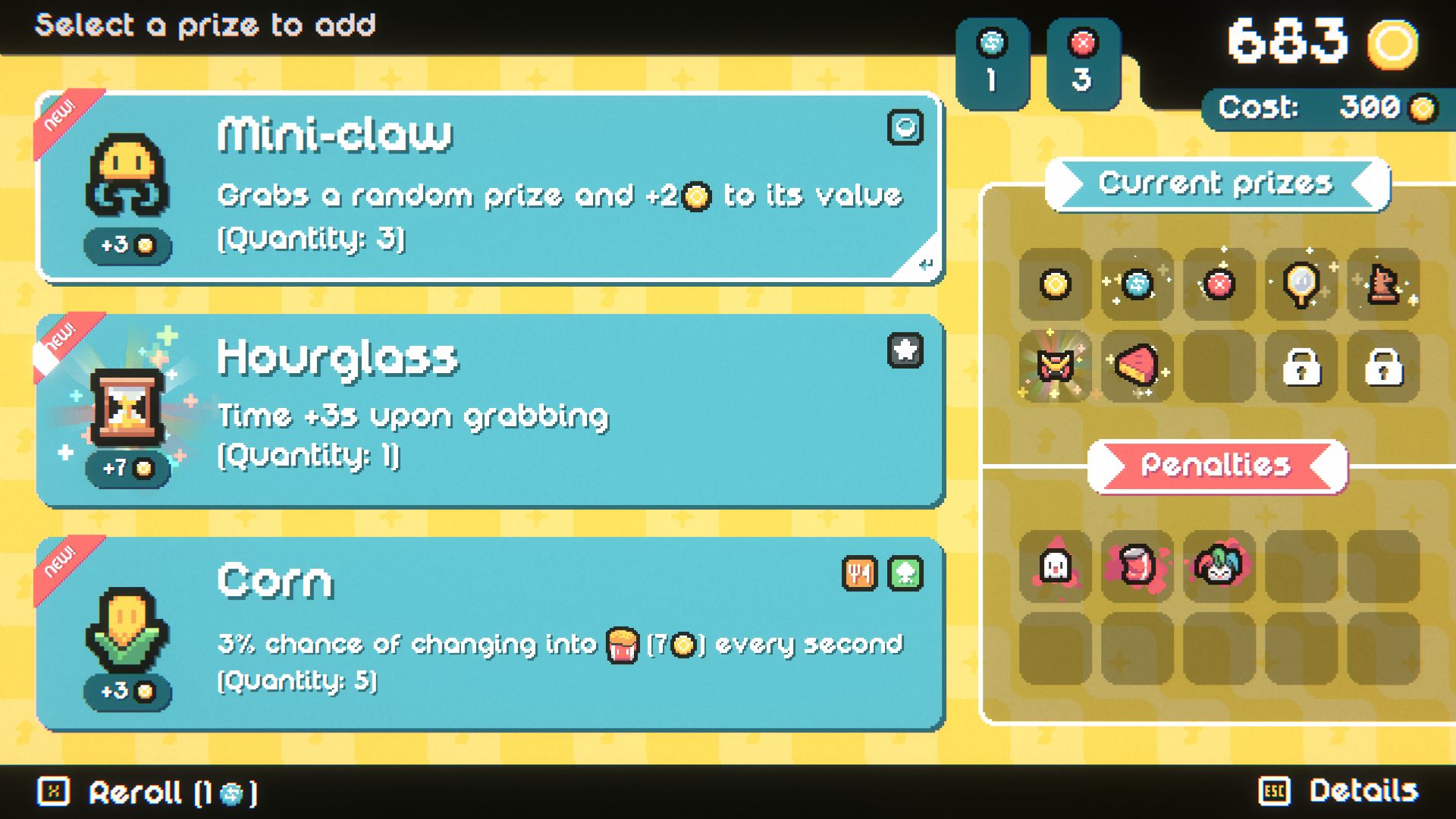
“Originally, Cupiclaw was meant to be a simple collection game. But during development, I was also playing Luck be a Landlord, and it gave me the idea that a roguelike system could actually fit well with a claw machine game.
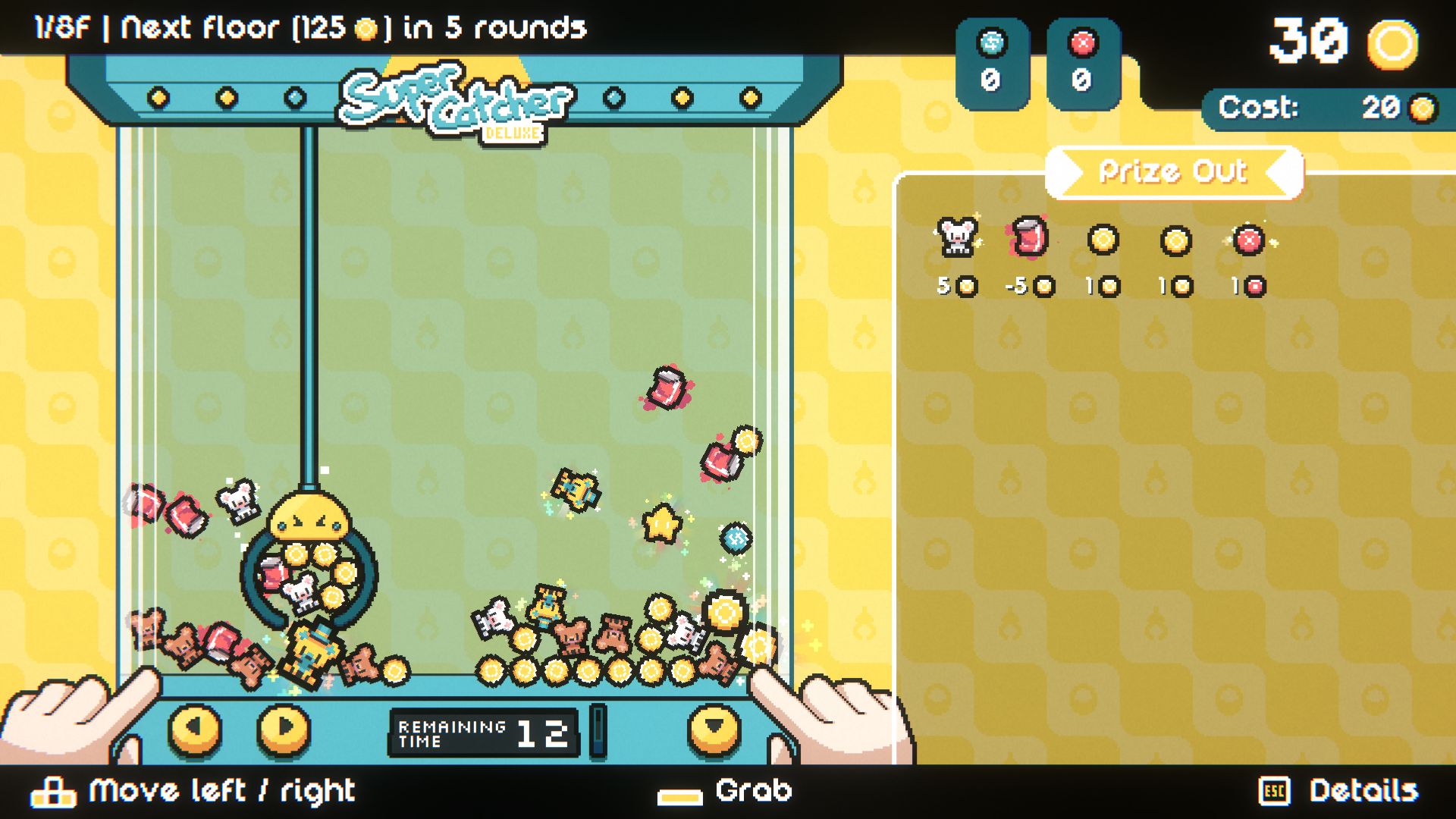
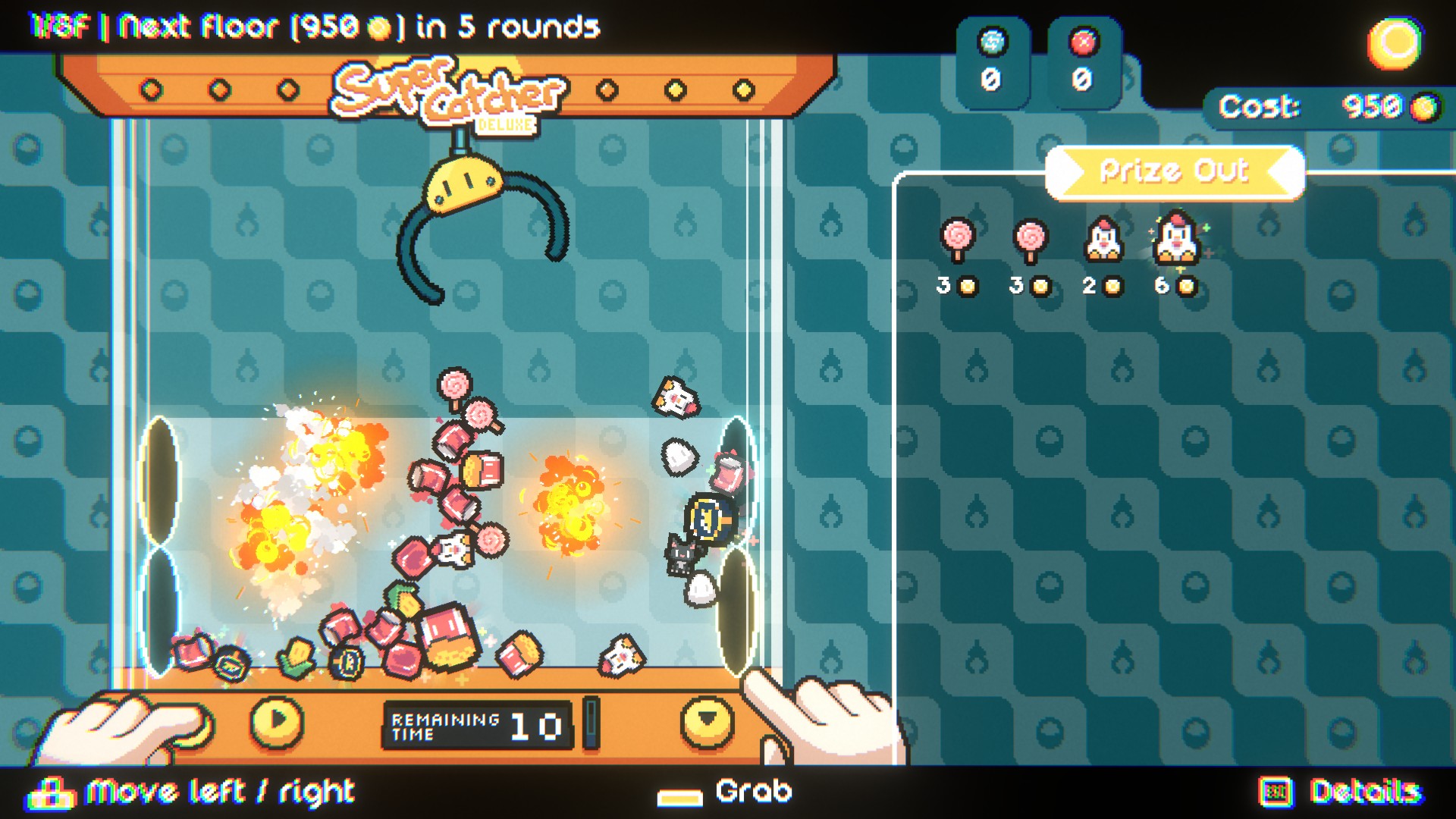
Instead of grabbing just one prize, I decided to twist the gameplay so you can grab multiple prizes at once. That naturally creates combos and synergies, making the experience deeper and more exciting.
And it also solves the biggest frustration of real claw machines (not getting anything at all), by making every run feel rewarding.”
The addition of roguelike and deckbuilding elements makes Cupiclaw feel less like a gamble and more like a carefully orchestrated puzzle, while still maintaining the thrill of “the catch.”
The Engagement Ring and Beyond
At the core of Cupiclaw lies a narrative goal: securing the engagement ring. But Typin teased that the journey doesn’t simply end there.
“Since that’s very tied to the game’s story, I’d rather let players discover it for themselves. What I can say is that the game doesn’t simply end after getting the ring.”
This leaves players with a mystery, suggesting that the claw’s journey holds more surprises than the initial premise reveals.

A Playful Nintendo DS-Era Style
Cupiclaw stands out visually, with expressive emotes and a claw that feels alive. Every detail, from assets to animations, was crafted by Typin himself.
“I drew all the assets myself. One of the very first ideas I had was to give the claw a range of expressions, to bring more personality to the game (especially since you don’t really see other characters on screen).
Visually, I wanted the game to feel a bit like a Nintendo DS-era title: simple, colorful and playful.
Part-Time UFO and the Crane Fever minigame in Kirby’s Adventure were also big inspirations for the overall look and vibe.”
The result is a game that feels nostalgic yet contemporary, melding classic handheld charm with modern roguelike design.

A Final Word From the Developer
With development nearing completion, Typin shared a message for those excited about Cupiclaw’s release.
“The game’s development is nearing completion and I’m taking the time to polish it. Thank you so much for your patience and support, it really means a lot!
I truly hope you’ll enjoy the final version when it’s ready.”
Cupiclaw combines claw machine chaos and heartfelt storytelling in a way that arcade and roguelike enthusiasts alike won’t want to miss.