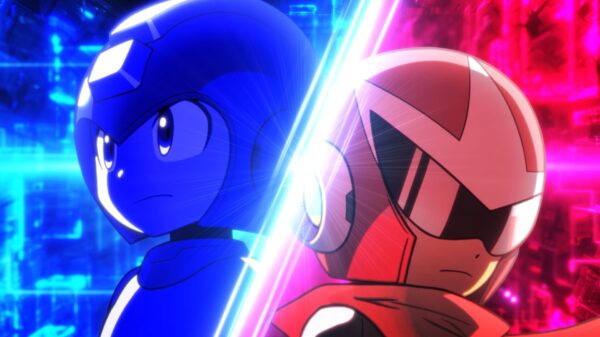









































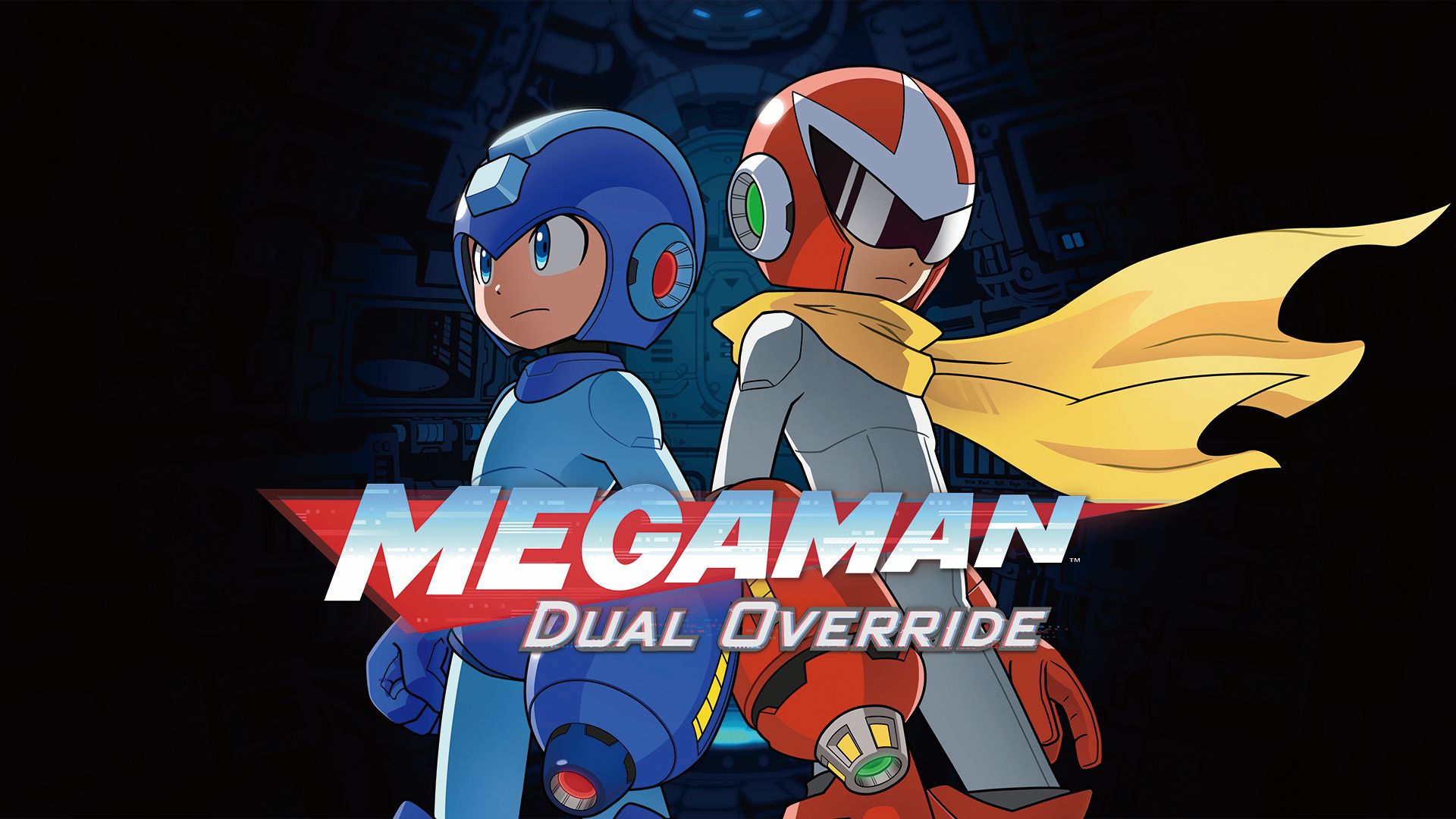

Mega Man: Dual Override marks the Blue Bomber’s return with familiar platforming, challenging boss fights, and a chipset system that gives players greater control. My hands-on demo was the first playable look at Mega Man: Dual Override since its reveal at The Game Awards. The demo covered the first three areas of Twinkle Girl’s stage before ending with a difficult fight.
The Blue Bomber Is Back
Mega Man: Dual Override players like the classic games. Mega Man can fire projectiles, charge his Mega Buster, and dash through hazards. The controls felt familiar, but the levels still required careful timing. Enemy placements and platforming hazards pushed me to mix charged shots, quick movements, and well-timed jumps. I could also collect bolts while moving through each level. These gave me another reason to check out the surrounding platforms instead of heading straight toward the exit.
Chipsets Let You Pick Your Support
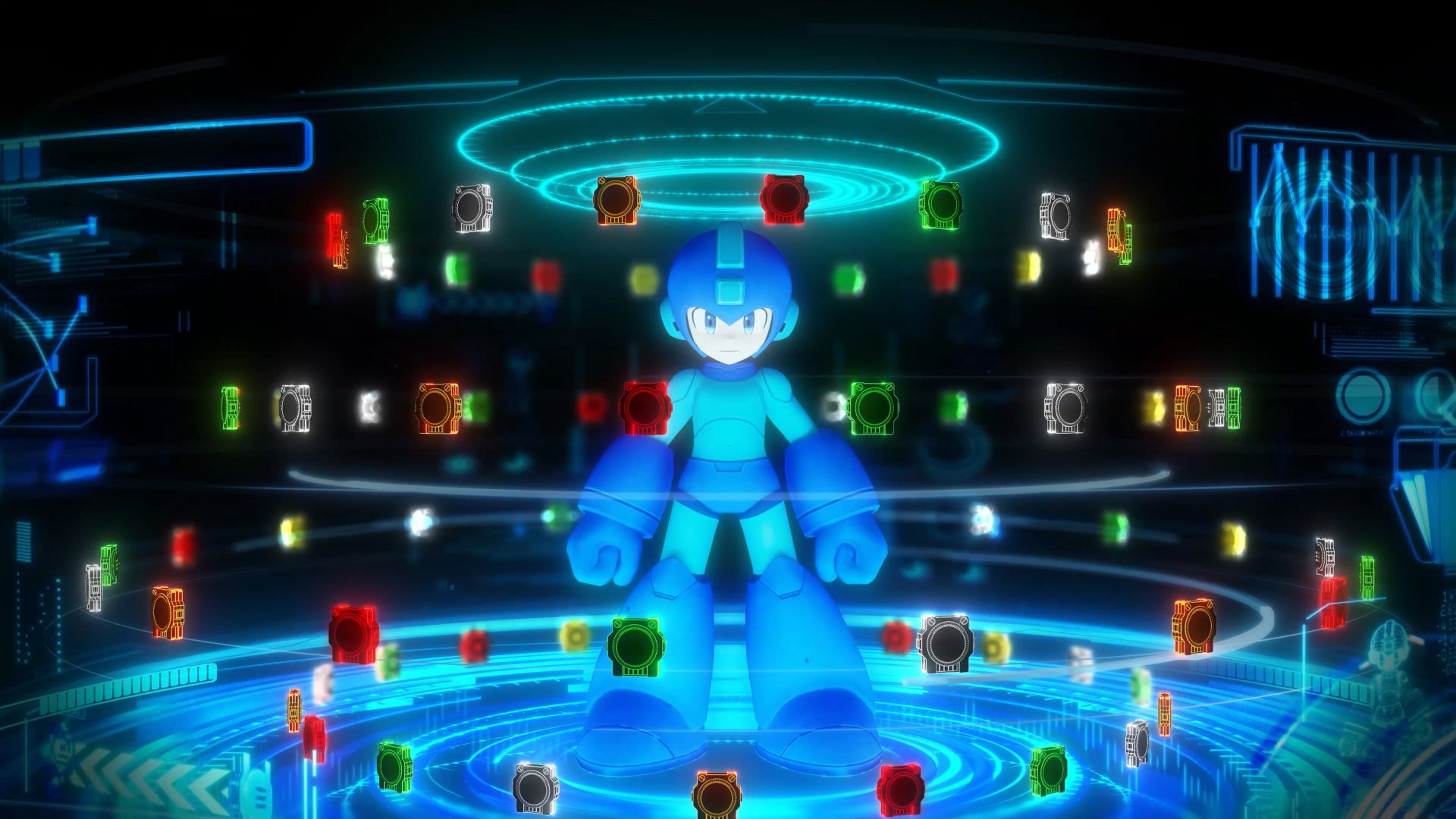
The chipset feature was the most notable addition in the demo. Before entering a level, you can select a chipset that supports a specific playstyle. The demo included defensive and offensive options, along with the choice to play without chip support.
One chipset provided a temporary defensive barrier that protects Mega Man from damage. The offensive chipset grants auto-charging and double-charged shots. I found these options helped me compensate for a difficult section or support a preferred approach.
Selecting no chip support preserves Mega Man’s standard abilities and gives him access to Rush Coil. Calling in his robotic dog companion lets Mega Man perform a double jump, adding another movement option for platforming and avoiding attacks. Each selection comes with a tradeoff. You can gain added protection, improve your offensive capabilities, or skip chipset support to gain extra mobility through Rush Coil. Changing chipsets between levels encouraged me to try out new strategies rather than stick with one setup throughout the demo.
Override Is Powerful but Risky
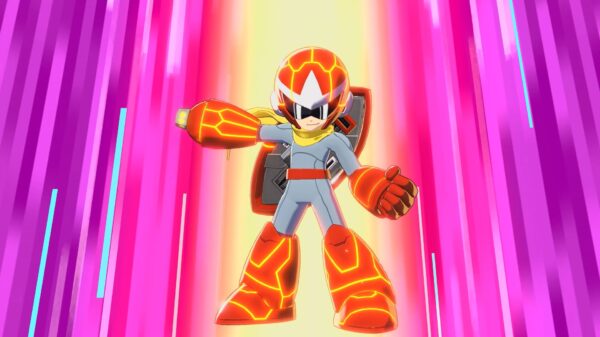
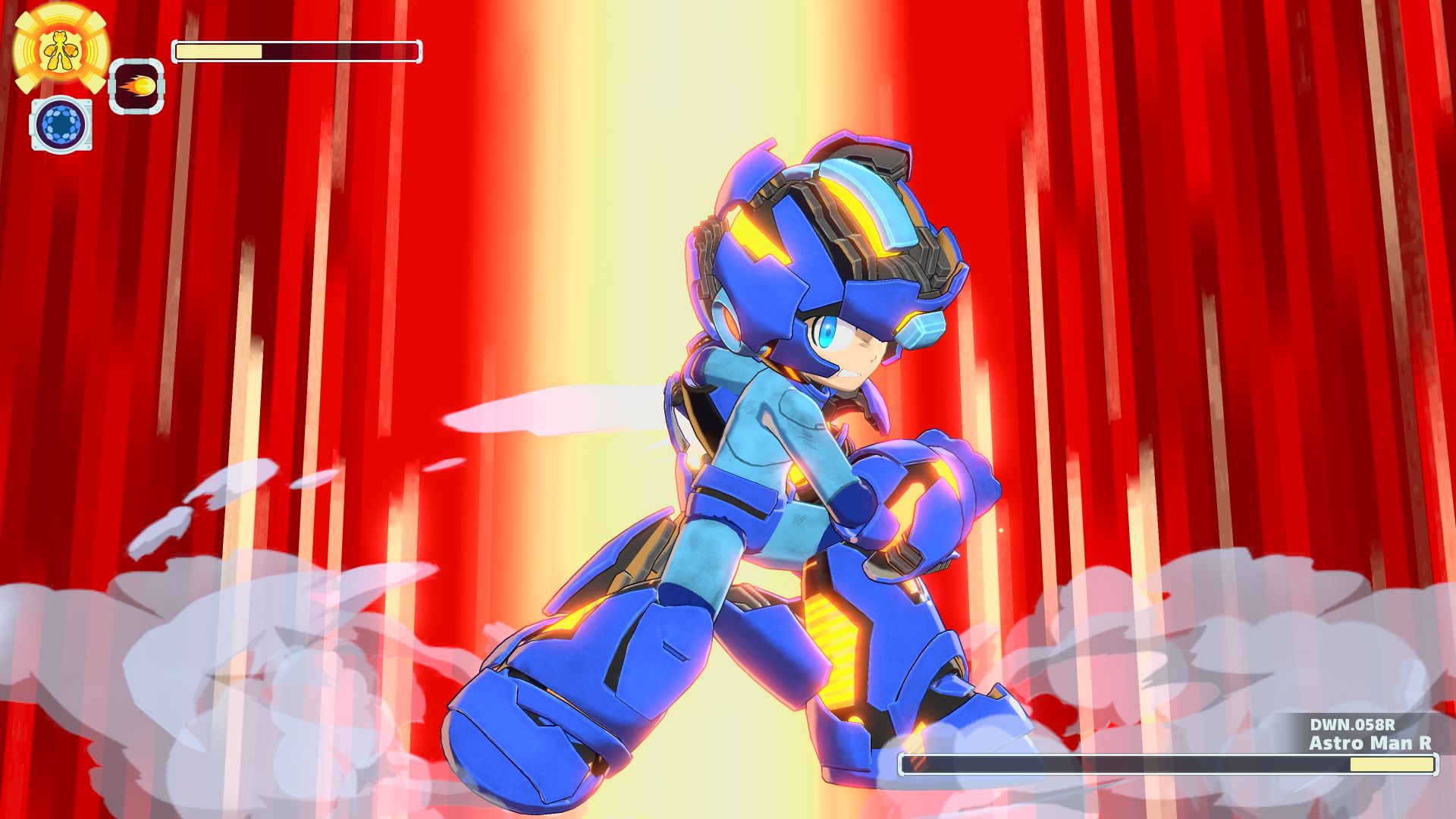
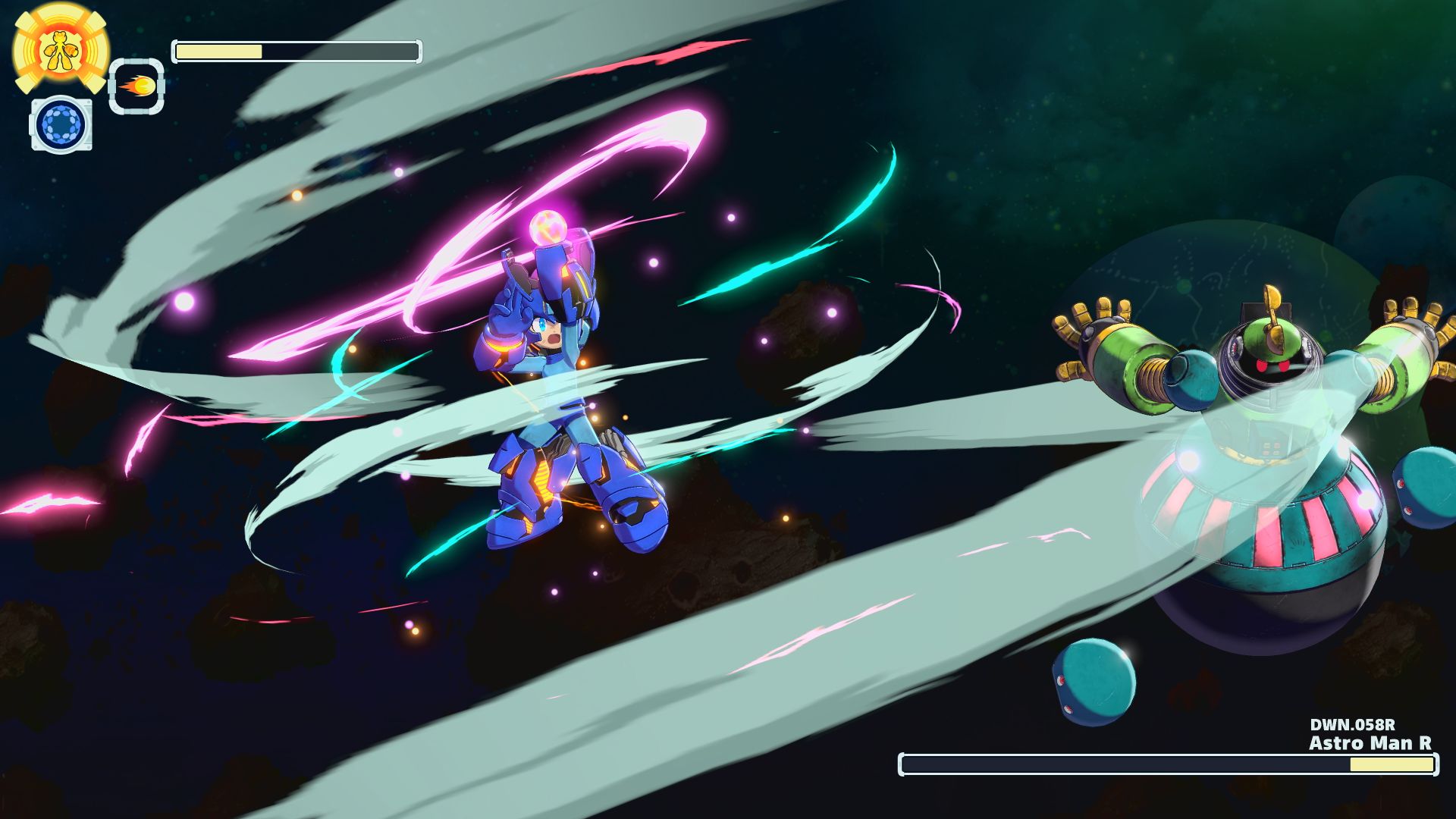
Override serves as Mega Man’s ultimate ability. Activating it can provide a major advantage, but it leaves Mega Man vulnerable. This consequence makes timing important. Override can help you deal with a dangerous situation, but activating it at the wrong moment may leave Mega Man exposed to an enemy attack. It adds another decision to combat without replacing the standard weapons and movement options at the core of the Mega Man game.
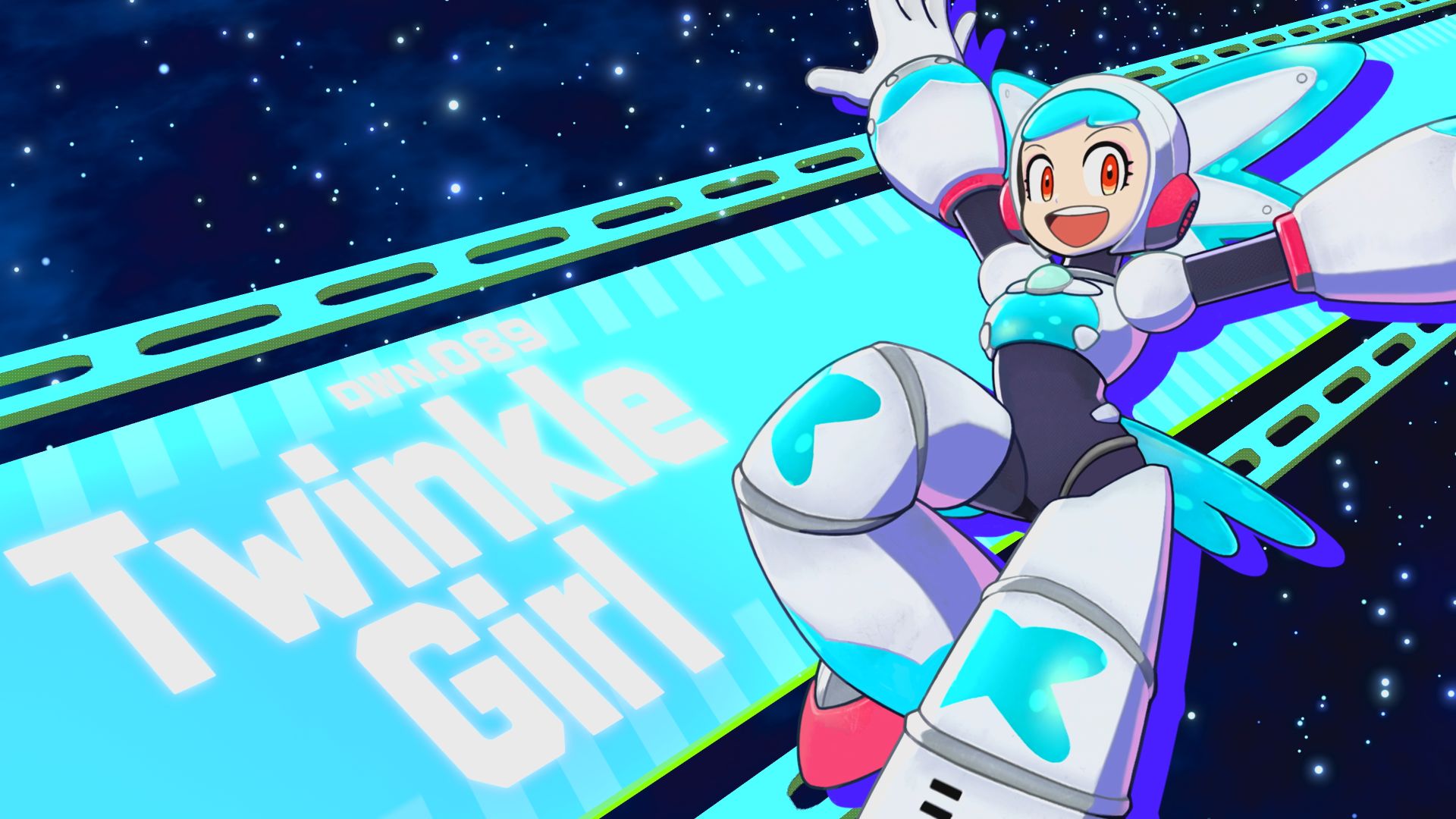
Twinkle Girl Tests Your Timing
The demo ended with a fight against Twinkle Girl, and it was difficult. Her attacks tested my ability to recognize patterns and time my movements. My chipset selection also affected how I handled the battle. The defensive barrier could cover a mistake, while the offensive power supported a more aggressive approach. Twinkle Girl punished careless moments, and her projectile attacks required me to watch her patterns, find safe zones, and decide when to use charged shots. The battle also illustrates how the chipset system can change your approach without removing the precision expected from a boss fight. Visually, I liked how both Mega Man and enemies start to show physical damage as their health dwindles, creating a sense of urgency to end the fight as soon as possible.
A Familiar Formula With New Options
My time with Mega Man: Dual Override felt like Capcom is taking steps in the right direction, adding chipsets and the Override ultimately ability as new, tactical choices to build on an already solid foundation.
Mega Man: Dual Override releases in 2027 for PlayStation 4, PlayStation 5, Xbox One, Xbox Series X|S, Nintendo Switch, Nintendo Switch 2, and PC.