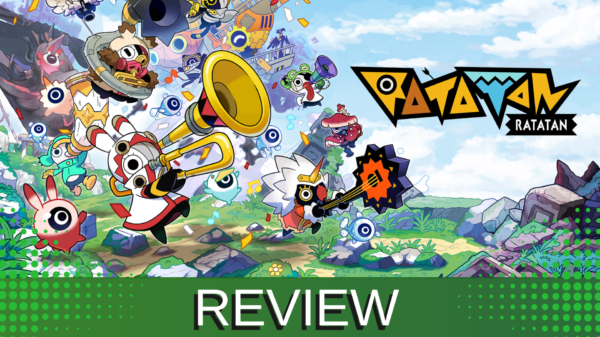






























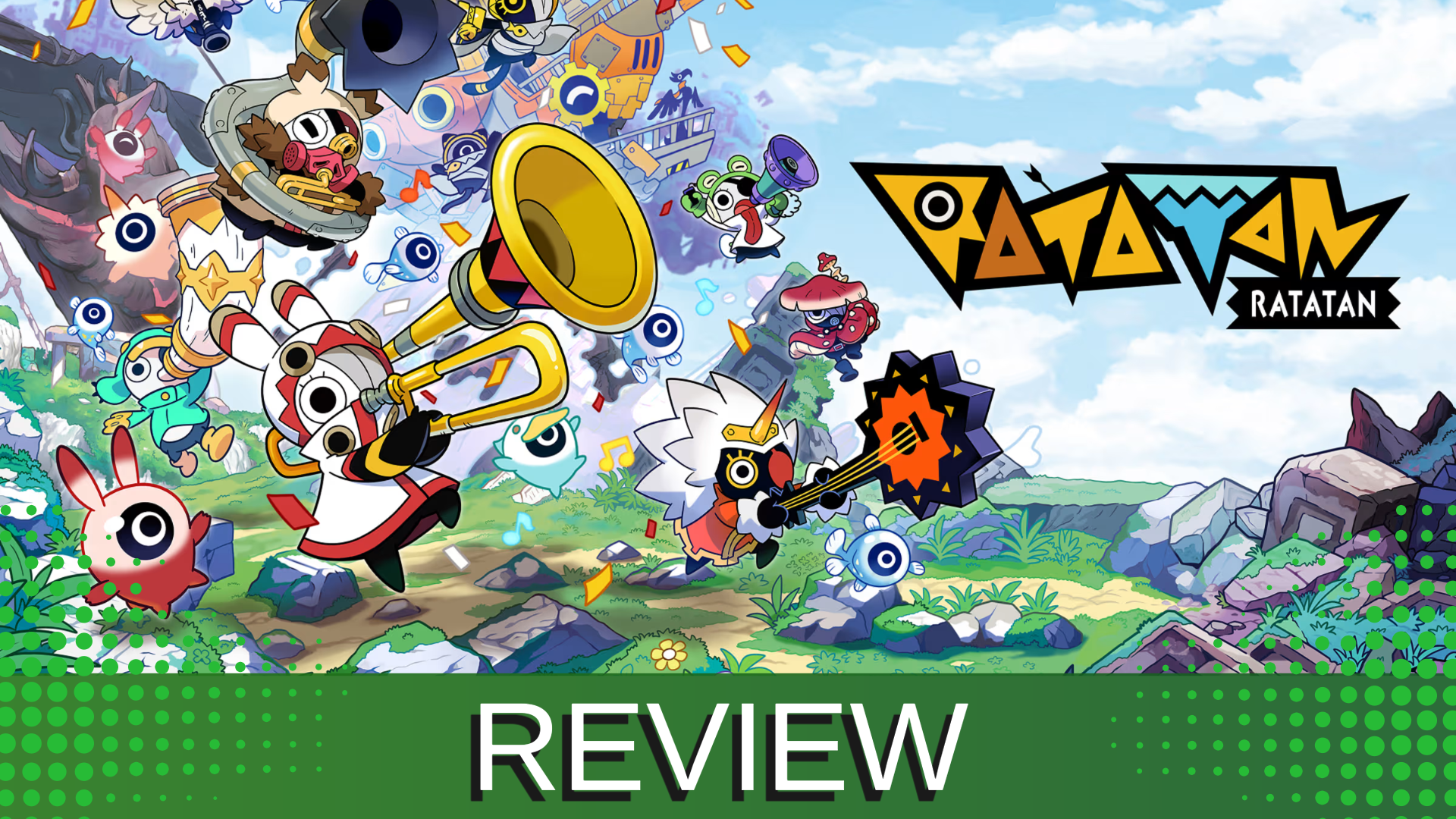

Ratatan has much of what made Patapon so good in its DNA, though the roguelike twist freshens the package up a tad. The presentation, weird dialogue, and beats are grand, and though your first few runs will be a bit slow for my tastes, once you’ve started gathering upgrades and the like, Ratatan proves itself to be a very competent spiritual successor.
I loved the first two Patapon games as a teenager (regrettably, I never tried Patapon 3 beyond its demo), as it was one of Sony’s many strange and creative series on the PSP. Like many such franchises, it has since disappeared into PlayStation’s extensive back catalog, but I never forgot it. Enter Ratatan, the spiritual successor to Patapon from its creator, Hiroyuki Kotani. Though the game launched in Early Access in 2025, it’s officially hit 1.0, so now’s the perfect time to check it out.
The biggest difference between Ratatan and the games it spawned from is its roguelite styling. Rather than level-based gameplay, Ratatan has you go as far as you can in a run through different themed areas, each capped off with a boss fight. Though I feel that roguelites have become perhaps a little too prominent in recent years, the structure works well with the core gameplay here for the most part.
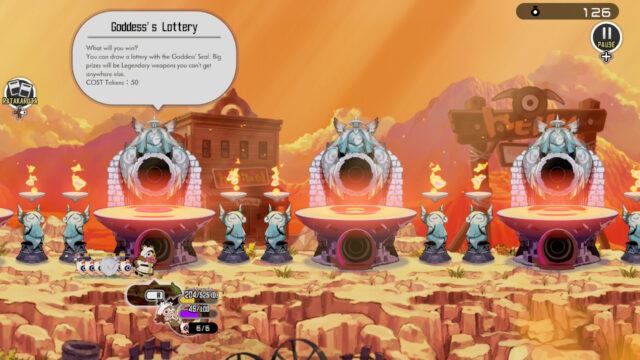
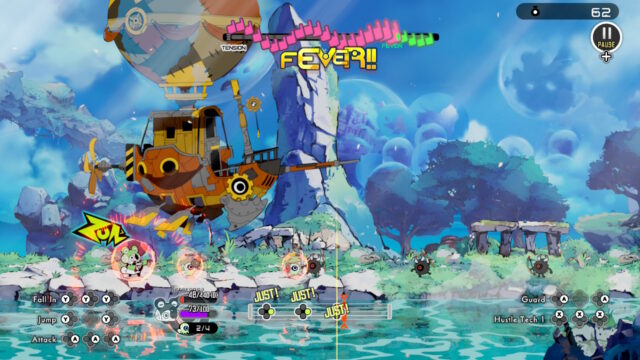
Your goal is typically to trot from the left side of the screen to the right, often while battling enemies, all while issuing commands to your little Cobun to a consistent beat. Different combinations of the three sounds make for different commands, such as “falling in,” attacking, jumping, and guarding. It’s easy to get the hang of, especially if you have any experience with Patapon, and it’s ridiculously satisfying to get into a proper rhythm as your Cobun go nuts on the enemies before you. As with Patapon, this offers a unique rhythm gameplay you don’t see often, so I’m glad it’s carried over into this new form.
That being said, the first few runs of Ratatan feel pretty slow. Until you unlock upgrades and currency, it takes a while to beat most enemies, and you’ll likely lose fairly early a couple of times. Once your runs become more iterative, with more items coming out of each one, the title finds its proper flow and becomes a much more enjoyable venture. Getting there may test your patience a bit.
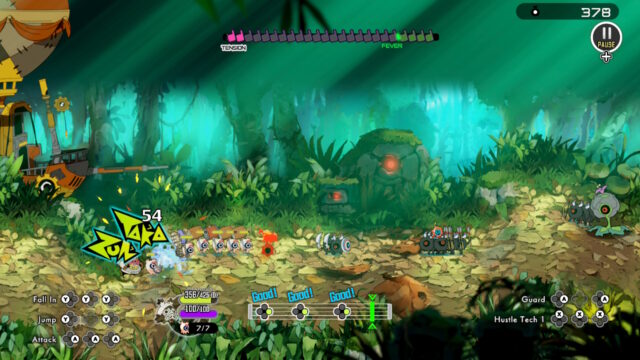
Ratatan has charm to spare in its audio.
It would be a bit silly not to delve into Ratatan’s sound design, which is top-notch. Each playable character’s voice is delightfully charming, bringing its own energy to the three vocal commands. Similarly, the Cobun seem to be voiced by actual children, giving them an adorable vibe as they waddle behind you. Overall, the game is an auditory joy at pretty much all times, which is exactly what you hope for from a sound-based rhythm game.
Visually, Ratatan has a lot going for it. The colorful, carnival-esque style pairs perfectly with the lively music at the core of the experience, and Ratatan and Cobun are well-designed and clearly distinct. The enemies and bosses are similarly distinct and full of smooth, cartoony charm, while the attack effects never feel too busy, despite plenty going on more often than not.
Good
The Final Word
Ratatan captures pretty much everything that made Patapon fun, though your mileage may vary on the first few runs. Once things get going, Ratatan lives up to its predecessor’s reputation, mixing a solid roguelite angle with its unique, incredibly satisfying rhythm-based gameplay. If you dig rhythm games, I recommend giving Ratatan a go, as it’s got plenty to offer that you won’t find anywhere else.




