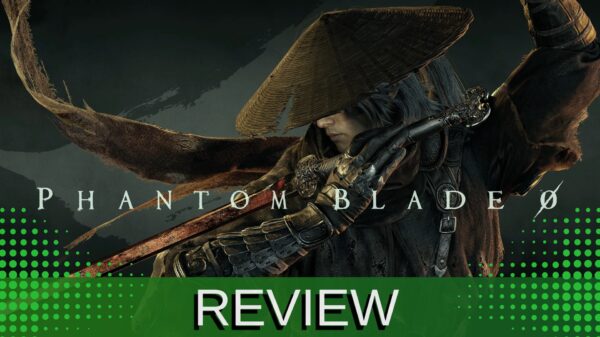
















Phantom Blade Zero is a masterful entry in the action genre, blending high-flying combos with heft and challenge that create beautiful choreography. While the main story lacks the momentum or substance to back up its convoluted storytelling methods, the art direction, incredible soundtrack, and character designs make the big moments hit with energy and vibe. The bizarre way the “optional” quests and actual side quests muddle what you need to do, Phantom Blade Zero delivers its best in spades when you have your hands on the sticks.
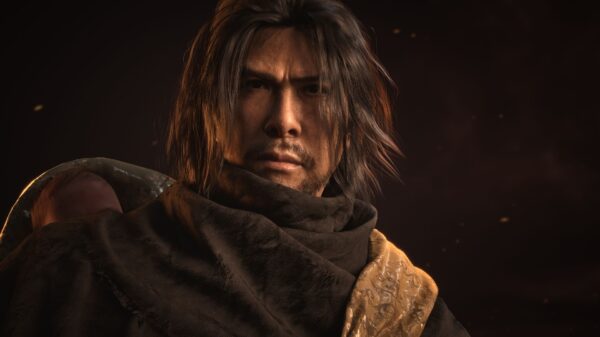
You play as Soul, a martial arts master framed for killing his master. You and your rival deliver the killing blow to each other at the same time. You’re both given a poisoned heart, offering 66 days of life. You explore the Wulin, meet former allies and enemies, and uncover a big conspiracy that threatens everything.
As a story, Phantom Blade Zero is flat. The constant flashbacks that move between weeks and days in the past mix and match a fairly simple plot into something that feels more convoluted. This doesn’t elevate the story; instead, it obscures simple facts as you get hit with a dozen proper nouns you’ll learn more about in the next cutscene. On top of that, you can find dozens of documents and papers, along with Memory Flowers, which provide even more. The result is a world that’s more interesting in a wiki than in the actual experience itself.
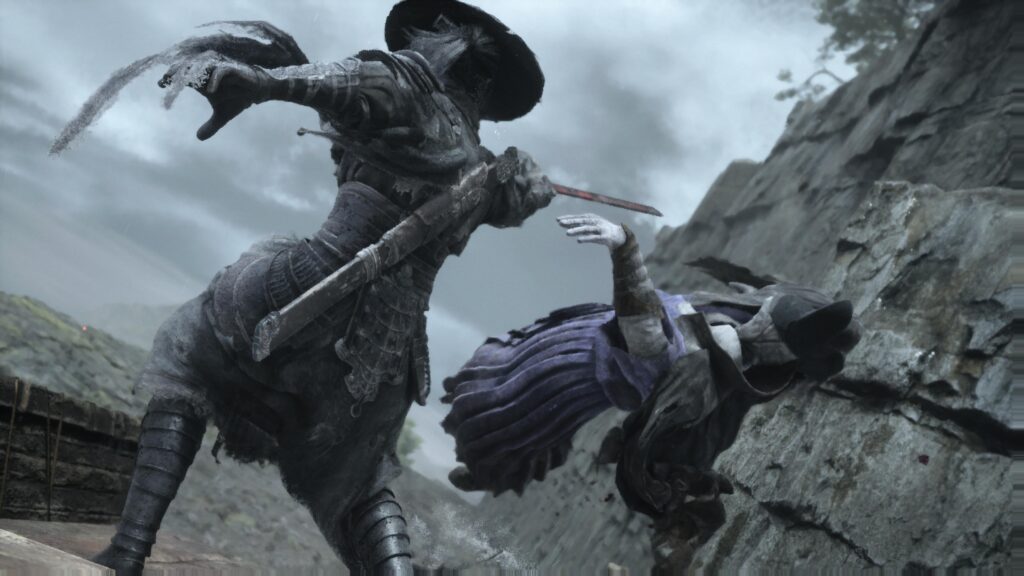
That said, you won’t care too much about the story being sauceless, because everything else Phantom Blade Zero has to offer has the sauce. It even extends to the setting, art direction, and combat choreography. I might not care about the exact details of Soul’s relationship with Mu Xiaokui, the Young Mistress of the organization he supposedly betrayed, but when the soundtrack hits, with guitars and traditional music blending together, and the flurry of attacks comes flying in, it’s as exciting as the best action movies you’ve seen.
The variety of bosses is fantastic, with a wide range of designs and cool mechanics. One of my favorite examples is an enemy that fires both red and blue projectiles at you. You must dodge red attacks and parry blue ones, and the only way to break their shield and deal damage is to parry the blue attacks. It creates a clear feedback loop, while constantly shifting how you approach an enemy.
The combat is the star of the show here. Inspired by Wuxia (Chinese martial arts and chivalry) storytelling, it has the look and feel of high-flying wire work and precise martial arts movements. Selling this visually is one thing, but selling that feeling through combat is what makes it shine. Every weapon in Phantom Blade Zero is different. Not just in stats and abilities, but they have unique combos and attack patterns. It’s not just weapon types either; I moved through several dual-blade options throughout my time, and each one felt wholly unique.
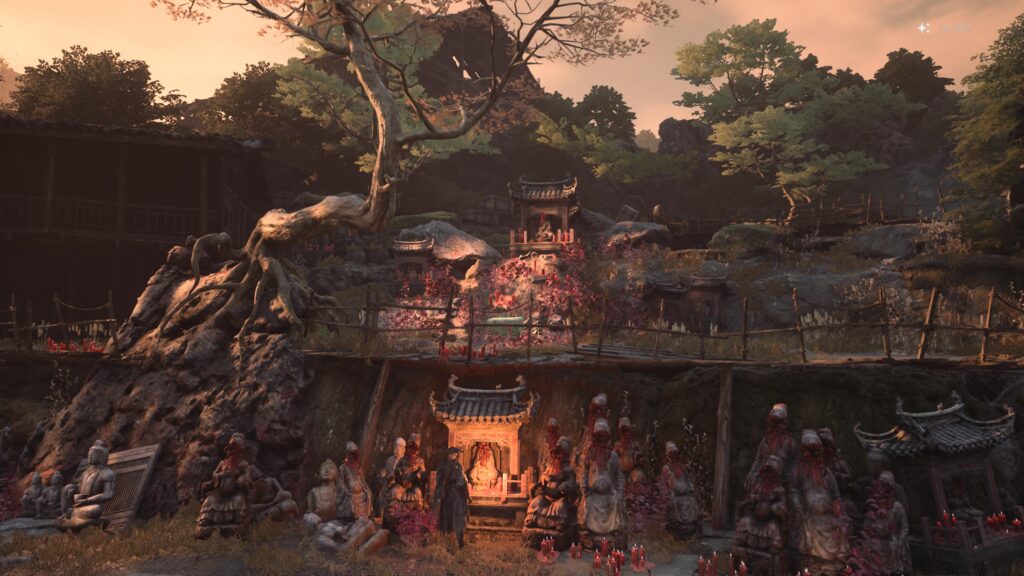
Phantom Blade Zero uses a stamina bar-like system called Sha-Chi, the energy that powers martial arts. Your basic attacks fill your bar, while special attacks drain it. This bar is also what empties upon blocking or taking damage, forcing you to do some meter management. The upside is that you can equip two weapons at once, and you refill your meter entirely when you quick swap, even if your stance was broken. It encourages being aggressive, which makes the challenging boss fights still have that high-energy feel after multiple attempts.
This is where the dodge and parry system comes into play. On controller, these are on the left and right bumpers. It becomes clear why this is the case, as enemies and bosses will move between regular attacks, ones that have to be dodged, have to be parried, and even ones that require you to fully clear the area. With a slightly more forgiving window than hardcore action games, you can find yourself in a rhythm much more easily than the visuals might make you think. All of this is in service of making you feel and look as cool as possible while battling bosses and tearing through normal enemies.
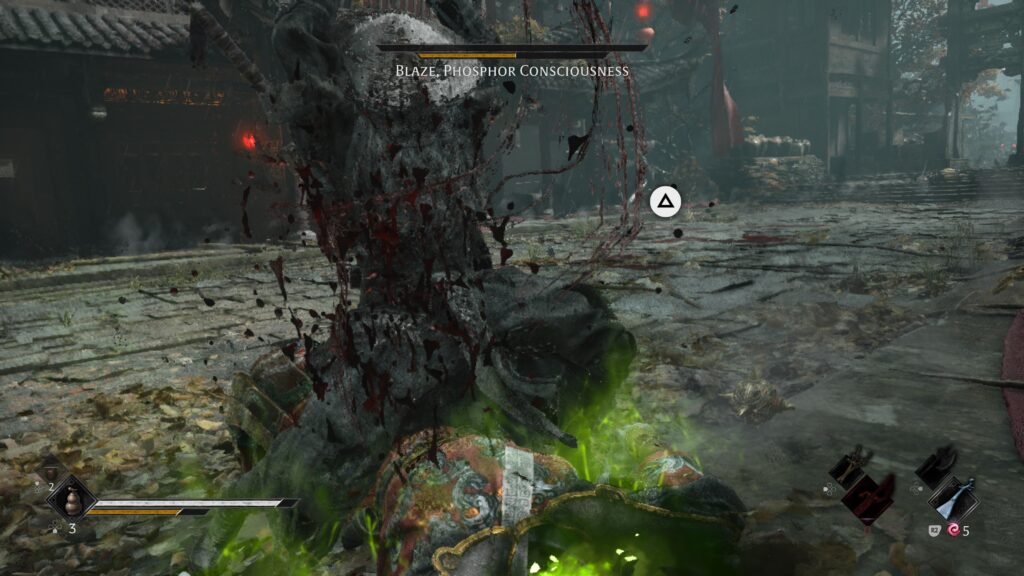
The consistent variety of enemies throughout the fairly lengthy experience, along with constantly finding new weapons, keeps up the feeling of freshness. It’s also simple, and in the cases where an item was required, fairly inexpensive, to undo weapon upgrades so you can easily move your resources to a new toy whenever you find one. This same ease applies to the Phantom Edges, which serve as special attacks with a limited number of uses. You can have two of these as well. My two favorites were the giant axe, which obliterated heavy shields, and the Fire Meteor, which consists of two green fireballs on the ends of a chain that can be swung at enemies.
These Phantom Edges, which are obtained from boss fights, also unlock new traversal abilities in the world. This adds a light search action feel to the world exploration. The level design of Phantom Blade Zero feels like a wide-linear experience. You follow long, winding paths that intersect and connect with shortcuts, but often the levels feel much larger than they are. The unlocking of new areas is largely meant to gate access to fights and quests, while also giving you a reason to explore an area after clearing it. It deflates the excitement of a new Phantom Edge a bit once you realize the exploration is often story-based or leads to a small area, but getting to use them in combat makes up for it and then some.
Phantom Blade Zero is long for an action game of this ilk, especially when you factor in the time it takes to complete all of the “optional” quests if you want anything other than the bad ending. I came in at 36 hours, but whenever I felt fatigued or like it outstayed its welcome, a new combat treat, electric song, or weird boss enemy was just around the corner to bring me right back in. There’s far too much time spent on the main plot, given its tedium, but I’m willing to forgive a bad story for gameplay and art direction this exhilarating.
Great
The Final Word
There have been many games that have looked and been pitched like Phantom Blade Zero over the past decade, but make no mistake, it’s in a league of its own. The excellent combat system feels unique, offering tons of variety and depth in its fast-paced action. The story doesn’t offer much of interest, but the world, character designs, and choreography will have you fully invested whenever someone isn’t talking. I wanted to see everything Phantom Blade Zero because the reward of new weapons and boss fights was always enough to keep me coming back.