


























It’s the final day of PAX West 2026. We’re tired, but it’s been worth it to check out so many cool things all weekend. We’ve got one final batch of stuff for y’all that we think you’ll dig.

Cohen 1939
Developer: Cube of Cube | Platforms: PC | Release Date: September 30, 2026
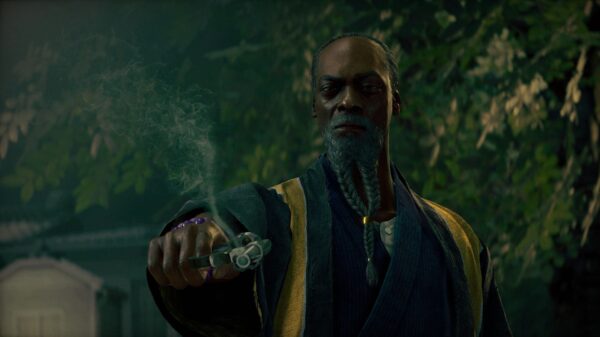
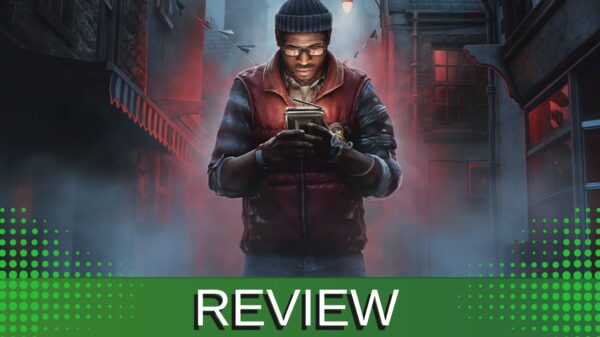
Do you like Hotline Miami? What about Peaky Blinders? Well, you’re in luck because Cohen 1939 is a wonderful marriage of the two.
Set in Birmingham, Cohen 1939 puts you in the shoes of Elisa, a widow out for revenge after her husband is betrayed and killed. That’s all the plot I needed before jumping straight into things and smashing heads.
True to its influences, Cohen 1939 is a top-down action game where it can all end in a single hit. I worked my way through buildings and dockyards, finding the most efficient path through the hordes of goons on each floor. Using anything I could find as my arsenal, I swung bats, threw knives, and, when lucky enough, fired guns as I made my way through Birmingham’s criminal underground.
The combat is fast, and the gameplay feels smooth, with death never feeling unfair. Elisa has a pet bird that can give you a good scope of the level before you choose to engage, so you can really plan out your movements well in advance. Anytime I died, it was because I either had the wrong weapon on me at the time, or I forgot about an enemy I should’ve remembered.
If you’re a fan of these sorts of high-action, top-down games, then you should make sure to keep an eye on Cohen 1939 when it releases later this month.
Persona 4 Revival
Developer: P Studio | Platforms: PC, PlayStation 5, Xbox Series X|S, Switch 2 | Release Date: February 18, 2027
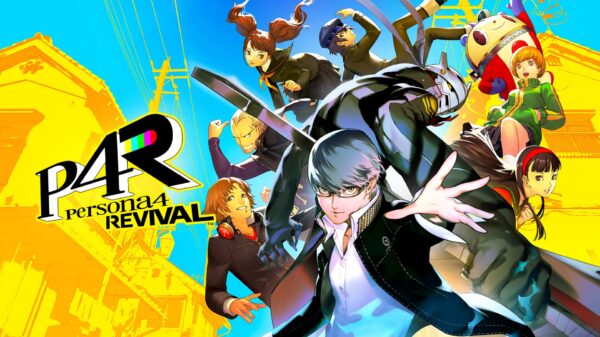
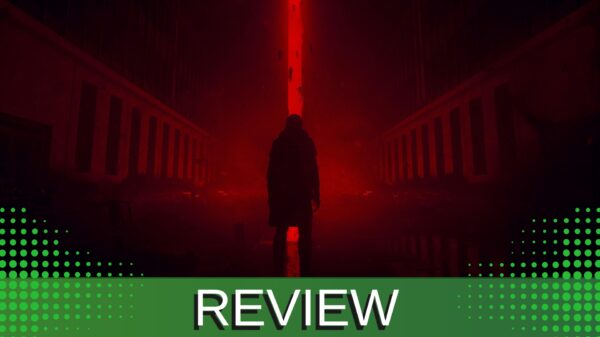
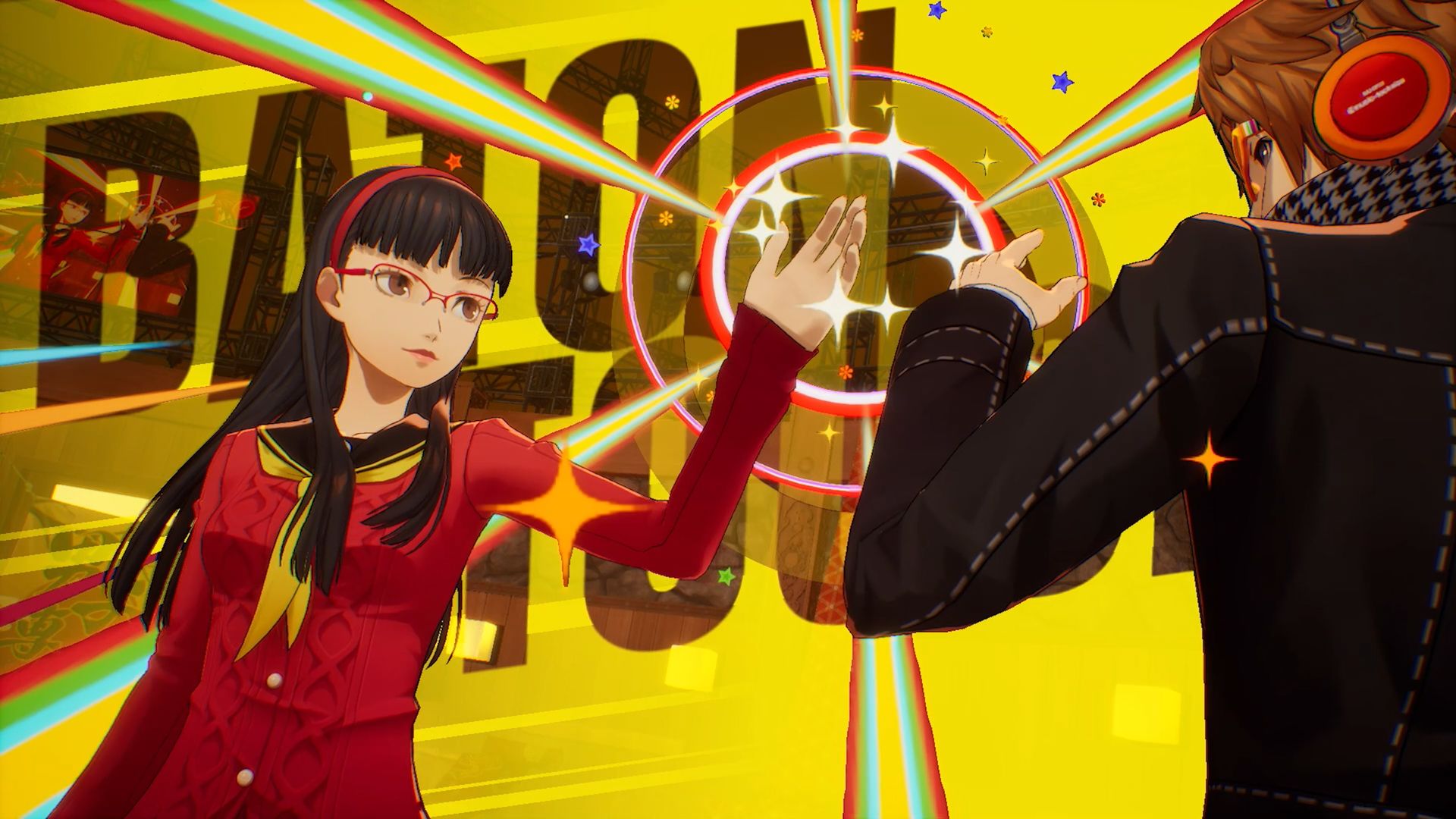
My time with Persona 4 Revival was brief, but good. I got to run through a quick 15-minute dungeon segment to see some of the updates that Revival has compared to Persona 4 Golden. What immediately impressed me was how gorgeous the game looked. I played a lot of Golden on my Vita back in the day, and even the PC port looks nowhere near as gorgeous as Revival does. I’ve always loved Persona 4’s art style the most out of the series, and Atlus has done a great job improving upon it.
Gameplay-wise, Persona 4 Revival plays mostly the same, but with some much-appreciated updates. One of the biggest additions is Persona 5’s Baton Pass mechanic, where you can give your extra turn to target an opponent’s weakness to an ally. Secondly, you can now press the guard button while exploring dungeons to protect yourself from a shadow’s attack.
I unfortunately didn’t get to try out Revival’s other two new mechanics: Prime Time (which lets you fill a meter to perform actions for zero cost) and Send Flying (which lets you spread status ailments into other enemies by knocking them into each other). But I didn’t mind this all too much, since I just needed a brief taste of Revival to see what was new. It’s more Persona 4; I’m already excited for it by default.
My demo culminated in the Shadow Chie boss fight, which took no time to mop up. Thankfully, Persona 4 Revival is looking to be a fantastic remake of what’s probably one of my all-time favorite RPGs.

Stranger Than Heaven
Developer: RGG Studio | Platforms: PC, PlayStation 5, Xbox Series X|S | Release Date: January 15, 2027
I’ve been eagerly anticipating getting to play Stranger Than Heaven, but it seems like I might have to wait a bit longer than I hoped. My demo at PAX West was a series of three combat scenarios set in three different time periods of the game.
Each encounter escalated in difficulty and was a chance to understand the game’s interesting combat controls, which differ heavily from the Yakuza series. Essentially, you’re controlling both of your arms independently in a fight: the left bumper and trigger are your light/heavy attacks for your left arm, and the right bumper/trigger are the light/heavy attacks for your right arm.
This applies to blocking as well, since you need to hold block, and then hold the corresponding bumper to block from the left or right; or you can hold both to block from either direction. It’s a really interesting system that let me mix up combos as I alternated between light and heavy attacks on either arm. If you’re savvy enough, you can even perform dual actions like punching with one arm while blocking with the other.
And that was the extent of my time with Stranger Than Heaven. It was cool to get a peek at the combat, but it was only the slightest of peeks, and it left me hungry for more.

Pocket Paragons: Rivals of Aether
I’m not gonna lie, I’ve never been the biggest board game fan. I had too many friends in college try to introduce me to modern board games, and they were just so sweaty and toxic about it that it kind of burned me on playing board games ever again. Which is a bummer because I really loved playing them as a kid. Thankfully, I’ve been learning to enjoy them again, and Pocket Paragons was a really neat one I got to try at the show.
Essentially, it’s a game of rock, paper, scissors but in card game format. You’ll choose a character (this set featured ones from Rivals of Aether), and basically try to play a game of bluffing as you and your opponent play cards, hoping to counter the other. There are three “affinities”: Strength, Agility, and Intelligence, with Strength beating Agility, Agility beating Intelligence, and Intelligence beating Strength. Each character deck has one of each affinity card, plus an extra of their desired affinity. Zetterburn, for example, specializes in Strength, so he has two Strength cards, whereas Orcane will have two Intelligence ones.
So basically, I’ll look at my hand and play a card facedown as my opponent does the same. Then we flip the cards at the same time and resolve whatever effects happen. Kragg’s Intelligence card, for example, allows you to heal 1 health if that card was countered. You repeat this process until one player loses all their life. Cards that are played are “exhausted” and put into a separate pile, so seeing what an opponent’s already played is key for determining what might be the best card for you to play next.
And that’s where part of the strategy already comes into play. If I’m playing Zetterburn, who already comes with two Strength cards, and my opponent is playing Wrastor whose affinity is in Agility, then I know I have two chances to immediately counter the card they play. Each character also has a passive ultimate ability, like Zetterburn’s ability to deal an additional 1 damage when you counter an opponent’s card.
It’s really neat, and most importantly, fast. Our game lasted a full ten minutes, so it’s definitely a great game to have on hand for a quick session. Overall, I was pretty impressed with how fun Pocket Paragons was, and eager to include it in future board game nights.

Tommyrot
Developer: RGG Studio | Platforms: PC | Release Date: TBD
Okay, so Tommyrot was something that caught the corner of my eye a few times when passing it on the show floor, so I had to eventually stop to check it out, and I’m glad I did. I only got a *very* brief look at the game, but it’s essentially a puzzle platformer where everything is handmade and animated with stop-motion. They actually had one of the models they used for animation for the character you play as there (he’s squishy in a very gross way). Essentially, you play as a children’s TV character who seems to have crossed over into the real world, where things aren’t as cheerful. It’s a weird game that wants you to feel as uneasy as the character you play as, and I can’t wait to experience more of it.