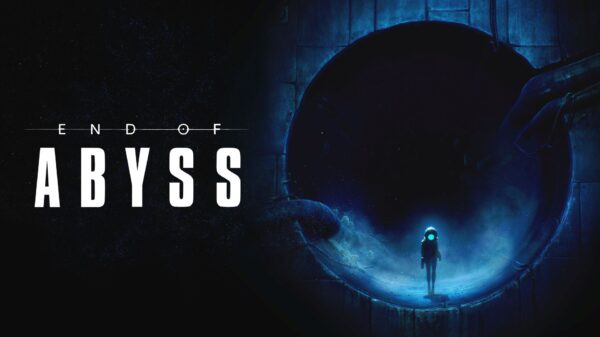




























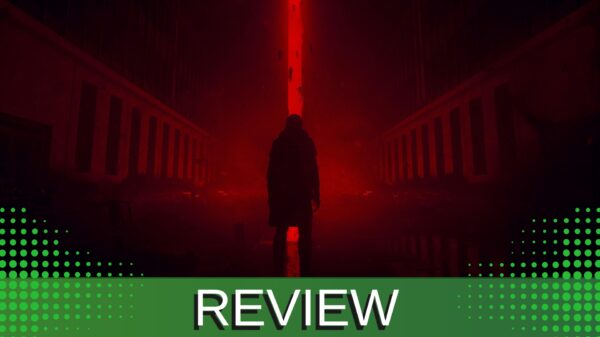






































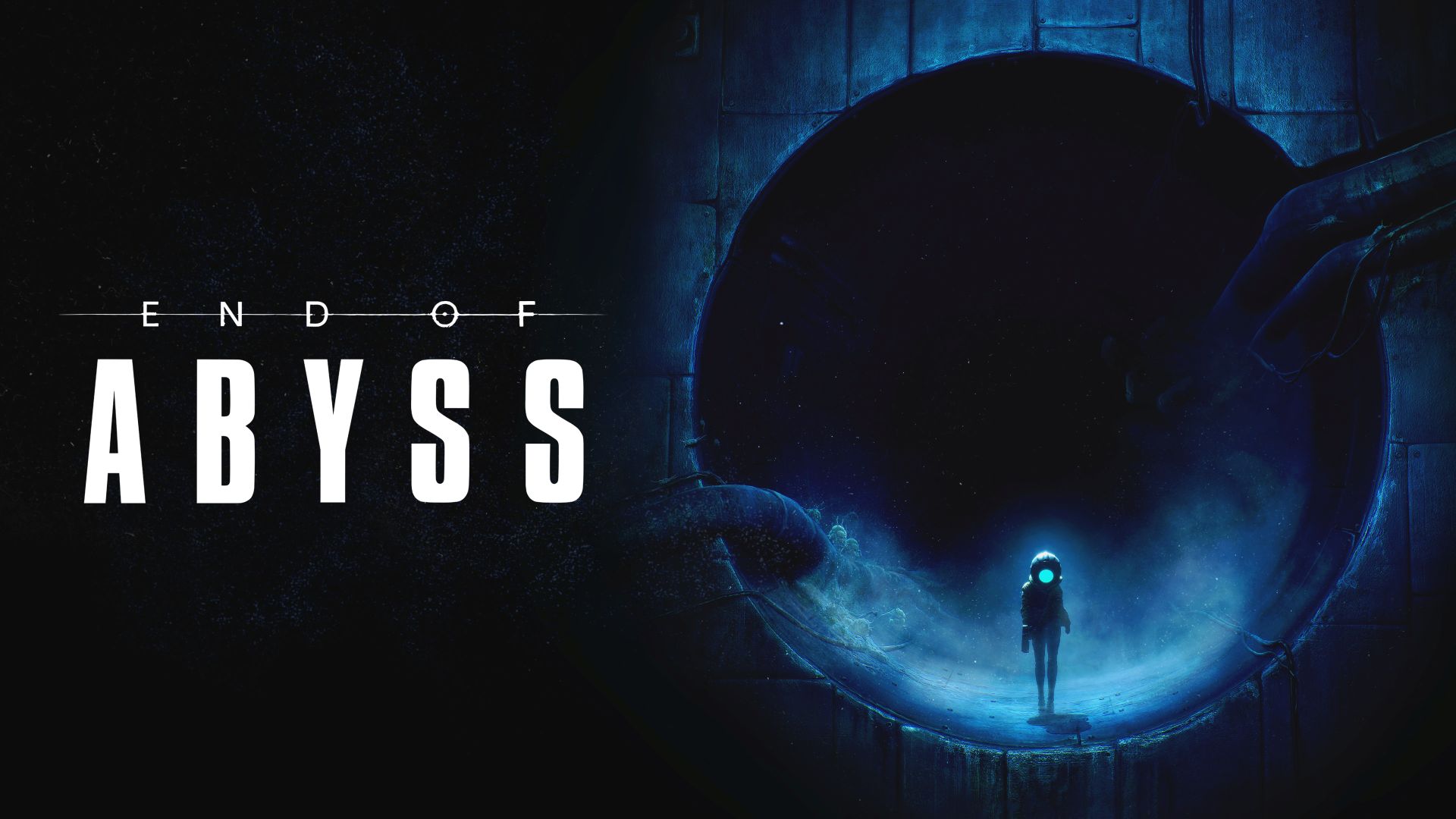

Developed by Section 9 Interactive, End of Abyss is an atmospheric action-adventure game that blends dark sci-fi exploration with tense, meaningful combat. After going hands-on with the demo, what stood out most wasn’t just the shooting. It was how every system seemed to be built around pushing you deeper into a facility that clearly did not want you there.
The demo dropped me a few hours into the game, after Cel, a young combat technician, had arrived at a mysterious underground compound to investigate disturbances of unknown origin. At this point, she has left her crew and needs to power up a reactor to open sealed doors elsewhere in the facility. The immediate goal was simple: activate three power cells, return to the reactor, and bring it online.
Naturally, nothing in End of Abyss is that simple.

The Scanner Is Your Best Tool
End of Abyss looks like a twin-stick shooter at first glance, but the scanner quickly became the most important part of the demo.
Cel can scan bodies, doors, elevators, terminals, desks, and other objects in the environment. Doing so marks points of interest on the map, tracks your progress, and provides information about what blocks your path. A locked door might require disabling a security system. An elevator might show which floor it connects to. A dead body might lead to fragments or lore.
This makes exploration feel focused instead of vague. You are not wandering through dark hallways hoping something opens but rather you are slowly reading the facility, marking what matters, and building a clear sense of where you need to return later.
A Broken Facility Built for Backtracking
End of Abyss is a game about exploring lost paths, and that came through clearly in the hands-on demo.
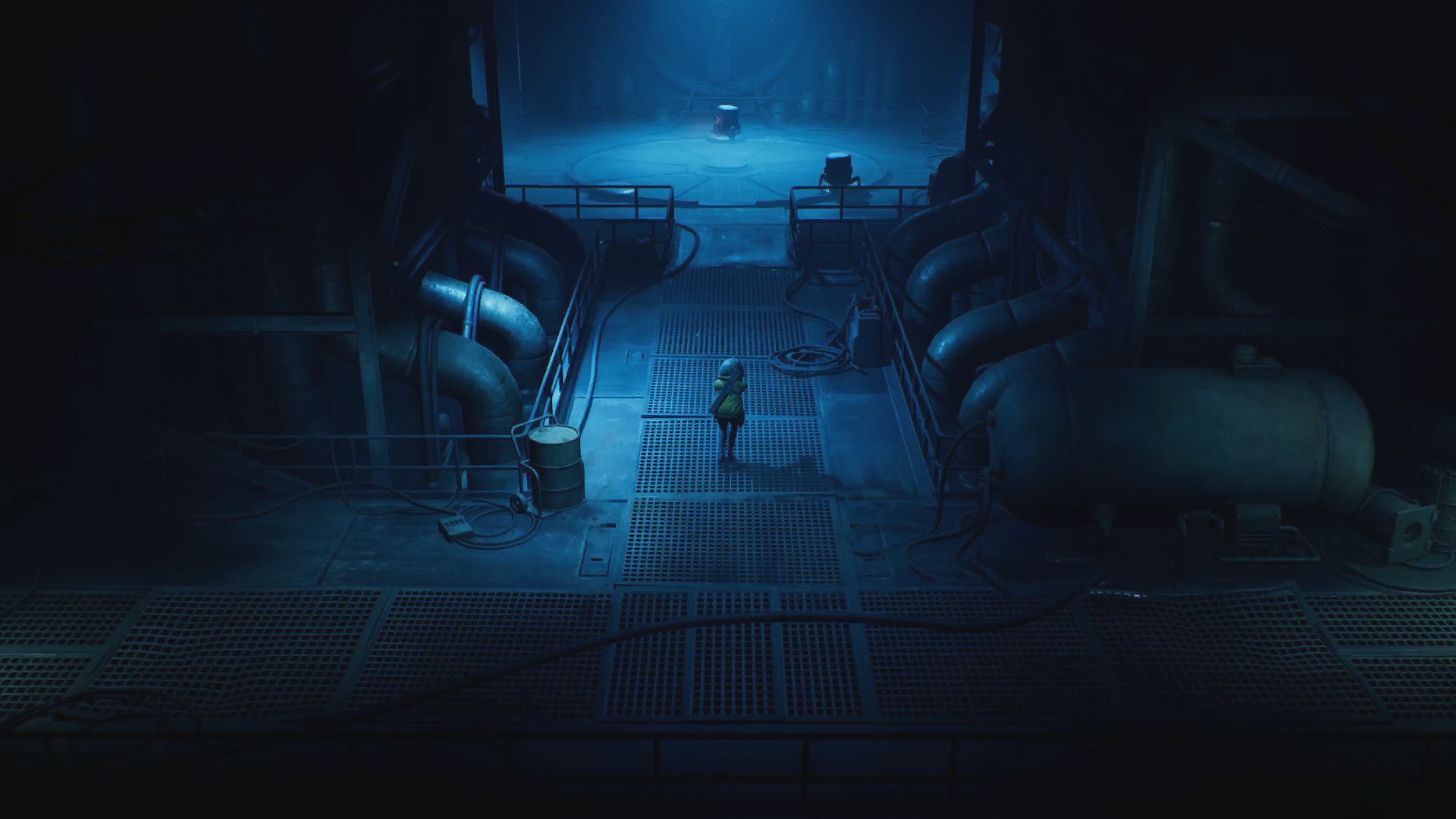
I kept running into areas I couldn’t access yet. A ladder couldn’t be pulled down until I had the right tool. A flooded pool blocked off a lower section until the water could be drained later. Locked doors needed terminals elsewhere in the facility before they would open.
That structure gives End of Abyss a strong search action feel. You grow stronger, unlock tools, and return to forgotten corridors that were sealed away earlier. The map and scanner help keep that process manageable, which is important because the reactor area alone has six floors. The demo only gave access to two of them.
Combat Has Weight
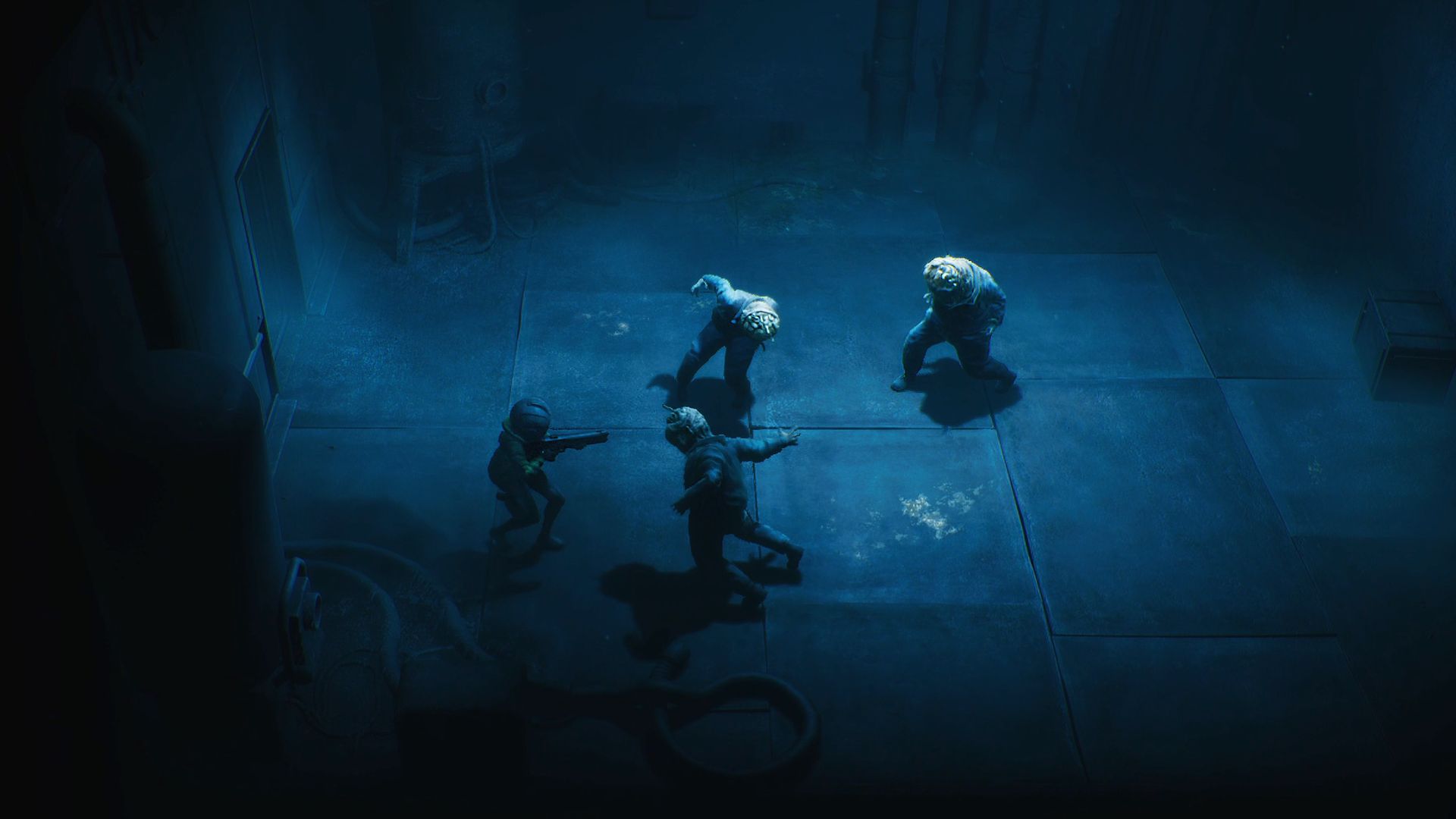
Combat is fast, tense, and easy to underestimate.
Cel’s main weapon is a pulse gun with infinite ammo. It drains and reloads automatically, so you always have a fallback. Her secondary weapon works more like a shotgun: limited ammo, high damage, and best used up close. Later in the demo, I also picked up grenades, which are great against groups and bigger enemies, but can hurt Cel if thrown carelessly.
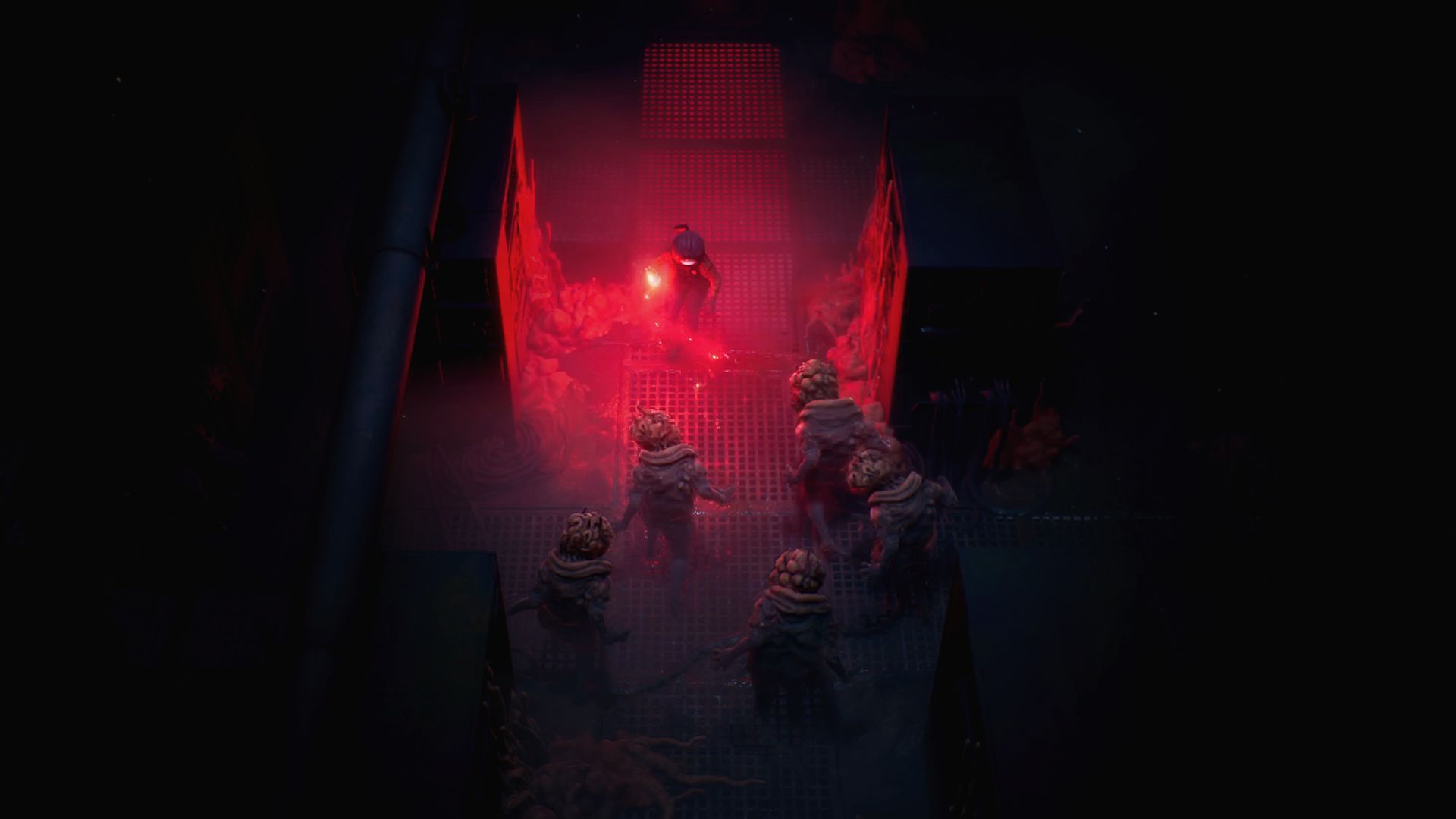
Flares add another layer. Some enemies are drawn to the red light, giving you a few seconds of breathing room. The dodge has no stamina limit, so fights rely more on timing, spacing, and staying calm under pressure than on watching a meter.
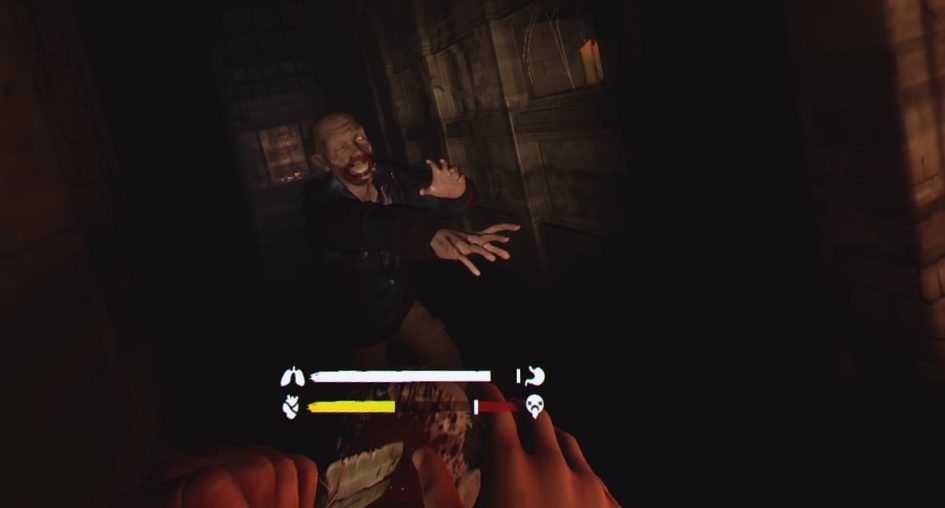
The creatures themselves help sell the danger. Some move fast and erratically. Others have long-reaching attacks. Radiation-suited enemies carry tanks on their backs that can explode when shot. End of Abyss wants you to adapt and not just fire wildly until everything dies.
Safe Rooms Offer Relief, Not Comfort
End of Abyss uses safe rooms in a way that survival horror fans will recognize right away.
Inside, enemies cannot hurt you or enter. Here you can save, recover health, use the workbench, craft ammunition, and prepare for the next push into the facility. Fragments collected from bodies and chests act as currency for crafting, upgrades, and new equipment.
Death is also handled smartly. If you open a door or activate progression, that progress stays saved. The catch is that enemies return after using a save station. That makes every trip back into the facility feel familiar but still dangerous.
A Boss With Unfinished Business
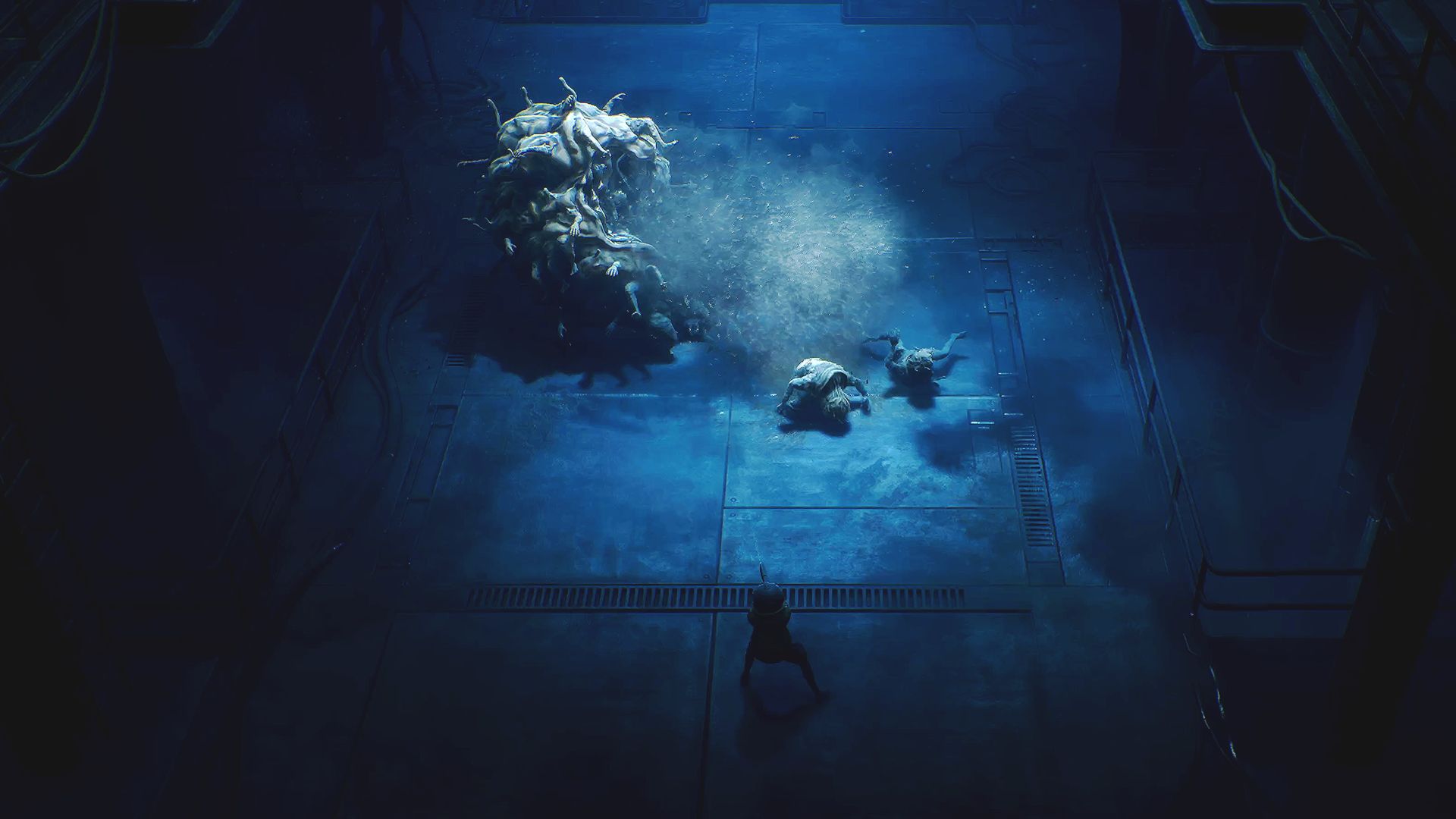
The demo ended with a boss fight triggered after activating the final power cell. The creature was described as centipede-like, and it moved with the same twitchy, erratic energy that defined many of the normal enemies.
At half health, it shifted into a second phase and changed its behavior. After the fight, the developer noted that the creature didn’t actually die and may return later.
That small tease fits End of Abyss well. The facility feels broken, but not dead. The creatures roaming it feel like pieces of something larger. Cel’s mission starts as an investigation, but the demo suggests it will spiral into something much worse.
Final Thoughts
End of Abyss left a strong impression because its systems feed into each other so cleanly. The scanner supports exploration. Exploration opens shortcuts and new paths. Combat rewards resources. Resources support crafting and upgrades. Each new tool gives you another reason to return to areas that once felt closed off.
Section 9 Interactive seems to be building something that sits at the intersection of survival horror, sci-fi action, and search action-style exploration. The demo only showed a small slice of the underground compound, but it made that space feel layered, hostile, and worth picking apart.
End of Abyss has my attention because it understands that fear need not come only from monsters but sometimes it comes from opening the map, seeing how deep the facility goes, and realizing you have only scratched the surface.