



































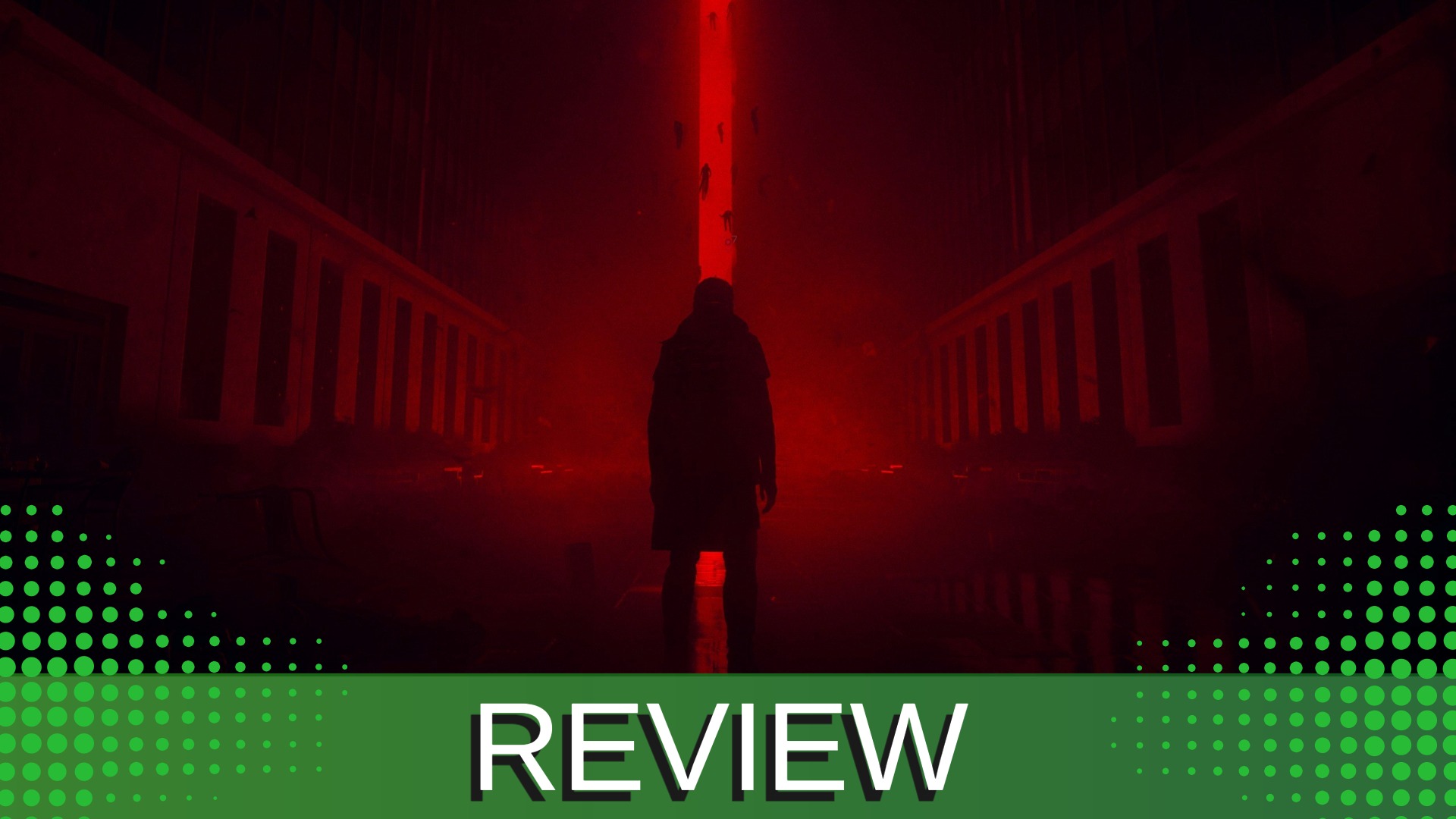

It’s been 7 years since we last saw the Oldest House, both in and out of the world, and now it finally opens its doors, revealing the strange, sprawling geometry within that has spread out into Manhattan proper. With Jesse Faden nowhere to be found, her sometimes-possessed, sometimes-catatonic brother, Dylan Faden, must save the day this time.
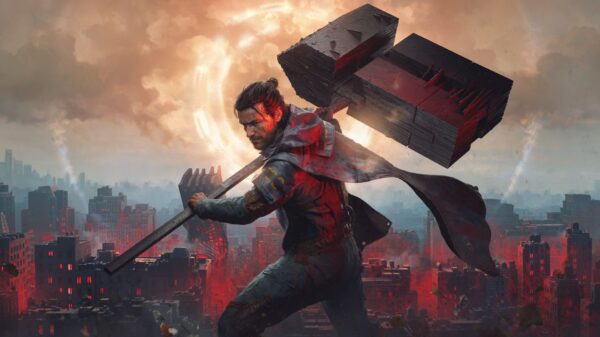
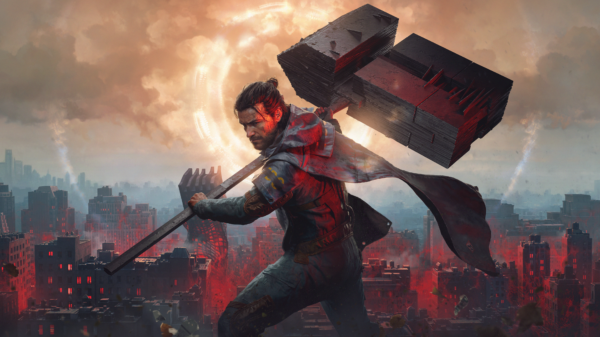
In a break from traditional Remedy fashion, instead of a gun, Dylan has Aberrant, a shifting piece of metal that forms into various melee weapons, like dual swords, boxing gloves, a massive hammer, and many, many more.
It’s a bold move, going from the familiar third-person shooting style the studio and franchise are known for, but it doesn’t just work; it absolutely rules.
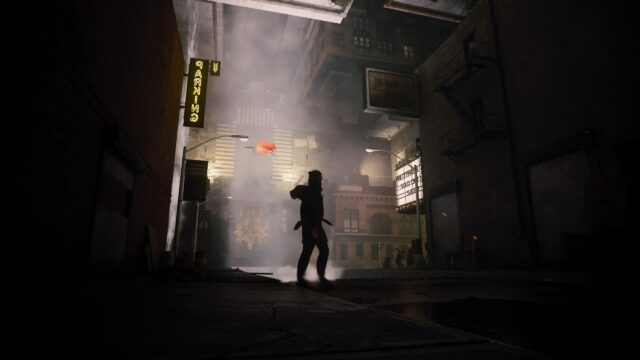
On its surface, the combat seems pretty simple. 3 hit combos all the way through, a stun meter that lets you do an instakill when it’s filled. However, it’s the weapons that really expand it.
Like a strange weapon-based Pokemon, you choose between 3 basic forms for Abberant: a hatchet, dual swords, and a glaive. From here, you can build out its performance through a simple skill tree. From there, it expands: your second attack button gets another weapon form, this time with more options based on what you’re trying to achieve, like a hammer for building stun or a massive sword for maximum damage. You eventually unlock a 3rd weapon form that follows your basic combo and pushes you even further into the build you’re making for Dylan.
Yes, build. One of the greatest strengths of Control Resonant is that you can build out Dylan to do whatever you really want him to do. Want to focus on crits? You can do that. Stun? Absolutely! Air juggling? Yeah, of course! Lighting yourself on fire and summoning a legion of pets to make enemies explode when you hit them while on fire? Duh.
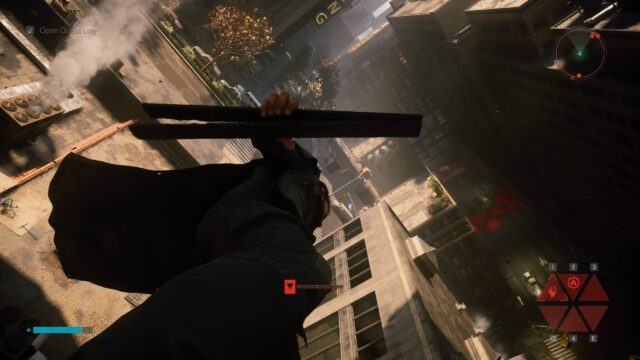
Like the original Control, you gain special paranatural powers alongside your weapons to help you on your quest. This time, however, they’re a bit more out there. Sure, there’s the classic push-and-throw rocks, but now you can also summon a little buddy who shoots monsters, throw like a bomb, or use the aforementioned ability to light yourself on fire. These abilities can also build status effects that all interact in interesting ways. You have so many options in your arsenal that, while the interactions may feel simple, you are doing wildly different things depending on your build, so it doesn’t feel that way.
There are also different abilities to traverse this strange version of New York. You can switch gravity on certain surfaces, and you have a psychic hookshot-like ability that lets you zip around skyscrapers.
When Alan Wake 2 came out, BAFTA interviewed Sam Lake, and he went over the games that currently inspire him, one of which was Insomniac’s Spider-Man. He talked about how impressive the motion feels in that game and how we take it for granted in games.
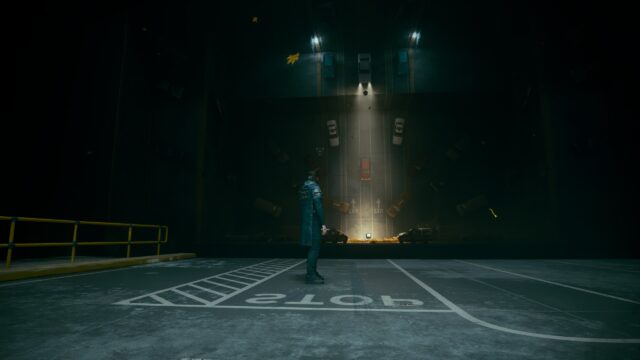
Motion is the primary means the player interacts with the digital space. Almost every game utilizes it in some way. Much of what we describe as “game feel” comes from the way the character moves.
Control Resonant is being pitched as an action RPG, which it is, but it’s also clearly inspired by the big open-world superhero games. Your Infamouses, Prototypes, and Spider-Mans.
The inherent power fantasy here is obvious, you’re a superpowered individual killing strange monsters in a warped New York, but there’s such a great sense of place and motion through the world. The first few hours you’re running through the streets of NY feels basic, but soon enough you’re running up walls, shifting gravity, and using these breaks in reality to your advantage. What’s absolutely crazy is you rarely lose your sense of place, and shit gets WEIRD.
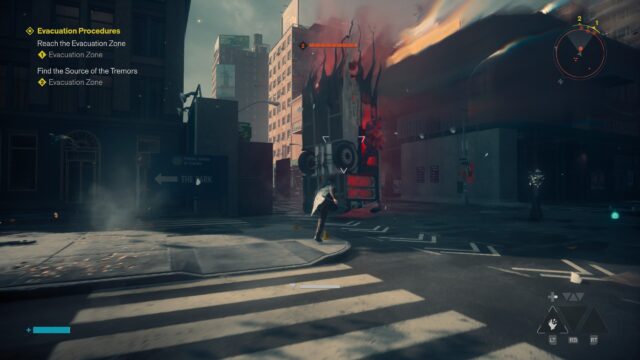
Combat arenas that are upside down and right side up at the same time. Maps where you use the constantly flipping gravity to catapult yourself around. Massive skyscrapers that feel insurmountable, save for a strange path to climb that you have to break your conventional way of thinking to pass.
It works for the game’s refracting landscape, taking a lot of the weirder moments from Control and cranking them up to 11. Throughout the game, there are so many moments of wonder and confusion about what’s in front of you. It’s a testament to the art design that what one would argue is the most overused open-world space: New York, ends up being one of the weirdest spaces to explore in years.
That said, stylistically, it feels lacking compared to the oppressive hallways of The Oldest House. While the psychedelic layout does a lot, it is still just New York City, and feels very samey because of it. The map is broken up into multiple areas, all of which have a theme, like the West Exclusion Zone, which is folding in on itself, or the Park, which is being taken over by an extra dimensional mold. It all looks great, but a lot of it feels like the same map but with some theming put on it.
The side content is also pretty typical open world stuff, albeit a very Remedy spin on it. Stuff like linking satellites to unlock the map, an extra-dimensional dog that needs help getting toys, stores with secret doors that require a puzzle to unlock. It’s all fun and engaging, and you really have to work for it, but it is a bit checklisty.
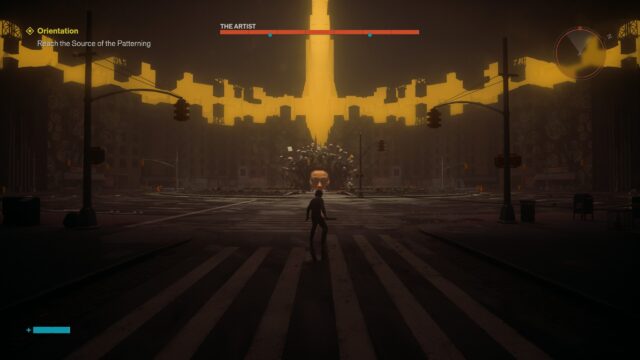
The best are the titular resonants, massive, otherworldly boss fights. Each one has a really interesting backstory, visual motif, and power that ties into the area you find them in. These fights are where the game really stands out. They’re the game’s greatest challenge, and they really give you something to test your mettle against. It’s the promise of Control Resonant firing on all cylinders, and it’s a shame there are so few of them.
The sidequests are also great; they’re weird, of course, but they give a much-needed glimpse into how regular people react to this world’s strangeness, while also fleshing out Dylan as a character. The best are the ones tied to Altered Items, everyday objects infused with strange extradimensional power. The quests around these tend to get a bit more attention, and allow for a weirdness different from the weirdness present everywhere else in the game. A great one is a set of speakers with its previous owners’ souls stuck inside, it leads to an interesting moral dilemma that leaves Dylan and the player stumped.

Seeing Dylan desperately try to save the people around him really sets him apart from Jesse as a protagonist. If you’ve played the first one, you understand why it’s surprising to see him as the lead here. He’s much more empathetic, to a fault, desperately trying to make up for past mistakes in any way he can. Sometimes putting himself in harm’s way, in a way that might feel like him taking penance. His performance carries a desperation; he’s less of a traditional hero than Jesse, and it offers an interesting look at someone who’s been failed by almost everyone in his life. Including himself. Throughout the game, you watch the burgeoning friendship between him and his wary handler Zoe develop, and it’s incredibly moving watching as Dylan makes his first true friend.
He’s a strong protagonist with an interesting journey, so it’s frustrating that the main plot feels so lacking by comparison. Of the connected Remedyverse thus far, Control Resonant has the greatest stakes of any game they’ve released. The evil extradimensional entities aren’t confined to a Lake or a Building here. They’ve taken over Manhattan. While the characters respond with adequate horror, the story doesn’t do much with it. It’s a pretty bog-standard stop-the-bad-guy story, with some esoteric theming. The reveals fall a little flat because they never really feel built up, and the truly great stuff is relegated to side content, save for a truly moving sequence toward the middle of the game and a crazy moment toward the end.
In writing, you’re told to show, not tell, and while a lot of this franchise is based on what it doesn’t tell you, this game feels like it doesn’t want to tell you anything, to its detriment. It’s not bad per say, just disappointing in comparison to Control and Alan Wake 2, whose stories elevated them to incredible heights. Dylan is great, and so is Zoe, but narratively you come out of Control Resonant wanting more. Especially after the credits roll, not knowing when you’ll see this world again.
Control Resonant is great. There’s no denying that. It’s the most experimental and weird open-world RPG we’ve gotten in a minute, and almost every moment playing it feels amazing. Remedy shows they’re still the best in the business at making mind-bending worlds. Zipping around the city and bringing your burning hammer down on Hiss and Mold never gets old. It’s just a shame that the story never reaches the heights of the rest of the game, but sometimes rock-solid gameplay and visuals are enough.
Good
The Final Word
Control Resonant is a top class action RPG, with some of the most mind bending imagery you’ve ever seen. The story isn’t as strong as its predecessor, but the gameplay more than makes up for it.