
































Tokyo-based publisher Shueisha Games and developer Sigono have announced a short delay for their upcoming single-player photo adventure, Opus: Prism Peak.
The game will now launch simultaneously on PC via Steam, Nintendo Switch, and Nintendo Switch 2 on Thursday, April 16, 2026.
According to the teams, the additional development time will allow for further refinement of the game’s striking art direction and emotionally driven narrative.
“We believe that OPUS: Prism Peak deserves the care and polish needed to meet the expectation of its fans,” said Jonathan Wang, Producer at Shueisha Games. “By giving SIGONO additional development time, we can ensure that the final release truly reflects the heart and craftsmanship behind the project.”
Players eager to experience the game early can try the Steam demo, though it will only be available for a limited time.
A Photo Adventure Through Memory and Loss
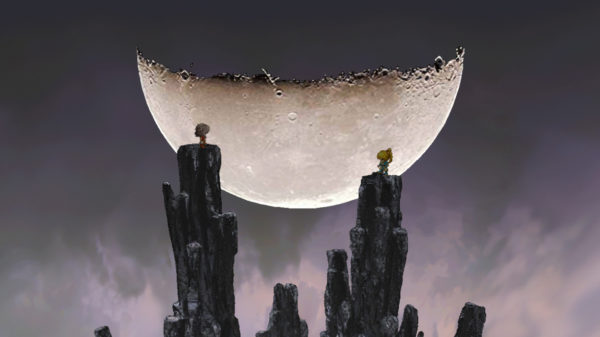
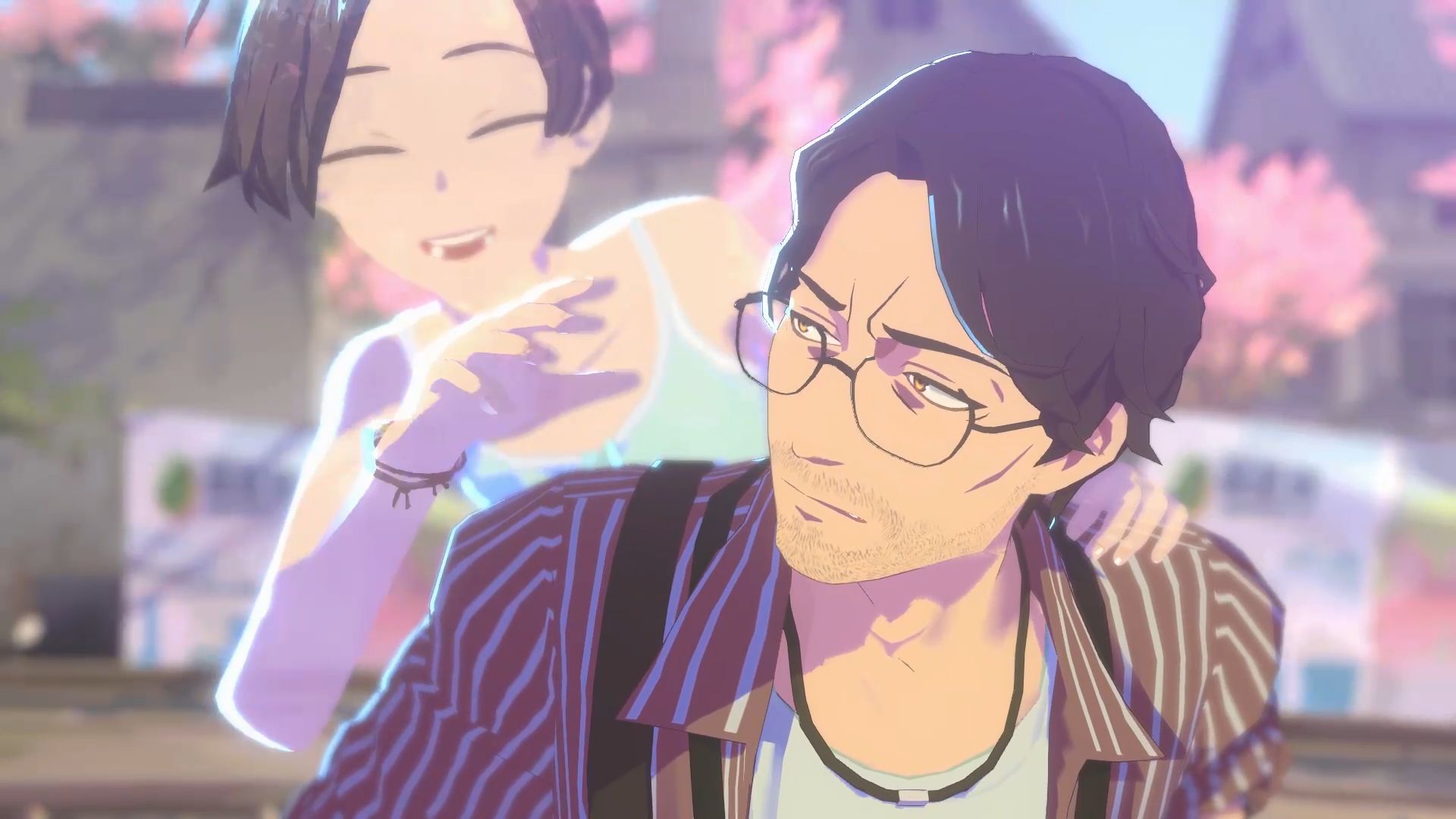
In Opus: Prism Peak, players follow Eugene, a 40-year-old former photojournalist turned café owner. While returning to his hometown, a sudden accident transports him to the Dusklands, a quiet, surreal realm shaped by fading light and unspoken sorrow.
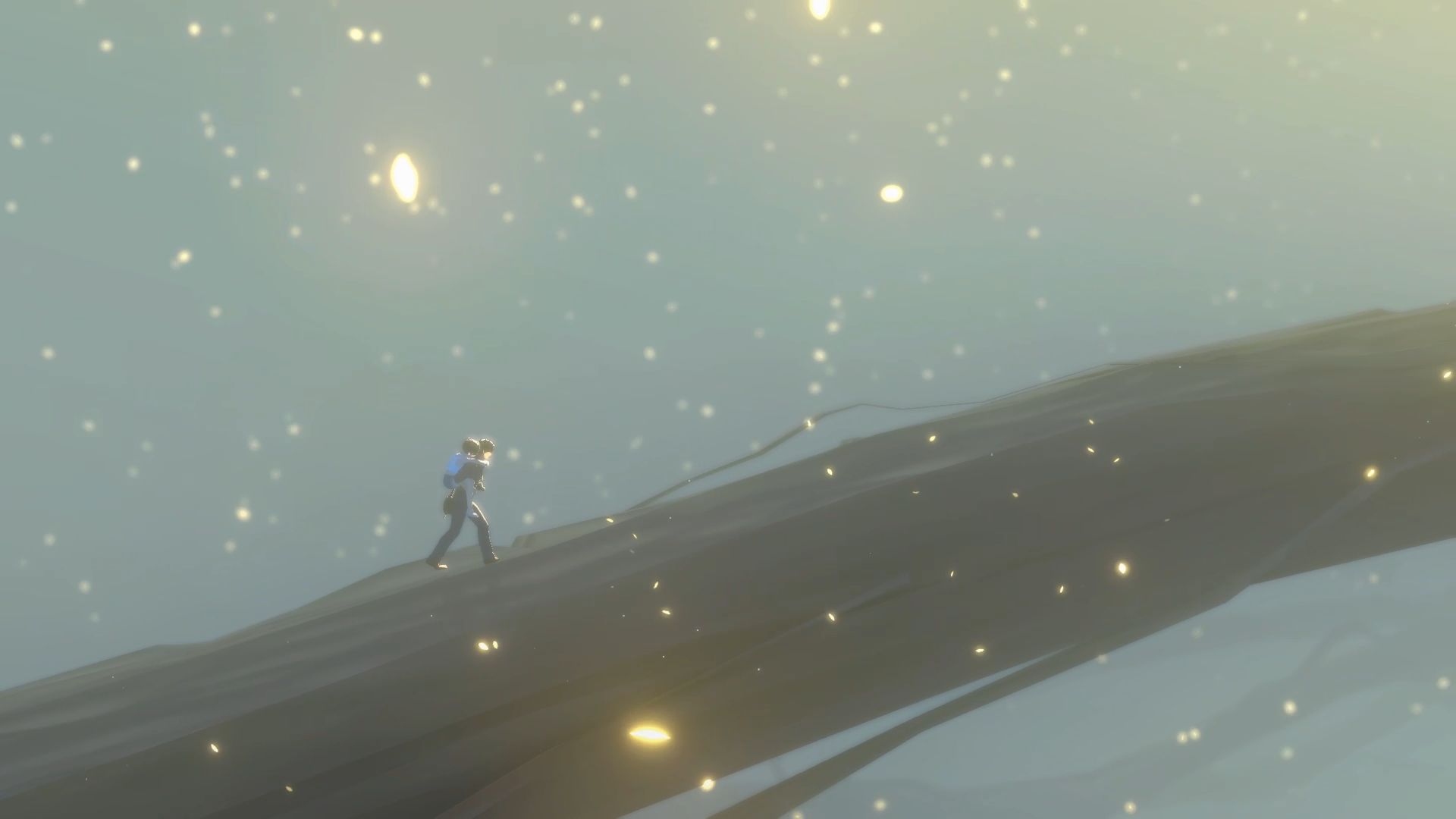
There, Eugene is reunited with his long-abandoned camera and meets a mysterious young girl who remembers only that she must return to a distant mountain deep within this strange world.
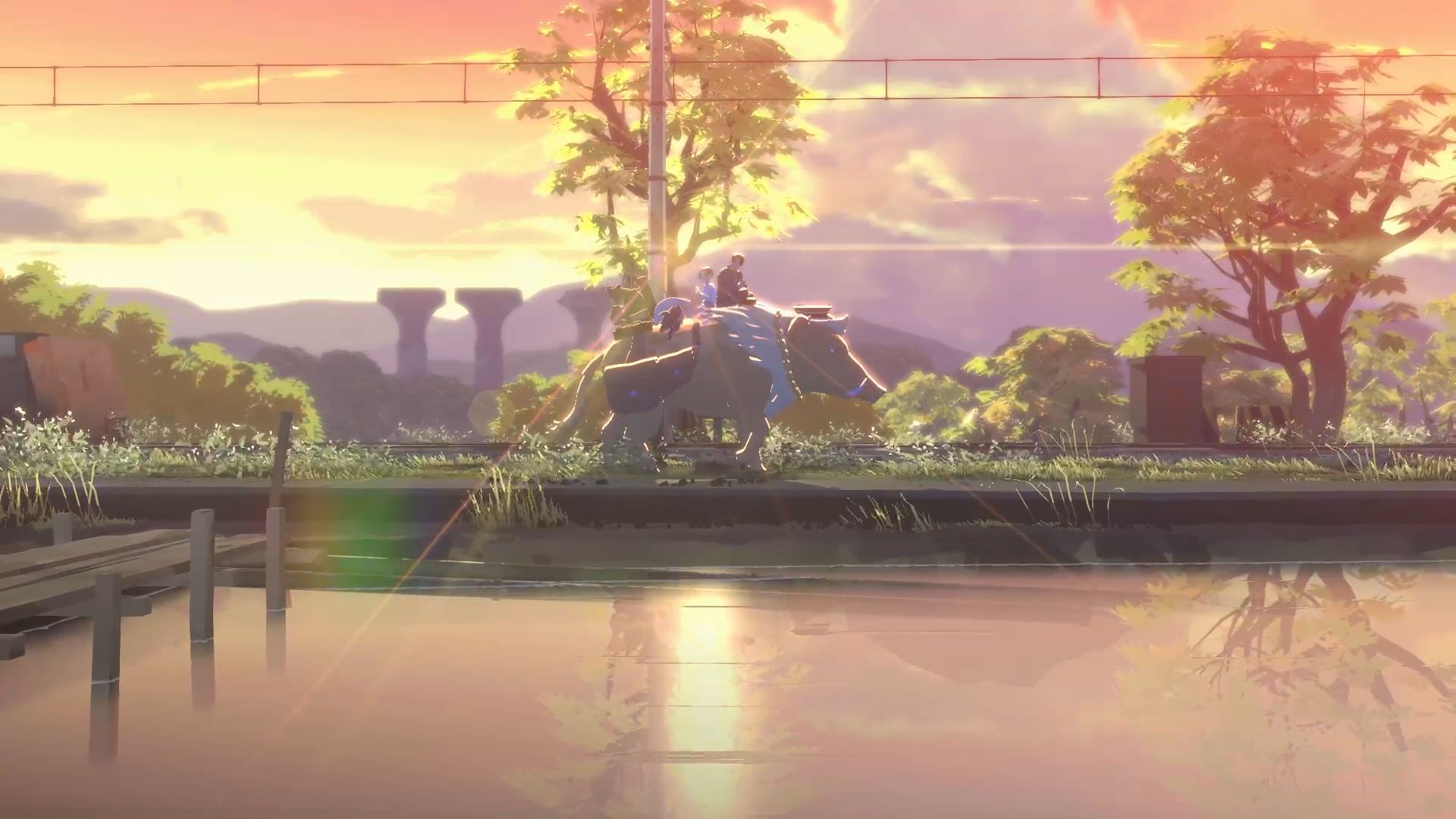
With no clear path home, the pair journey together across fragile landscapes filled with lingering memories and curious spirits. Each spirit embodies an emotion or lesson, from a gentle deer who gifts Eugene his camera to a silent unicorn observing from afar. Their encounters unfold across forests, towns, and mountain trails, gradually revealing the deeper truths of both the Dusklands and Eugene’s inner struggles.
A looming red-and-black presence stalks Eugene throughout the journey, adding tension to the otherwise contemplative exploration.
Photography as Gameplay and Metaphor
Photography lies at the heart of the experience. Players capture fleeting moments, breathtaking vistas, divine spirits, and emotional turning points, preserving fragments of memory while learning the art of letting go. The mechanic serves as both a gameplay system and a narrative metaphor, reinforcing the game’s themes of loss, remembrance, and acceptance.