





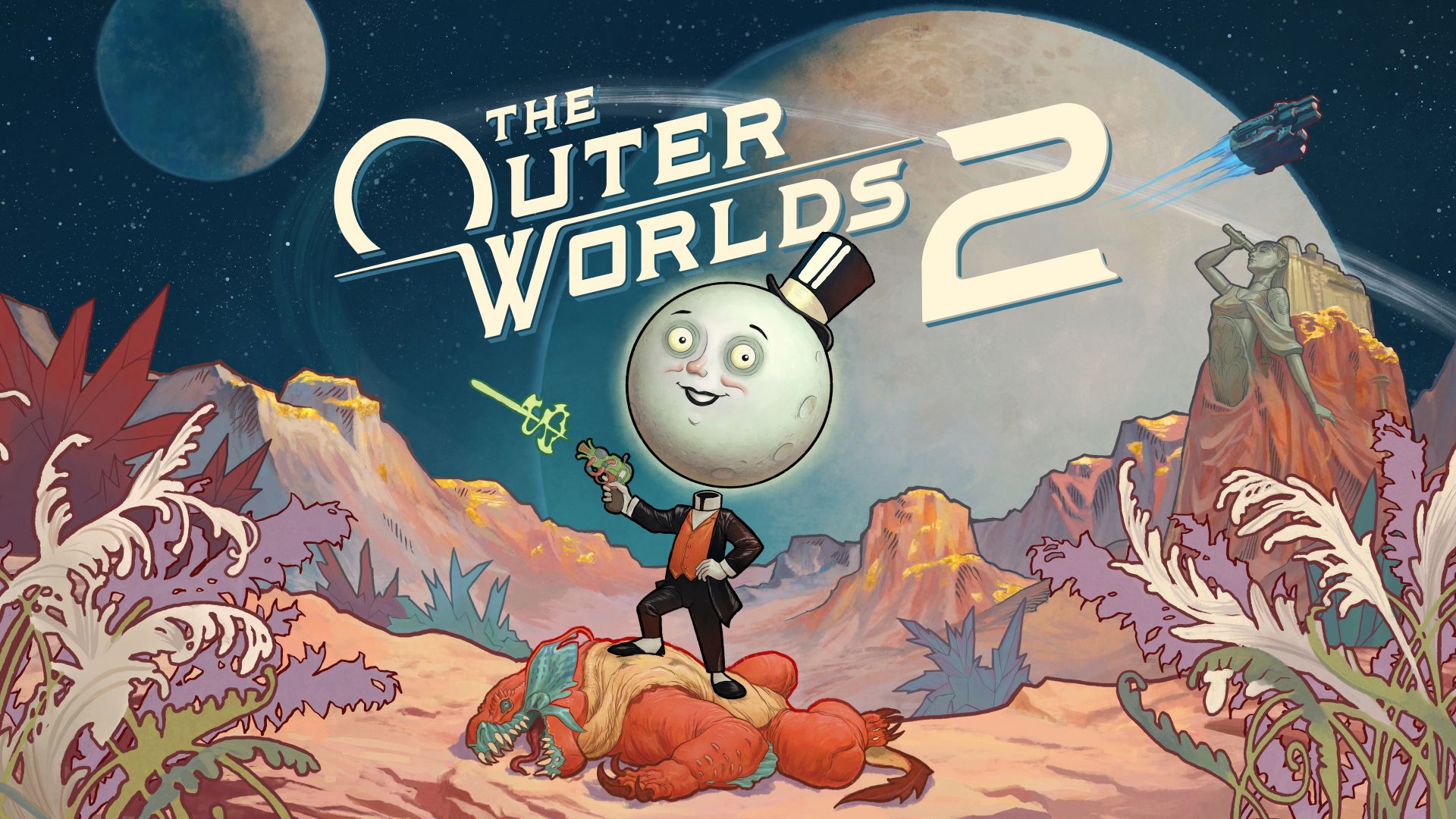

Over the weekend, I got to enjoy an advanced preview of The Outer Worlds 2, Obsidian Entertainment’s latest first-person RPG experience. Thank you, Microsoft, for providing access to The Outer Worlds 2 preview. When it was officially announced in June, the presentation by Microsoft showed a pretty great looking game that Obsidian had clearly built upon the back of The Outer Worlds. An evolution, if you will. What I played, very much aligned with that.
I haven’t played the original The Outer Worlds since it was released, so I’m pulling from memory for this preview event. However, The Outer Worlds 2 looks like more of the same with some added features and quality-of-life stuff. The accessibility features offered are off the charts, with lots of subtitle customization, size, backgrounds, etc, toggle vs. hold for sprint, aim, and crouch. With lots of independent volume controls, UI, and HUD scaling options, this package is looking to reach those that might have been left behind by other devs.
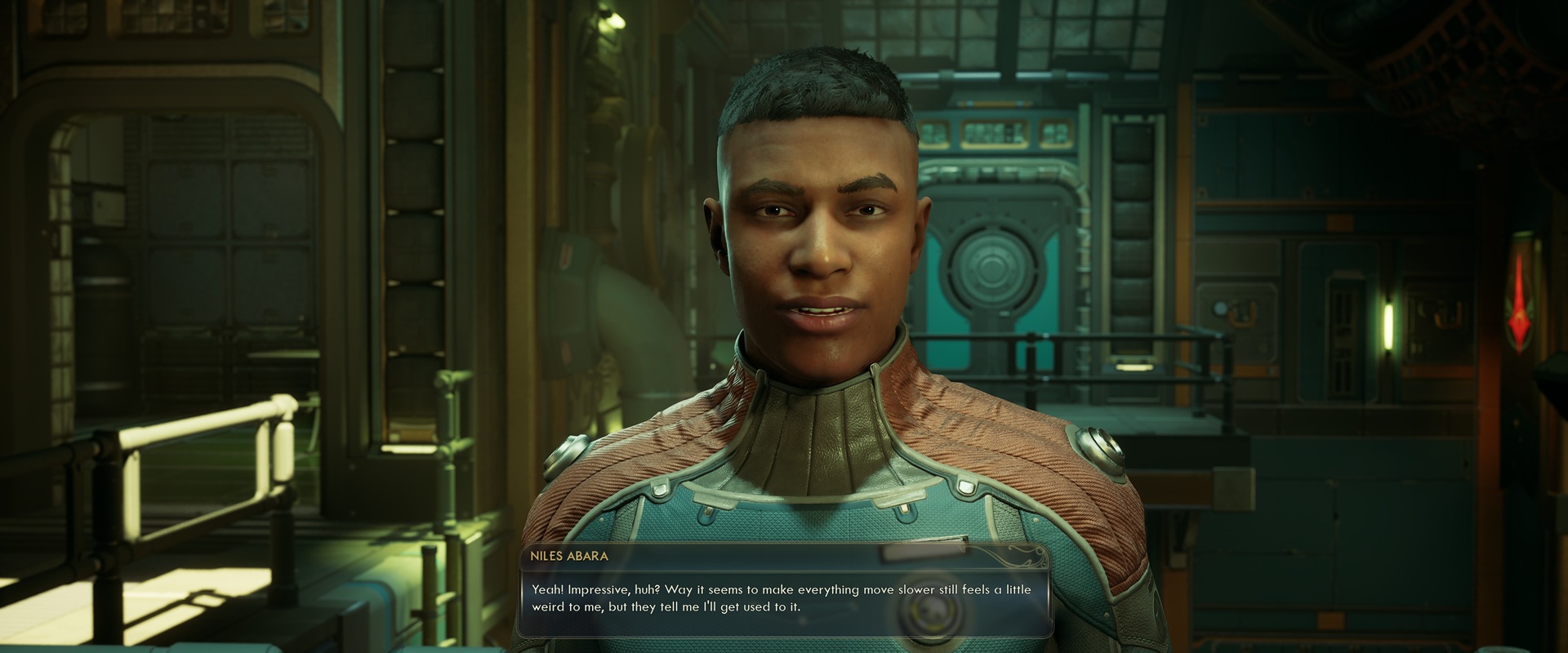
But it all starts with the character customization. There are a lot of changes you can make to the facial aspects of your character, but the bodies seldom vary. With the exception of being able to give yourself prosthetic limbs, of which there are 3 different prosthetics to choose from. Features for your character’s face are on a slider, so you won’t be able to say, have both a butt chin and bags under your eyes.
The Outer Worlds 2 allows you to slot in a positive trait without taking a negative trait, but the second positive trait requires a negative trait. Positive traits are things like Brawny, Brilliant, Heroic, things that will help you in dialogue options, as well as solving puzzles or getting around enemies. Negative traits just make the game a bit harder. At the time of writing, there are only three negative traits in the game. One of which is being abrasive, which directly impacts reputation gains with factions, not allowing you to raise your reputation beyond neutral.
Specialization in skills is both more and less important in The Outer Worlds 2. Throughout my playthroughs of the prologue, no matter what skills I specialized in, I was able to make use of them to change outcomes, routes, and get through puzzles more easily. This is enhanced by The Outer Worlds 2 offering multiple avenues to solve puzzles.
In one instance, I was given the option to complete a speech check using either my Leadership ability or my Speech ability. In another instance, I could see that there were multiple options by way of Hacking, Melee, and Observation. Impressively, you’re able to disable seeing these choices to either make it more difficult on yourself or just allow for that sense of wonder that comes with not knowing what a new playthrough will bring.
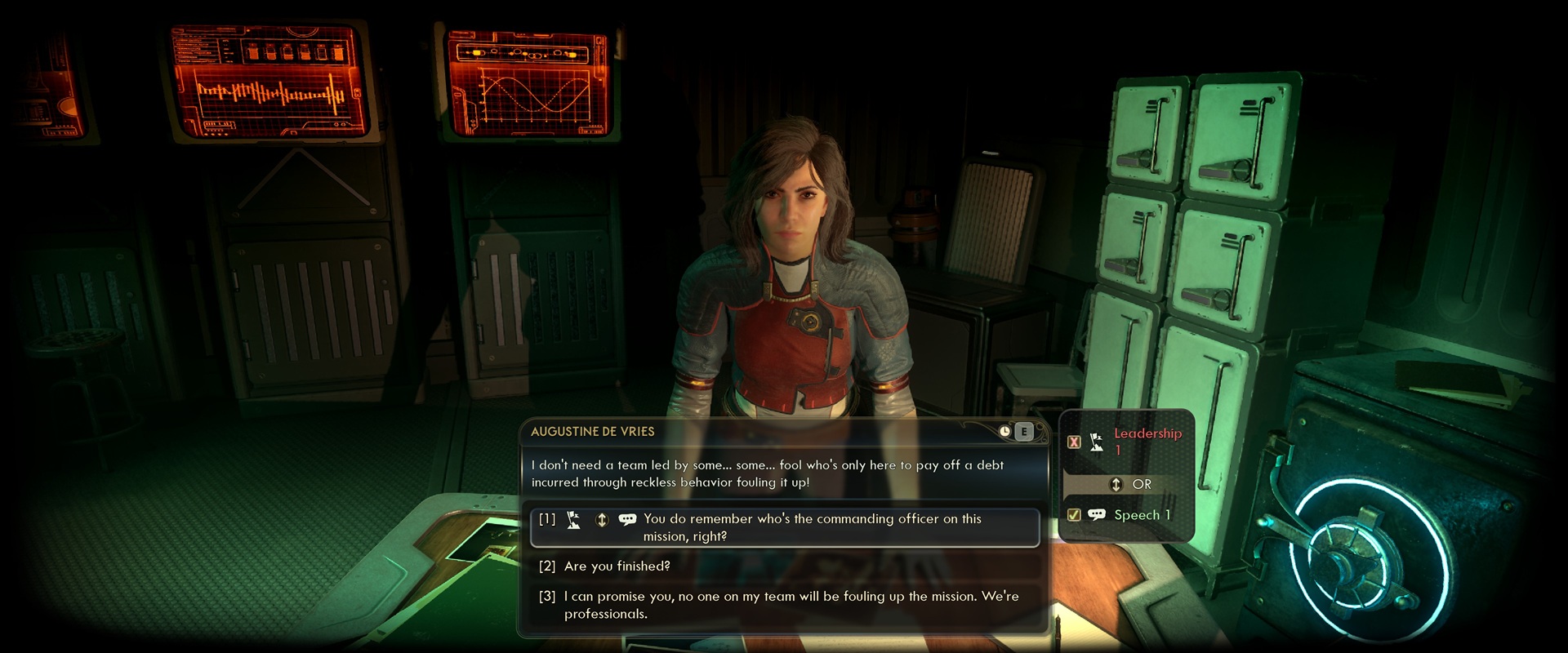
Specialization skills aren’t limited to dialogue options, though. Many times, I came across objects or obstacles that, with the right skill, would make my journey easier. I could overload a barrel of explosives and blow up a series of incoming guards, or bypass a door by blowing it up, lockpicking, and hacking work too, though. The prologue itself showed the many different ways I could proceed through the game.
You are an agent for the Earth Directorate and are being deployed to Arcadia, a colony beset by a factional war. Arcadia is dominated by its benevolent Protectorate. Your team, which is supposed to be some kind of crack Mission Impossible team, is to meet up with the Directorate’s forward agent and help steal an unsealed skip drive and bring it back to the Directorate for study. Skip drives are some sort of device for space travel.
Making my way through the Protectorate’s base using either my tact and wit, my stealth abilities, or just running through and wailing on anyone in my way felt strong. Combat felt like an important part of the game that had been worked on and designed with the role-player in mind. Even playing a fairly dumb stealthy guy, I was regularly able to get behind enemies, get through vents, and talk my way out of some scenarios.
I also managed to collect a lot of datapads full of lore that told me how the people under Protectorate rule were thinking and feeling. First, it sounds bad. If a religious nut declares their army the Protectorate and you have the opportunity to jump ship, I say do it. However, the lore also gave me information that I didn’t know before that, and allowed me to wield that during conversations in a way that helped move the story forward. Speech no longer being necessary to get out of fighting opens a world of possibilities for those of us willing to explore.
Offering four different difficulty modes, it seems difficulty in The Outer Worlds 2 is primarily about how much damage enemies do to you. I managed to get through both normal and hard difficulties without issue, although I’ll admit that saving early and often made the hard playthroughs easier. Damage was inflated considerably, though, and very hard means find some good armor and only fighting behind cover.
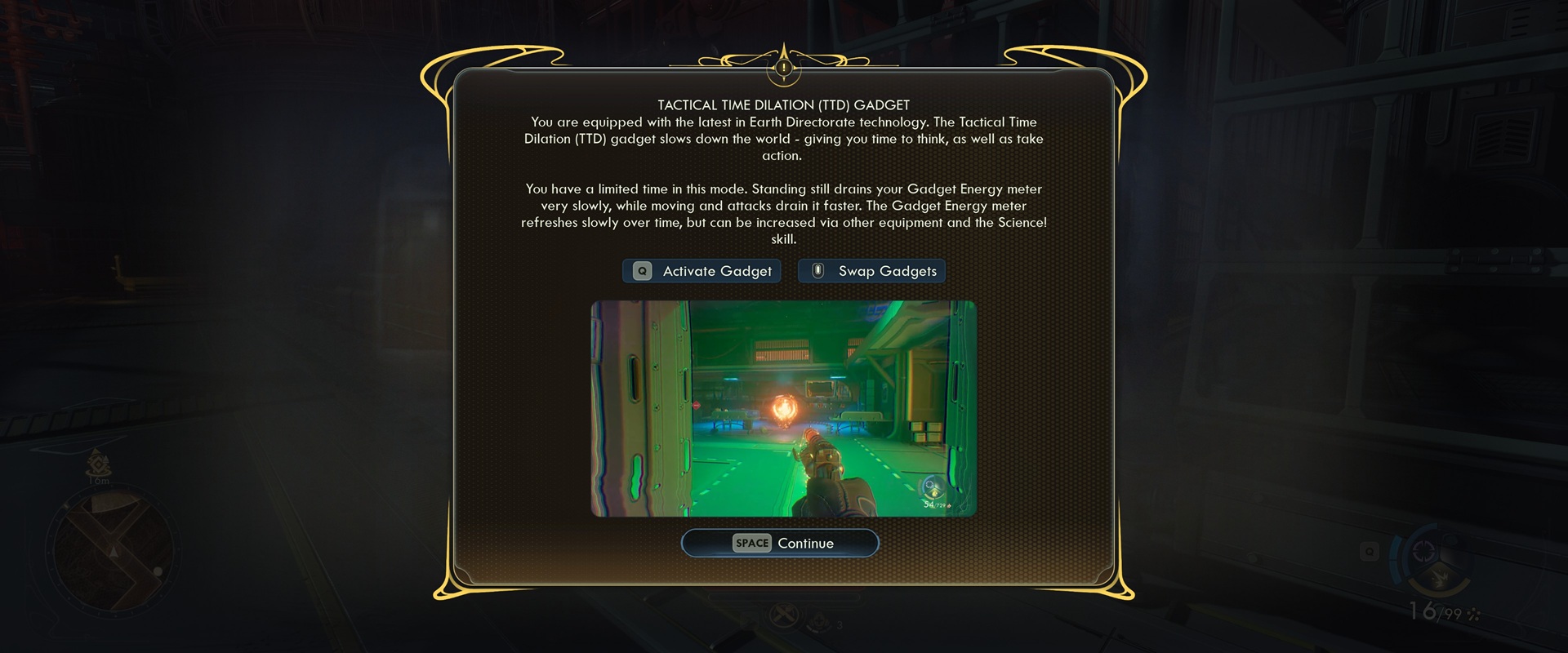
Luckily, the player has been given the Tactical Time Dilation (TTD) gadget, which slows down the world around the player giving them a chance to think and line-up shots. The way the TTD is presented leads me to believe there will be multiple gadgets throughout The Outer Worlds 2 that will help the player turn the tide of battle. The TTD is on a short timer that runs out quickly standing still and even quicker when moving and acting.
Though I only had access to the prologue, I liked what I saw. The Outer Worlds 2 scratches a different itch than the RPGs I’ve been playing all year. I think Microsoft is being careful with what it shows, but if Obsidian can pull this off, The Outer Worlds might end up going from a one-off game that was almost great to a series of hits. Time will tell if Obsidian pulls it off, but I really liked what I saw and am looking forward to the release later this year.