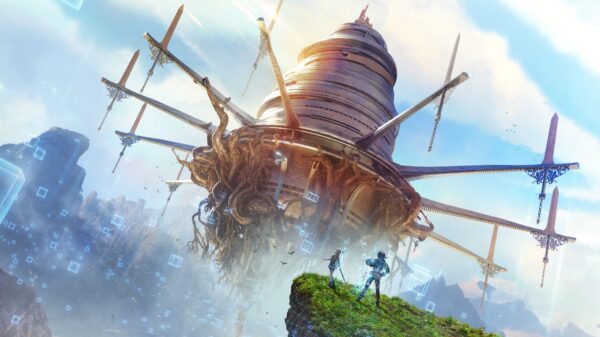
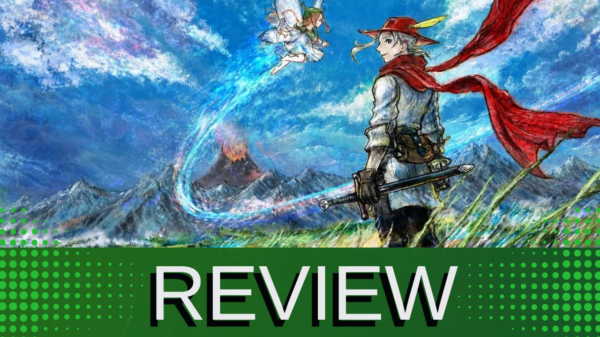



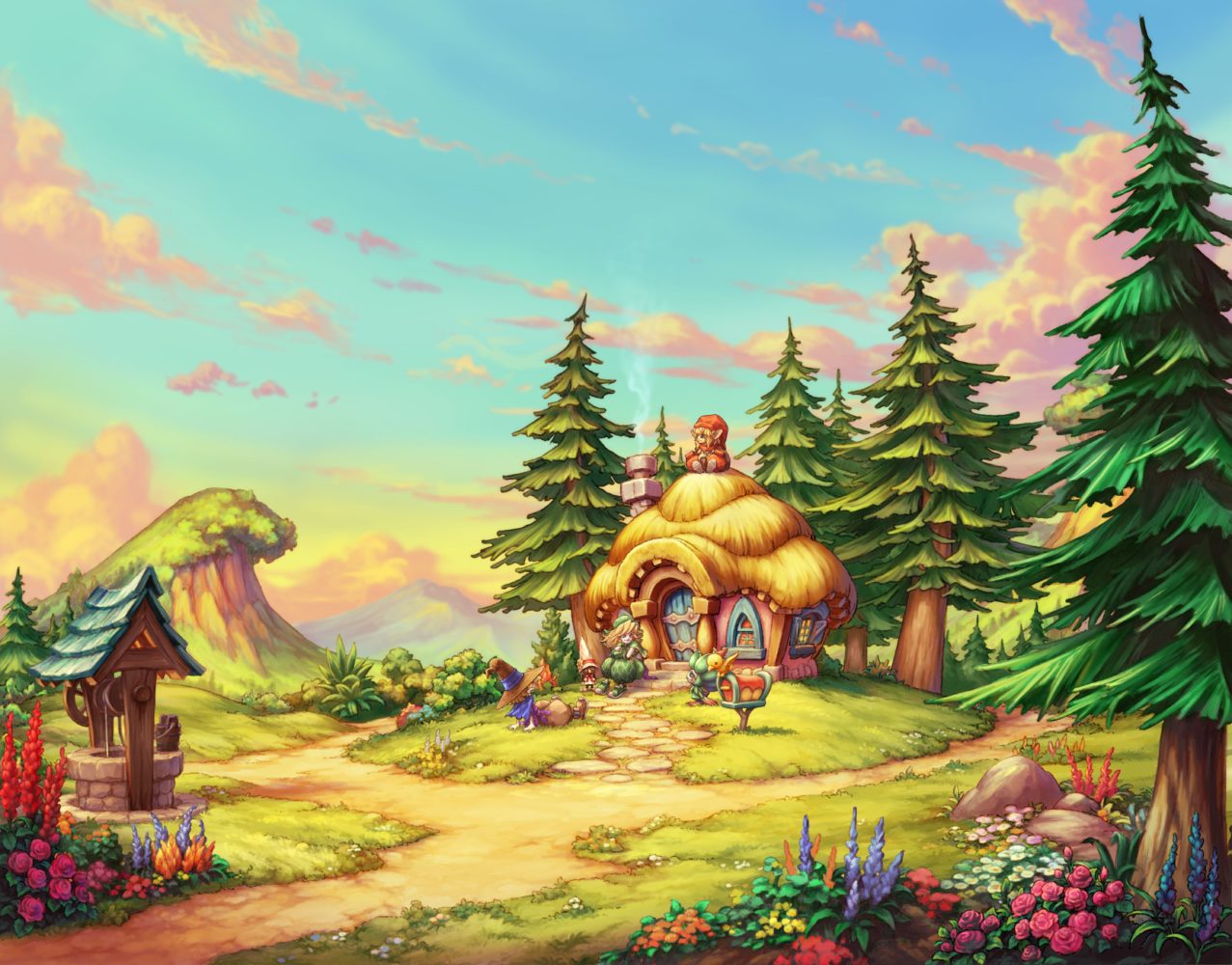


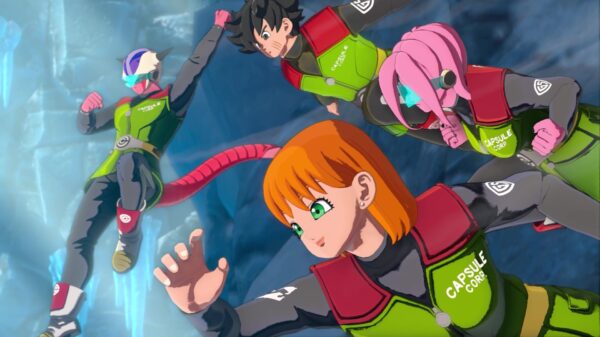

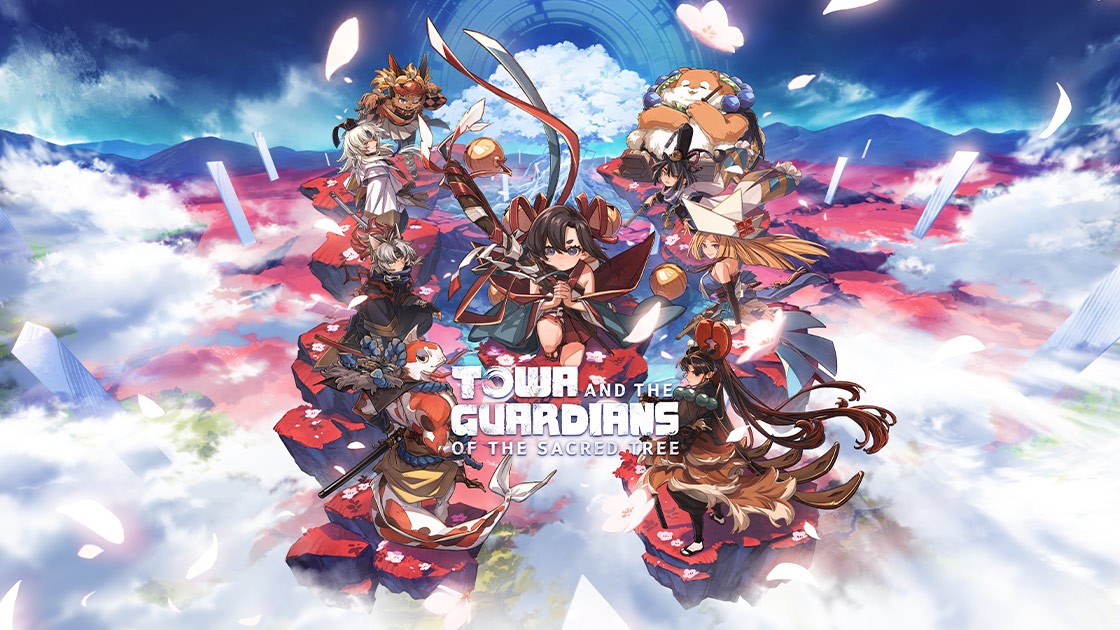

Towa and the Guardians of the Sacred Tree wears its Hades inspiration on its sleeves, and while the gorgeous art style and colorful cast of characters are quite enjoyable, the rest of the experience is lacking. The combat system is overstuffed with far too many systems and currencies, while the different characters vary widely in their usefulness in combat. The biggest flaw is the two-character system, which actively drags down the experience both in single-player and co-op.
Towa and the Guardians of the Sacred Tree
Developer: Brownies Inc.
Price: $30
Platforms: Xbox Series X|S, PS5, Nintendo Switch, and PC (reviewed)
The publisher provided a Steam code for review
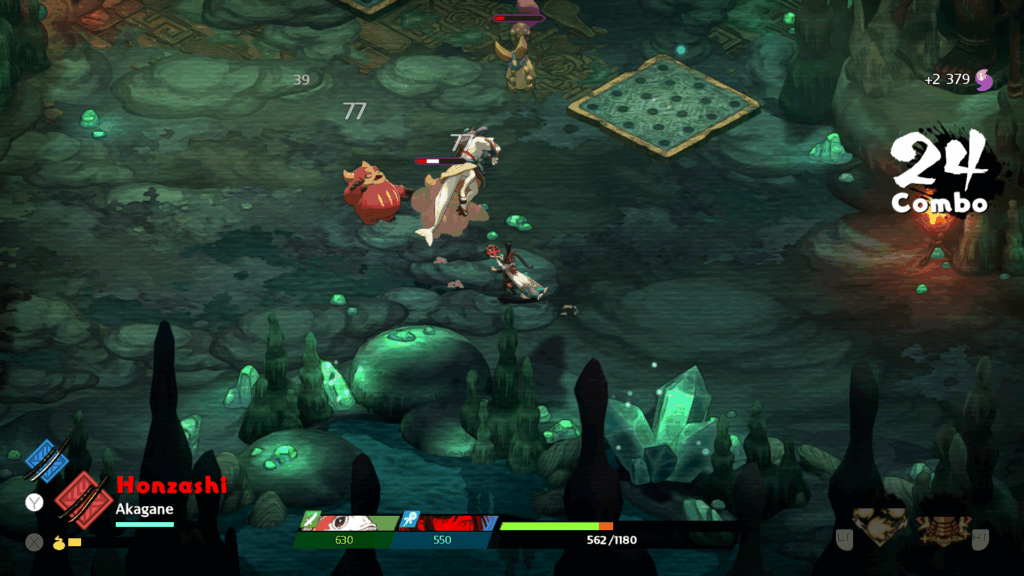
Towa and the Guardians of the Sacred Tree follows Towa and her eight guardians as they attempt to defeat the Magatsu’s evil forces invading the village. Instead of setting out into a randomly generated run each time, you instead pick from a set of different areas, each of which has set bosses to fight. This means that while you are trying to complete a run in each area, each run feels nearly identical.
This issue is compounded by the range of characters, each of whom has different spells and different attacks. However, there is no incentive to swap characters outside of a few specific instances, like losing access to your secondary character after completing a run. Still, since you don’t lose your primary character, the one determining your attacks, it makes sense to stick with the same character instead of swapping.
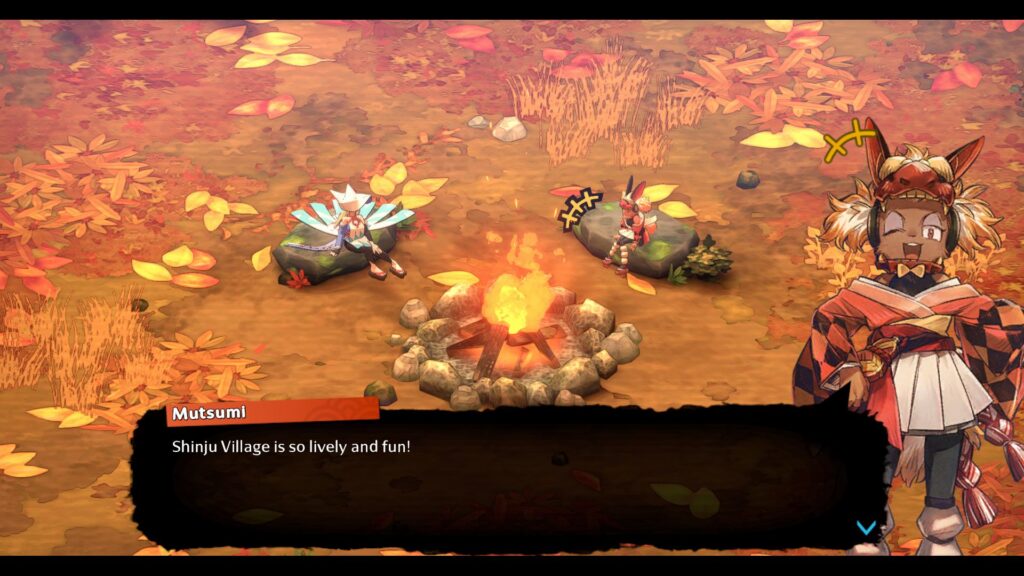
This two-character system, one primary and one secondary, really drags the experience down. In single-player, the secondary character follows you, with their spells placed on the triggers. However, both characters have health bars, and the secondary character doesn’t always follow you closely, meaning that in basically every boss fight, half your health bar is automatically lost, since your secondary character doesn’t always dash exactly when you do. In co-op, the second player only has control over the spells, making it a much less satisfying experience for them compared to the primary character.
Because the characters are what determine your magic spells and attack patterns, all of the roguelite upgrades you encounter are simple stat improvements, with the most powerful ones just adding elemental damage to your attacks. These static builds, in addition to each area having a set sequence of bosses, all culminates in each run feeling the same.
There are tons of meta currencies and run-specific currencies, since there are stat upgrades, sword smithing, gems to slot on your secondary characters, and overall run improvements, like improved healing. All of these different systems simply apply stat bonuses to various aspects of the game, removing any sense of making significant meta improvements, instead offering small percentage boosts, which adds to the staleness of Towa and the Guardians of the Sacred Tree.
Towa and the Guardians of the Sacred Tree is Inspired but Underwhelming
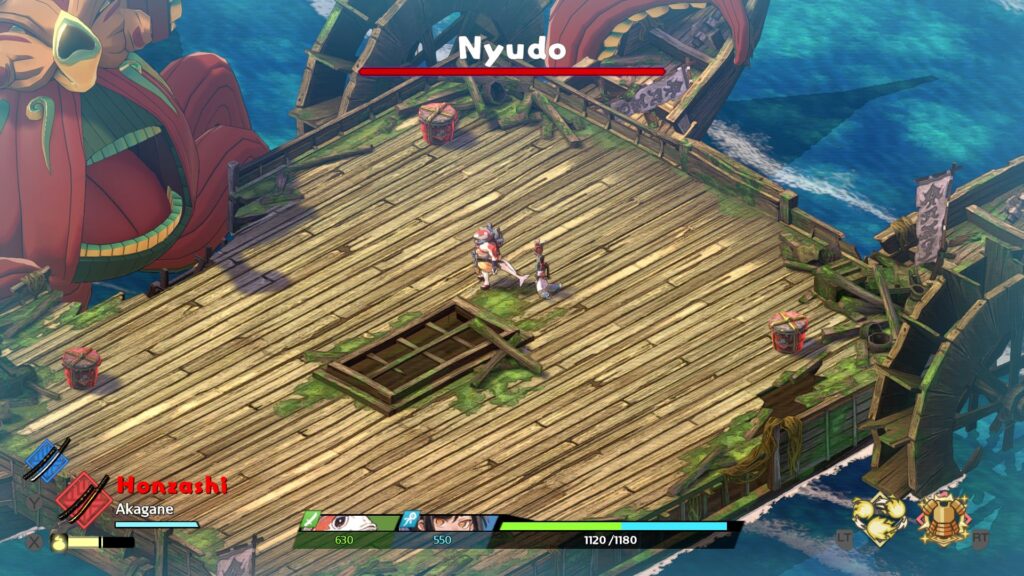
The story itself is fine, but a significant amount of the character relationships and conversations take place at campfires during a run, and these conversations aren’t short, really killing the moment you might be feeling if you choose to watch the conversation play out. The enemies also feel far too simplistic, often moving very little and overwhelming the screen in a bullet-hell style of combat. None of the fights, bosses, or anything else stands out from the others, creating a feeling of sameness. The only way I could tell I was in a new area was new enemy models and new environments, but the combat always felt the same.
 The Final Word
Towa and the Guardians of the Sacred Tree is a lackluster roguelite, taking the variety the genre is known for and creating systems that minimize how different each run feels. It’s overstuffed with systems and currencies that don’t feel meaningfully different from one another. The art looks quite nice, and the story is fine, but placing the story in the middle of a run wrecks the pacing. The biggest issue is the two-character system, which creates an unnecessary punishment in single-player and a Nintendo-style co-op mode that doesn’t offer a complete experience to the second player.
MonsterVine Rating: 2.5 out of 5 – Mediocre