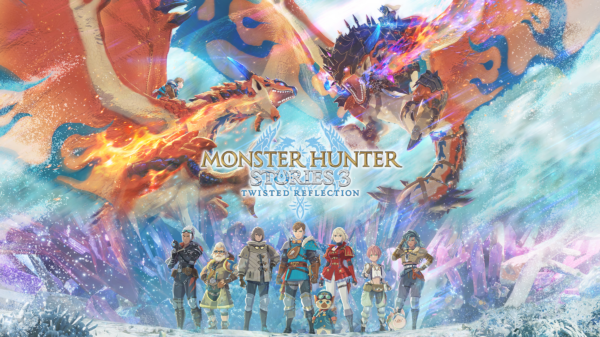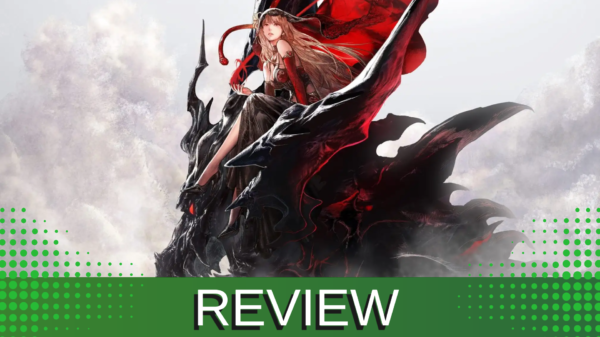


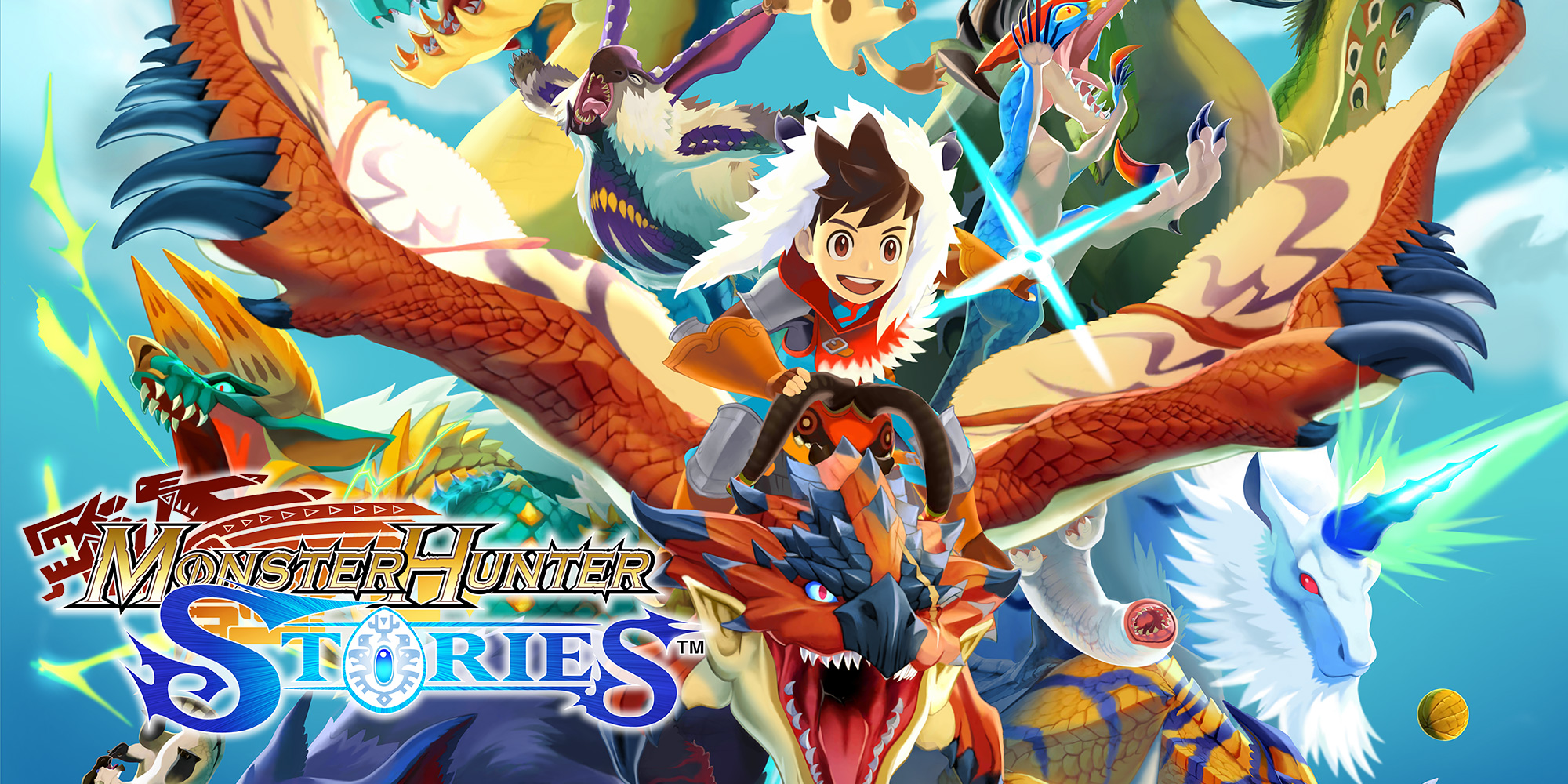




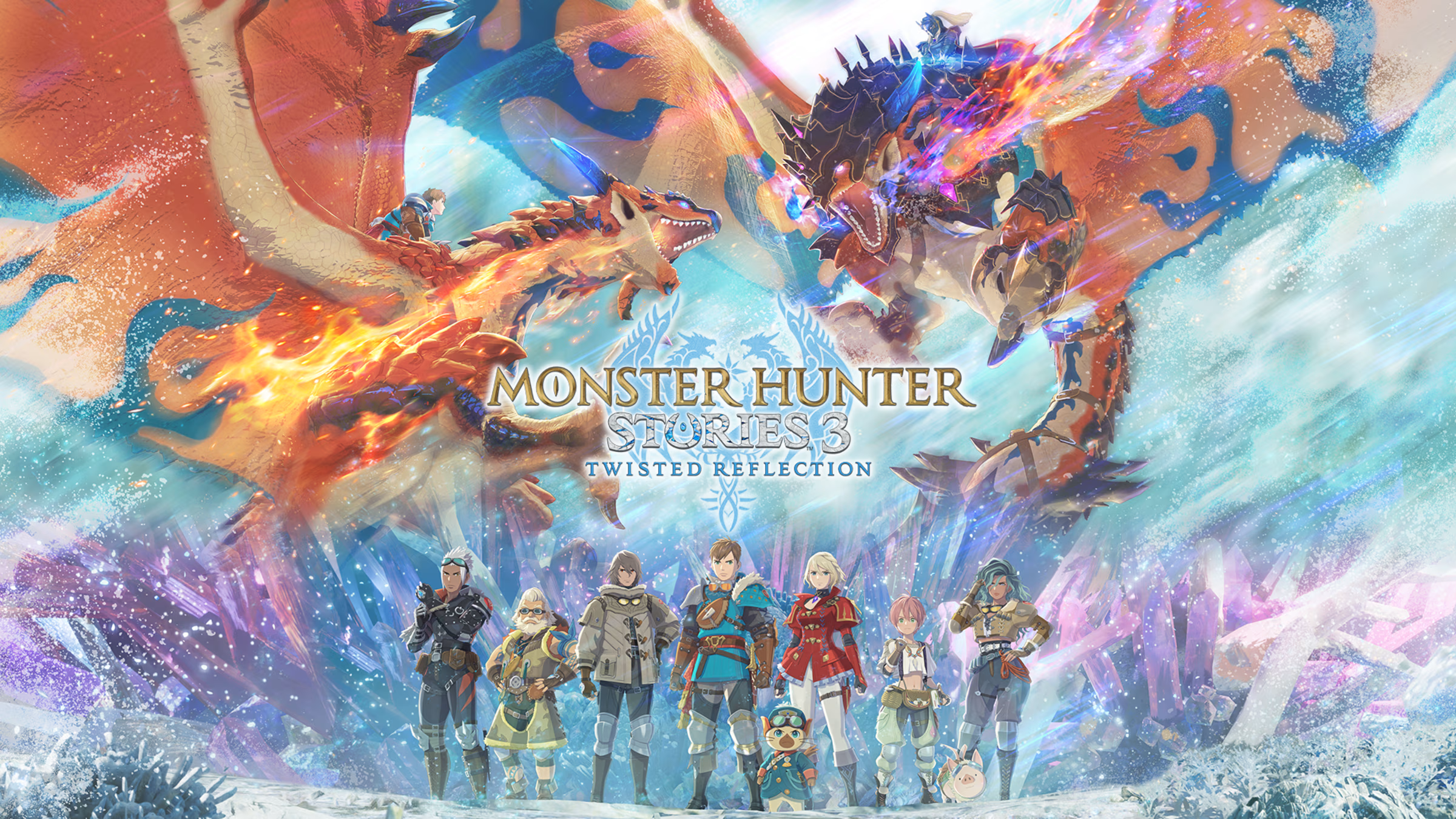

Monster Hunter Stories 3: Twisted Reflection slows down the usual Monster Hunter experience into a turn-based RPG adventure that manages to embrace some of the things that made Monster Hunter, well, Monster Hunter while still translating them to a universe led by its RPG mechanics. This Monster Hunter fan thinks they absolutely knocked it out of the park with this one, and the future is bright for this sub-franchise.
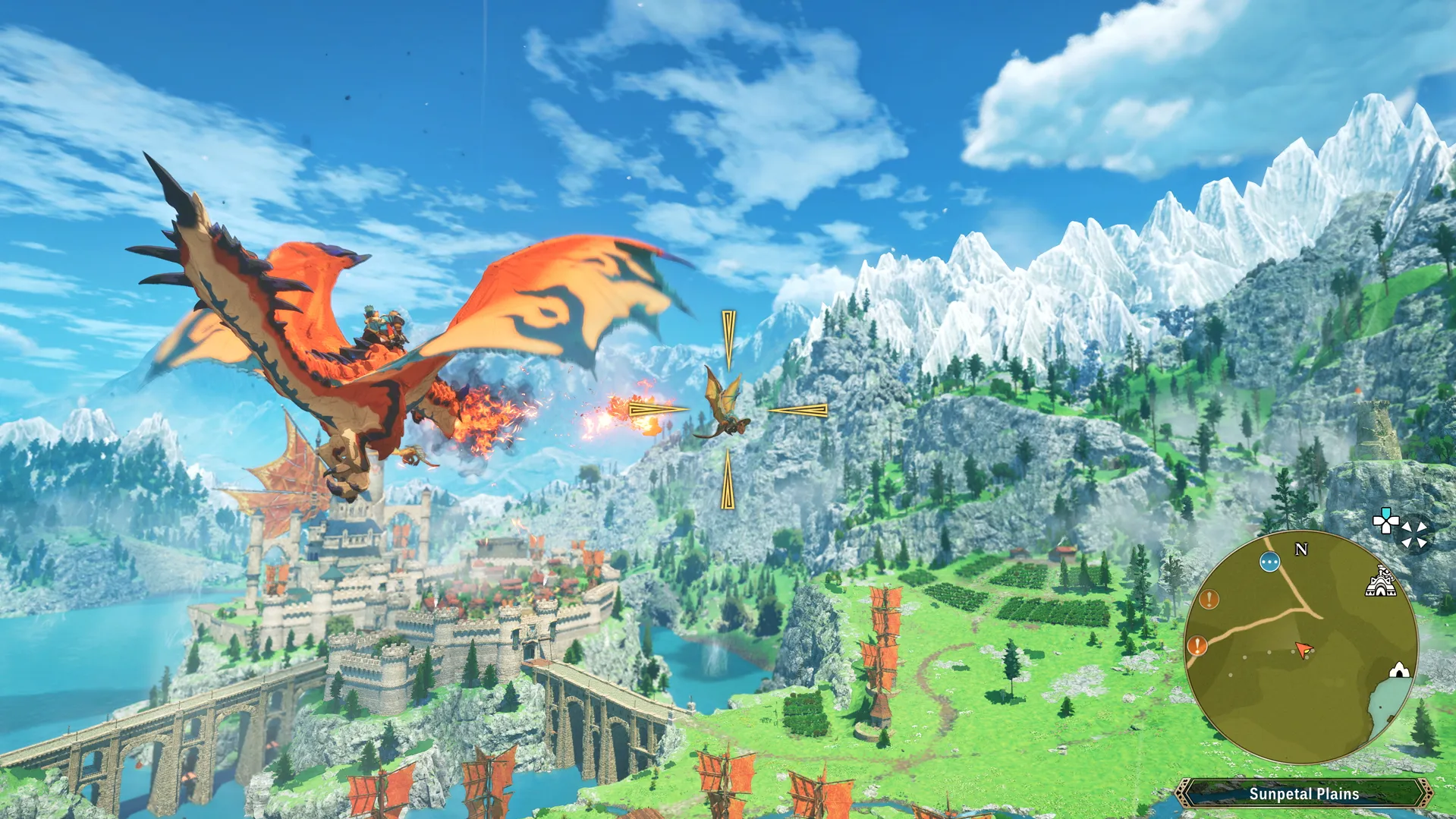
Monster Hunter Stories 3 Features A Deeper, Story-Driven Monster Hunter RPG
I’ve been playing Monster Hunter from the start of the franchise, all the way back on the PlayStation 2. I’m also a huge RPG fan; heck, my entire “content” schtick online is based entirely on RPGs. When I first heard about the original Monster Hunter Stories, I honestly kinda hand-waved it and skipped it. I heard decent things about it, enough that when Monster Hunter Stories 2 came out, I actually checked it out to see if it was worth all the hype. Surprisingly to me, I was not disappointed at all, and it officially showed me that Capcom was taking the RPG thing seriously, and it wasn’t just some light dressing.
Does lightning strike twice in the same spot? In this situation, it certainly did for me because Monster Hunter Stories 3 is the most well thought out, engaging, and interesting game yet, in my opinion. I always found the story to be one of the lesser parts of the whole package for 1 and 2, but 3 puts it in the forefront and takes some risks to deliver an engaging story with plenty of surprises and twists. Simultaneously, it pushes its RPG elements to the limit, making it really shine as an RPG.
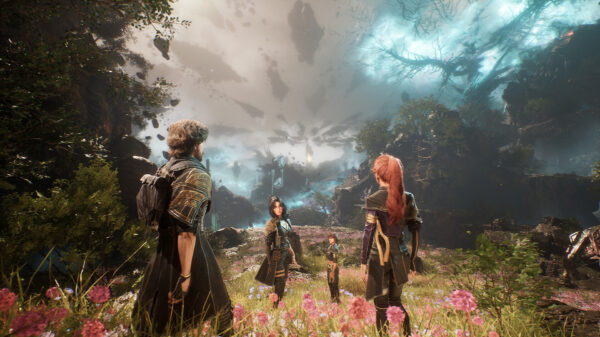
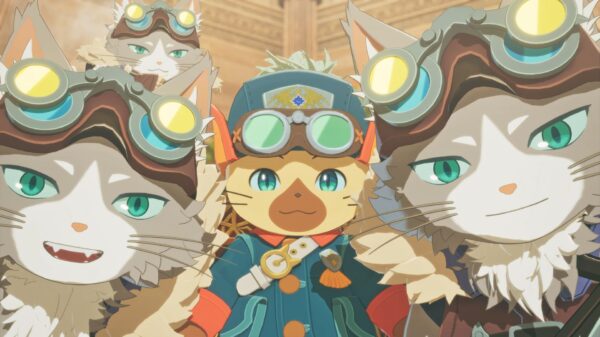
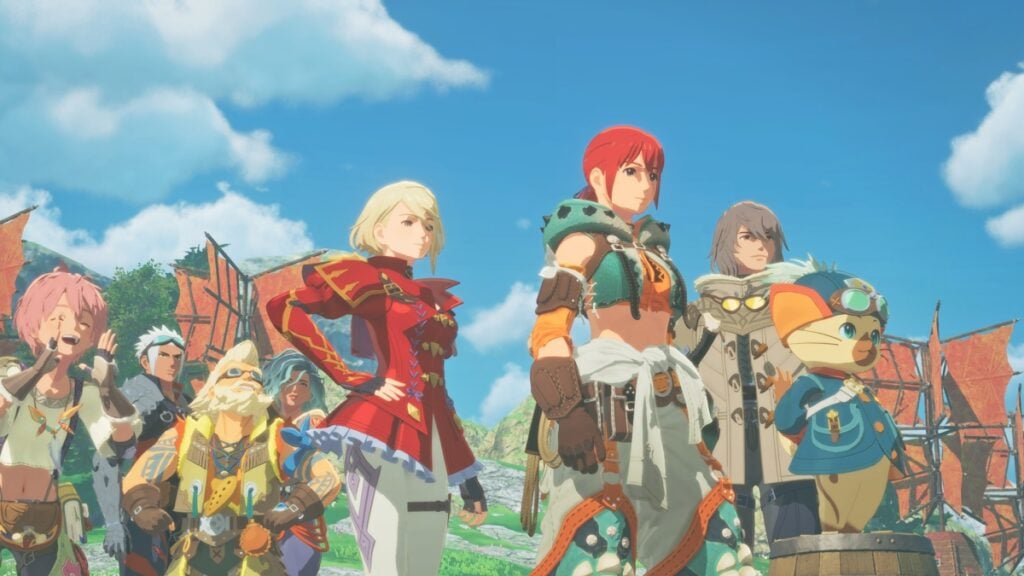
The setting for this Monster Hunter is a world teetering on the edge of civil war breaking out, and you play as the Crown Prince of Azuria and a member of the Rangers who deal with many of the challenges that come with living in a world full of giant monsters, dragons, and more. Thankfully, the people of this world have figured out a way to form partnerships with monsters that will let them ride them, known as Monsties. Unsurprisingly, these are extremely important to survival, exploration, and combat in the actual game and narrative. You will have to master the multitude of systems working in unison if you want to make the most of the huge cast of monsters available to you.
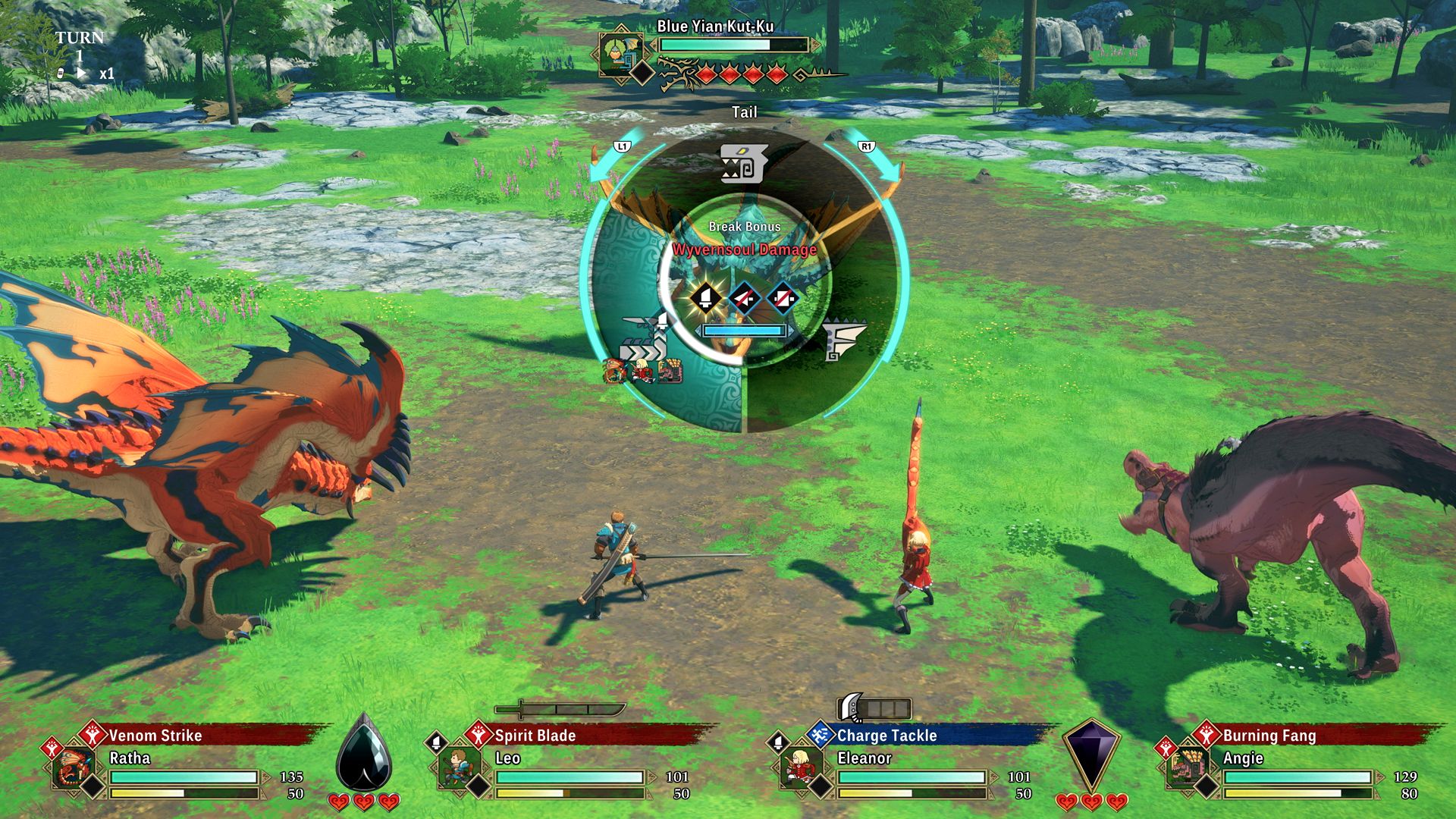
Combat is a ton of fun, and there is a whole lot more going on than a simple rock paper scissors system that you see on the top level. Your character can have 3 different weapons in their loadout, which each have their own specialties between weapon types, but even within the various weapon types (give me my Switch Axe Capcom), they all have different elements, status effects, and entirely different skills to use in battle, so your choice of weapon feels super impactful. You can have up to 6 Monsties on your team at a time. You choose which one to use, and you can change them once per turn. You each get a turn, but MOST of the time, you will also have an AI-controlled companion who also has a Monstie of their own, so generally your turn economy is 4 moves, 2 you control and 2 that you don’t. The AI honestly tends to do a pretty good job and helps a lot, especially with healing and support.
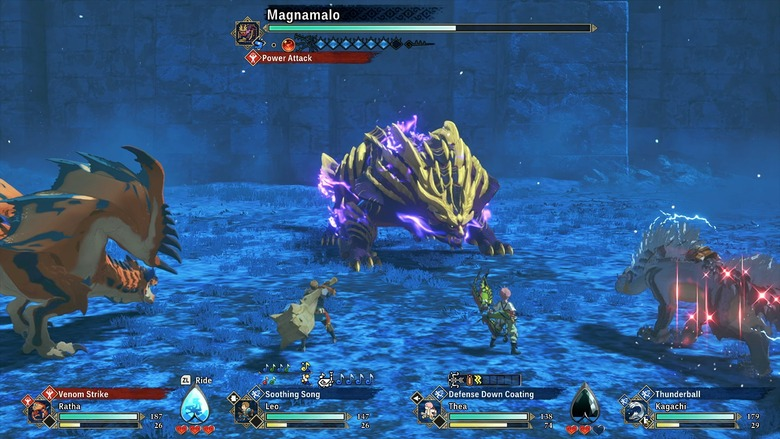
The weapon choices you have are the Great Sword, the Longsword, the Hammer, the Hunting Horn, the Bow, and the Gunlance to round it out. I think just getting rid of the Sword & Shield for the Longsword is a weird choice, even if it fits into a similar niche, but it can be forgiven. Most large monsters have multiple parts that you can attack and break that will debuff them in various ways, similar to the mainline series, which you will have to keep in mind as you use your knowledge to figure out each monster as it changes its attack type, enrages, adds new parts you have to break in a certain amount of time, and more. The third entry really shows the team flexing its creative muscles in the game’s strategy; they have given it enough layers that learning enemy behaviors is just as rewarding as in the mainline entries. It is just a ton of fun, and it keeps you scrambling to remember what kind of attacks they are capable of in their various forms to keep on top of them.
Monsties are just as in-depth as previous entries when it comes to hunting down eggs, finding subspecies, and passing around genes between your monsties to create the ultimate partner that fits right into your team. You will pillage monster dens in the open world to track down eggs, hatch them, and audibly say “aww” when you see the baby monsters, and then you can start to customize them, or even release them into the wild to introduce new species into the ecosystems. You can even sometimes bring some extra rare and special monsties you can’t normally get by doing this. I find myself spending just the right amount of time in the menus before I’m back into the world to accomplish whatever I was doing at the time, where it never feels like it approaches the “Armored Core in the garage for 2 hours” level of time spent in menus.
All in all, I am extremely pleased with the direction that this series is taking. I’m both a happy Monster Hunter fan and a happy RPG fan. The story is the best it’s been so far; it has me excited to see more and to battle my inner urge to dive deep into gathering monsters, exploring the world, and doing sidequests. The combat has enough layers now that I’m engaged the whole way through, there are no just spamming attacks here, and if you are strong enough, you can just insta-win the fight with a button press, so you aren’t inundated with encounters. It seems like Capcom has really knocked it out of the park with this one so far, and I couldn’t be more excited to see how Monster Hunter Stories 3 is received.