



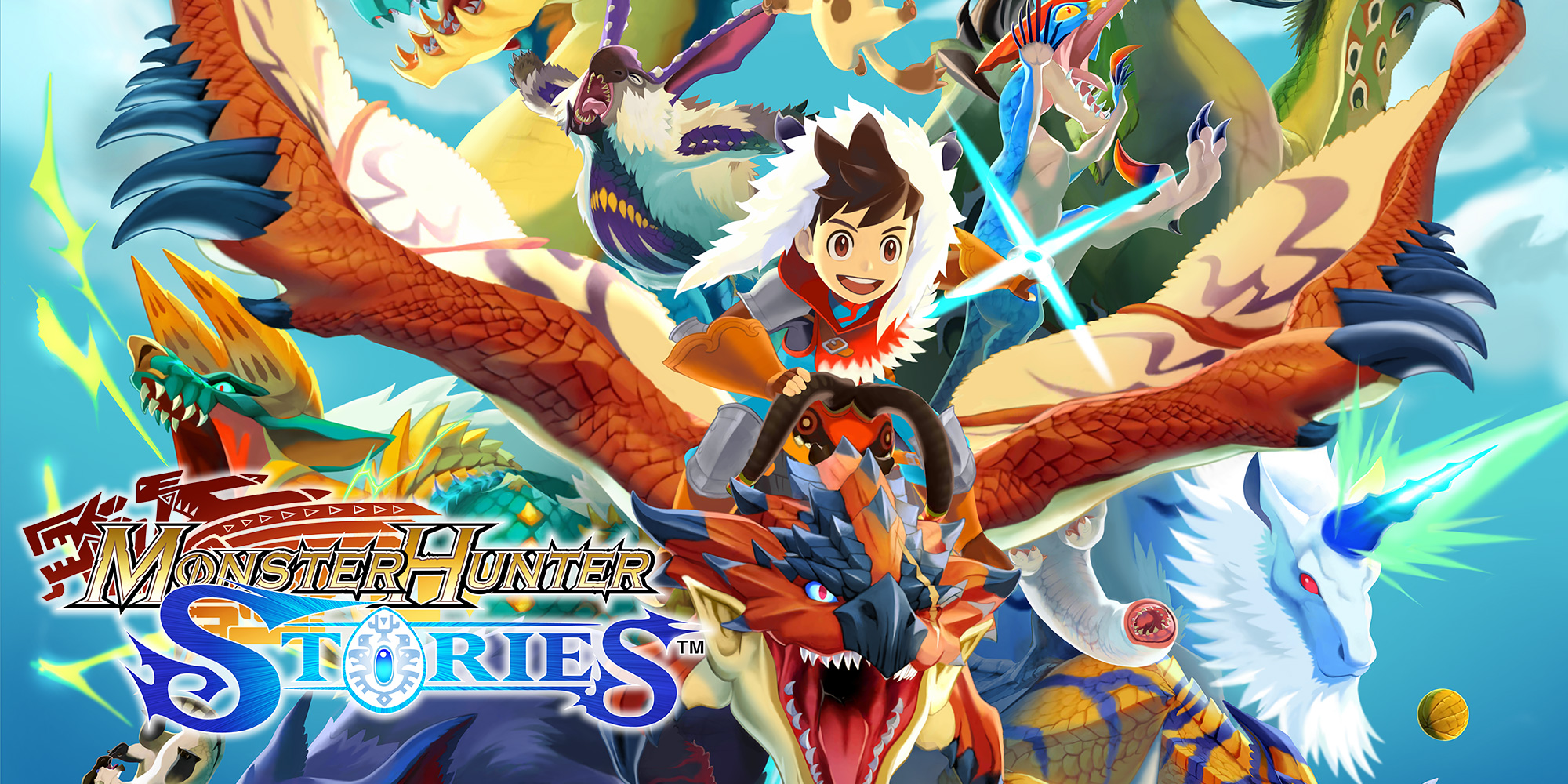




Monster Hunter Stories 3: Twisted Reflection is the latest entry in the Monster Hunter spin-off series, featuring turn-based rock-paper-scissors combat and collectible monsters.
I jumped into the third game without much background in the Stories series, having only played the mainline Monster Hunter titles. Even so, the demo offered plenty of onboarding to get me up to speed with its turn-based combat and exploration.
A Darker Story
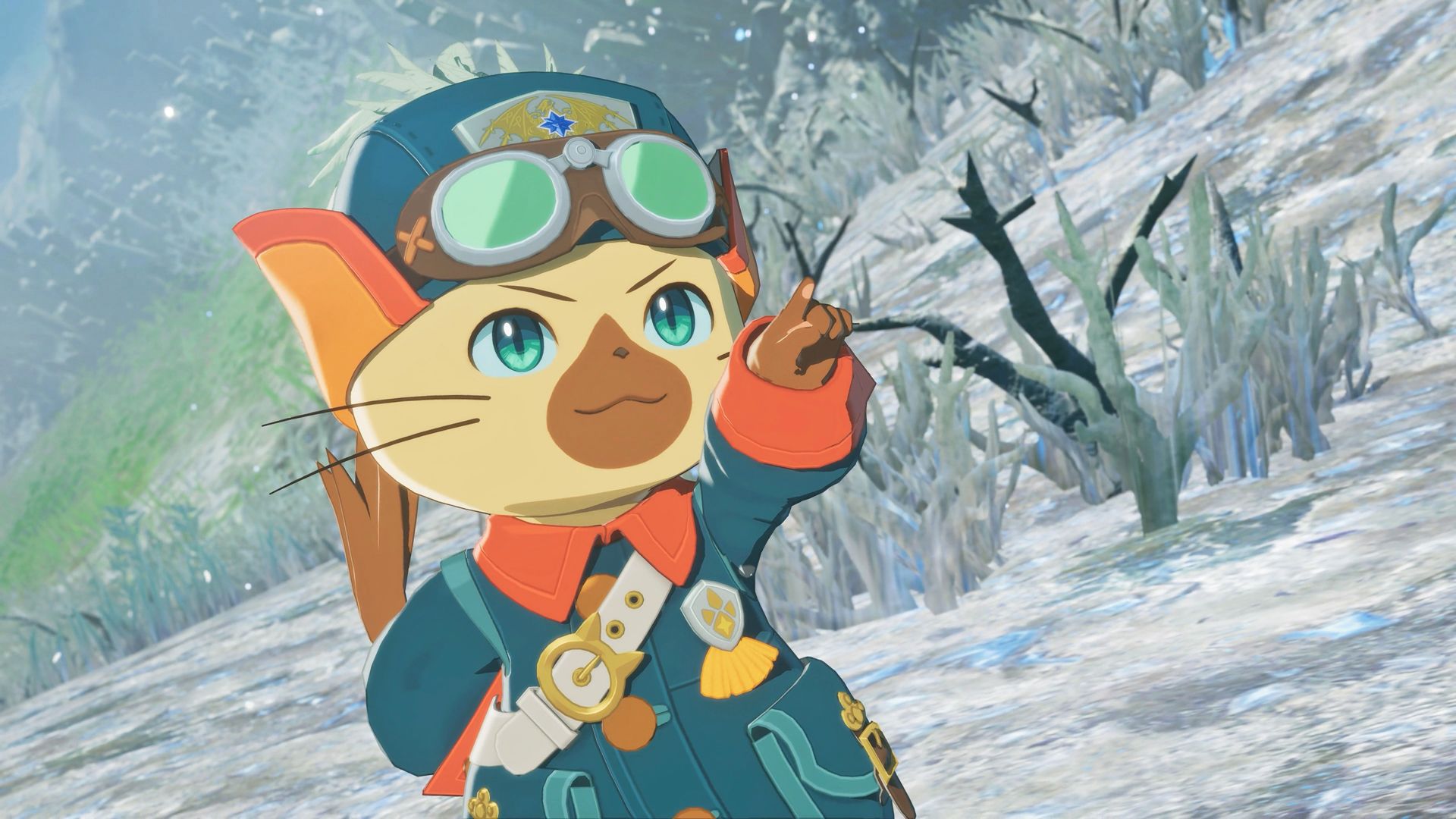
At the core of Monster Hunter Stories 3 is the bond between Rider and Monsties, where you raise, hatch, and train monsters. Unlike the mainline games, the Stories series focuses on narrative and simplified combat. For Twisted Reflection, the story shifts to a darker, more mature tone centered around political conflict with higher stakes than before.
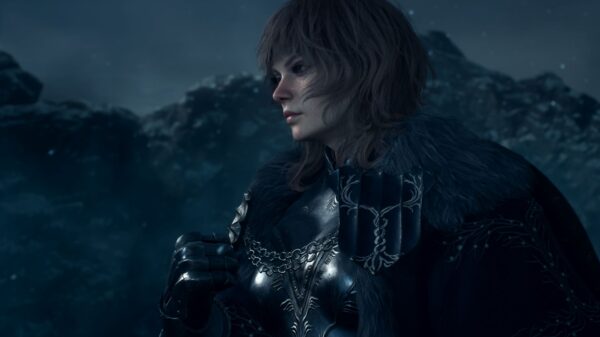
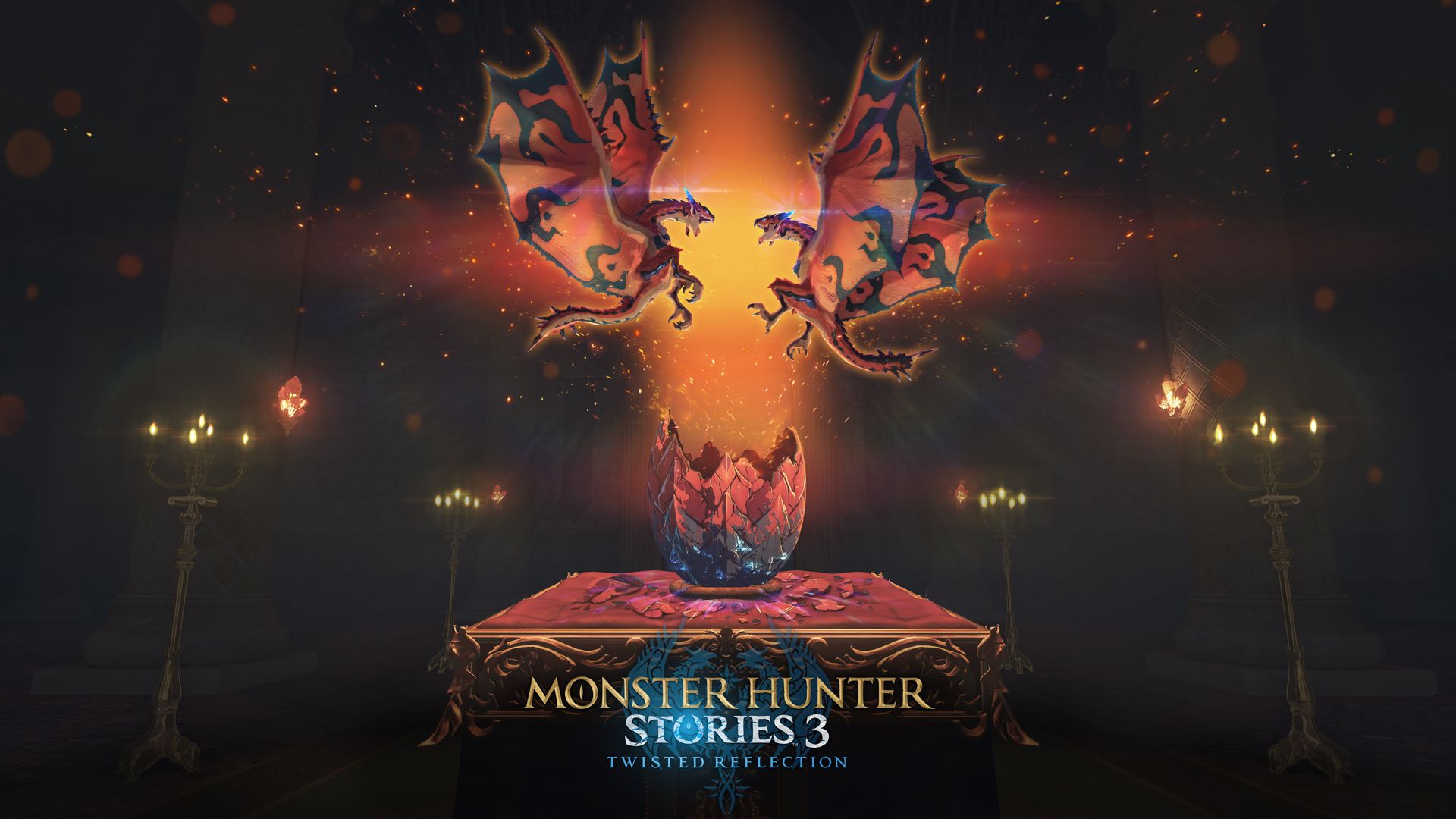
The story of Twisted Reflection focuses on a phenomenon known as the “Crystal Encroachment,” which corrupts monsters and pushes the kingdoms of Azuria and Vermeil to the brink of war. The protagonist, Leo, is the heir to Azuria and the last remaining Rathalos Rider, highlighting the weight of your role in this high-stakes plot. The overarching narrative revolves around investigating an environmental crisis and preventing a war sparked by the birth of twin Rathalos, a symbol tied to an ancient civil war.
Exploration and Party Dynamics
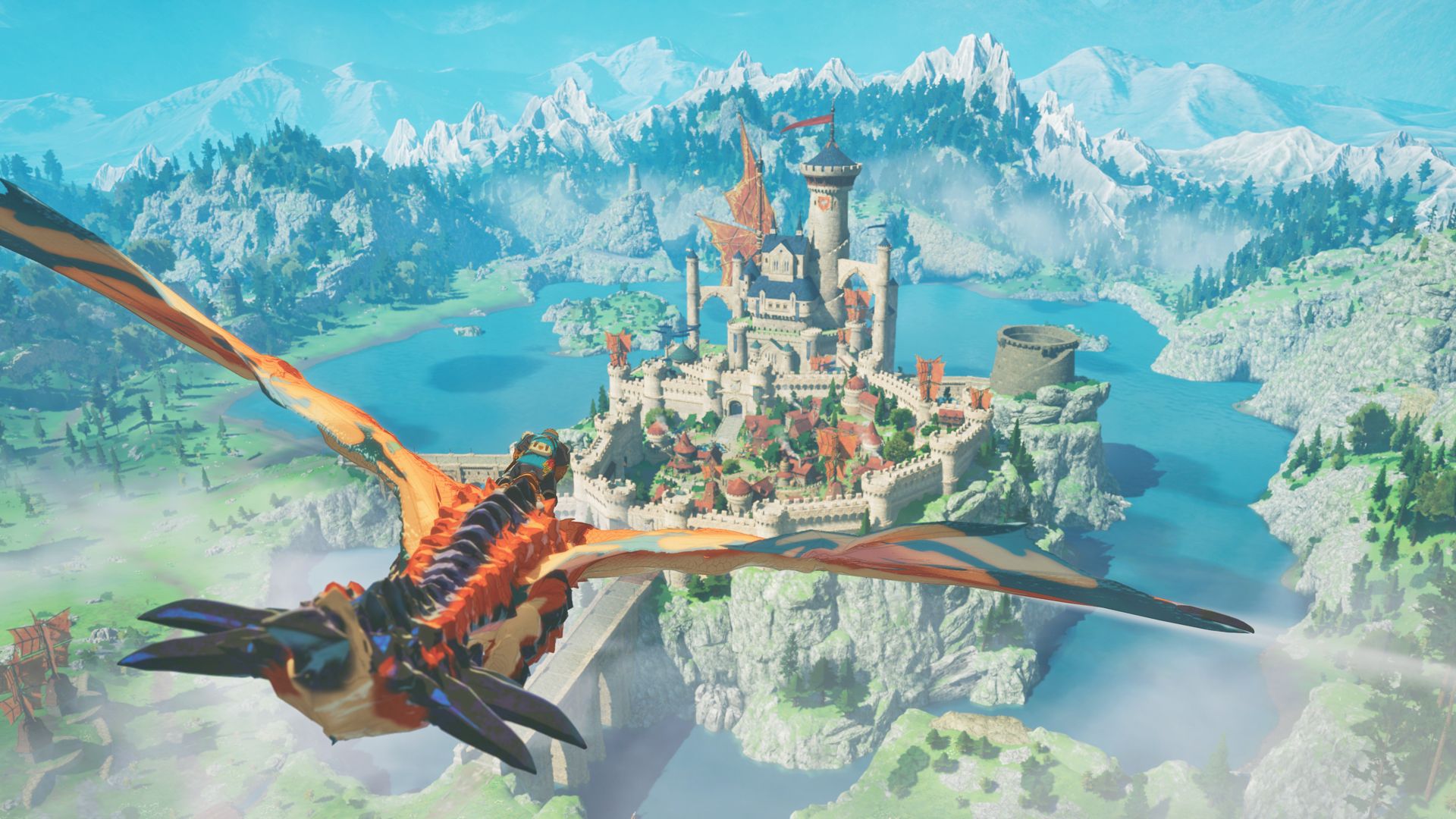
In the demo, I played as Leo, accompanied by Thea, Simon, and Rudy on an expedition. Early on, the story was mostly guided, leading me along a set quest path while riding my Monstie. Each Monstie interacts with the world in specific ways, climbing, flying, or clearing obstacles, making it essential to swap them to progress. Enemies roamed the map, letting me ambush them with a sneak attack when they weren’t looking, or repel them using Rathalos’s roar to avoid combat altogether.
The demo also let me survey the land from vantage points and mark areas of interest on the overworld map for later exploration. While I couldn’t reach those locations during the demo, party conversations added context to the worldbuilding and teased future events.
Combat Depth
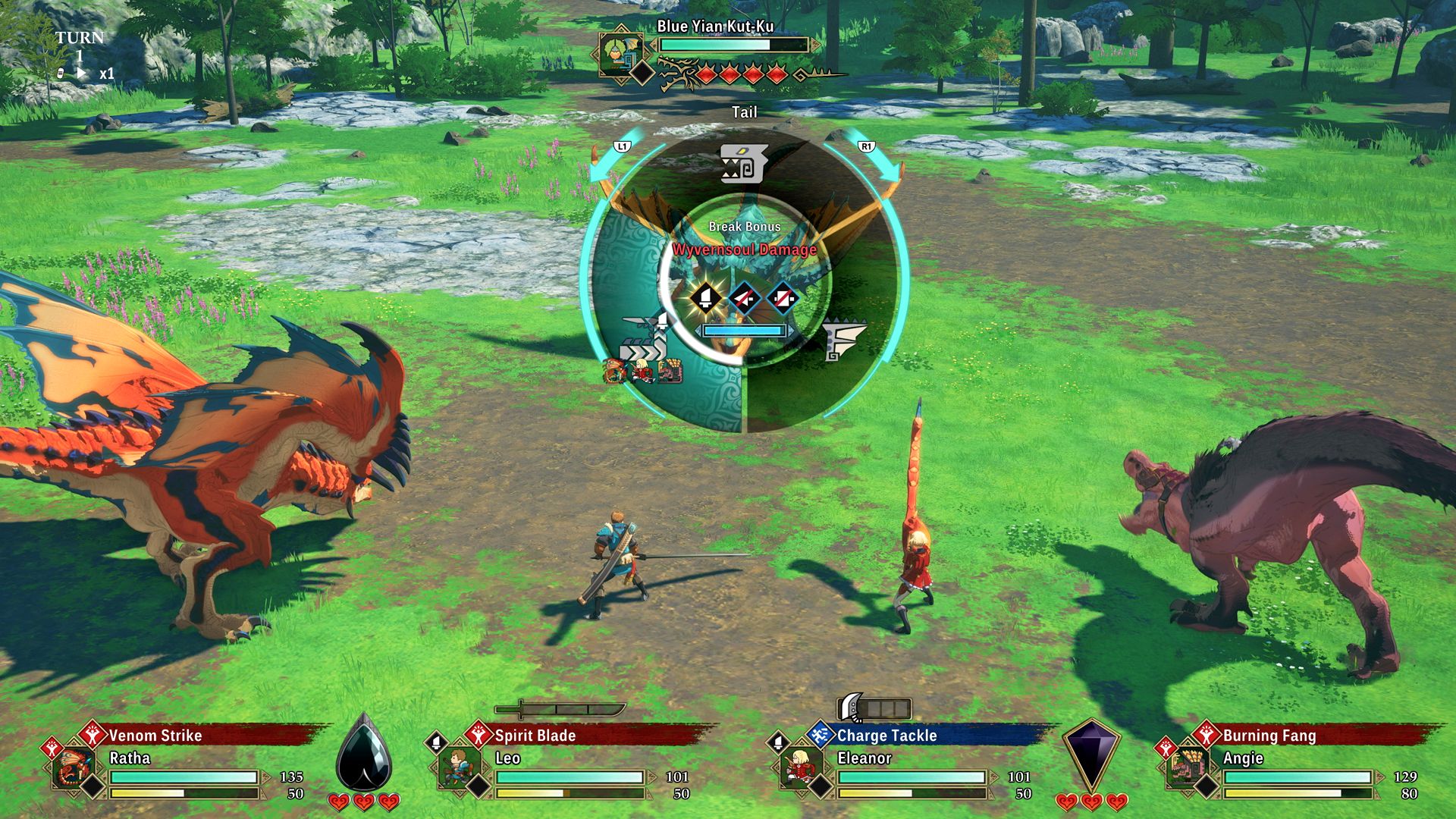
Combat still revolves around the familiar Power, Speed, and Technical “rock-paper-scissors” system, but new features add more strategy. Timing attacks, targeting specific monster parts, and inflicting status effects all play a role in finding weaknesses and securing victory.
Weapons also tie into this system. Bows work better against flying monsters, while longswords are suited for weaker prey. A stamina meter now depletes with each attack, forcing you to think carefully about every move. Despite the added complexity, mechanics like Synchro Rush, an all-out party attack, or riding your Monstie for stronger moves help wrap up fights more quickly when needed.
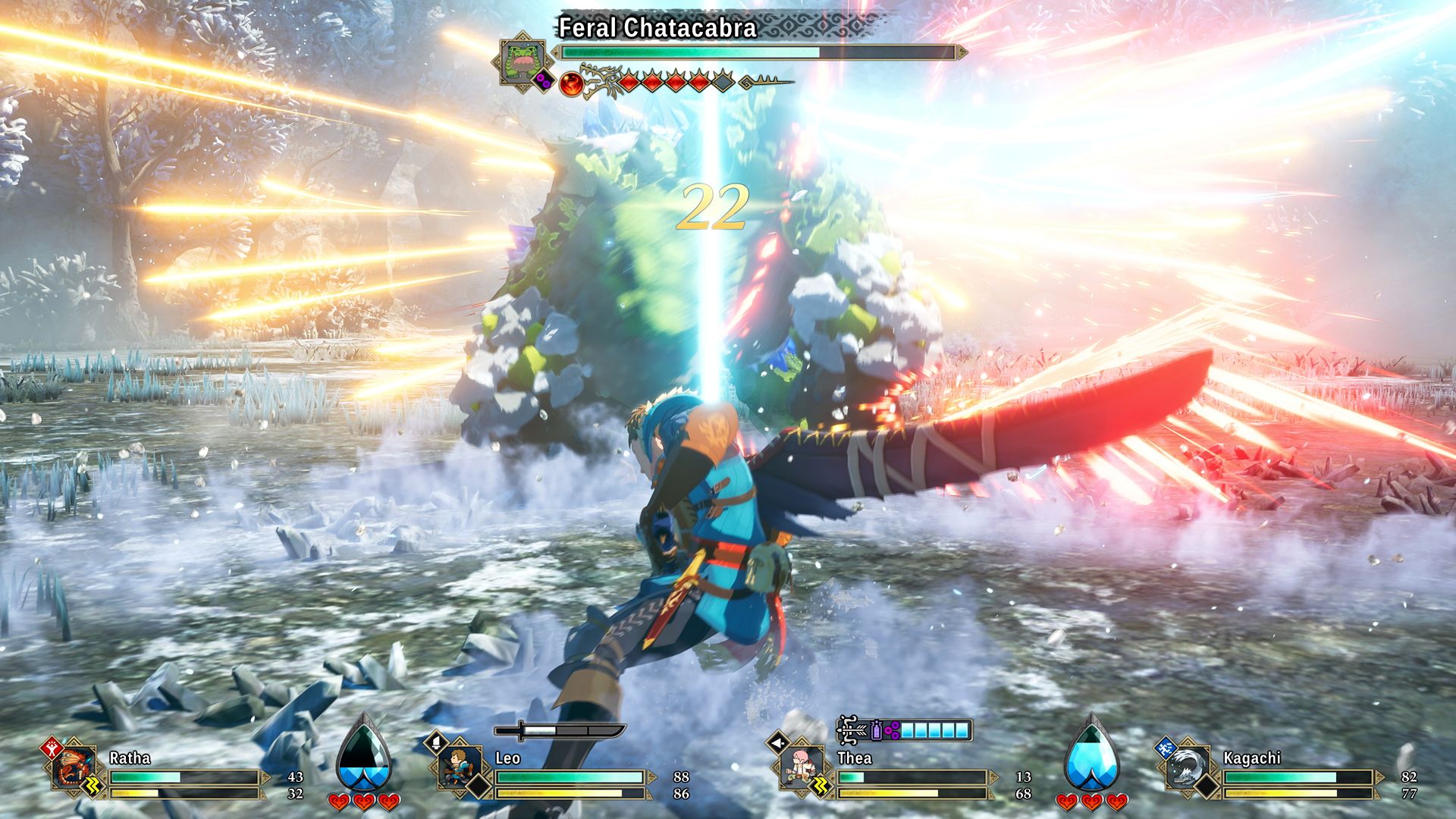
The demo ended with a boss fight against a Feral Chatacabra, which showcased the systems in full. Its constantly changing attack patterns forced me to adjust strategies on the fly, paying attention to what it was telegraphing.
Final Thoughts
Overall, my time with Monster Hunter Stories 3: Twisted Reflection gave me a good snapshot of what’s new. I left curious about the monster-raising systems and exploration, but even as a newcomer, the hands-on session gave me plenty to think about.
Monster Hunter Stories 3: Twisted Reflection launches March 13, 2026, for PC, PlayStation 5, Xbox Series X|S, and Nintendo Switch 2. For Nintendo players, new Amiibo featuring Ratha, Ratha V, and Rudy will release alongside the game, providing in-game bonuses.