



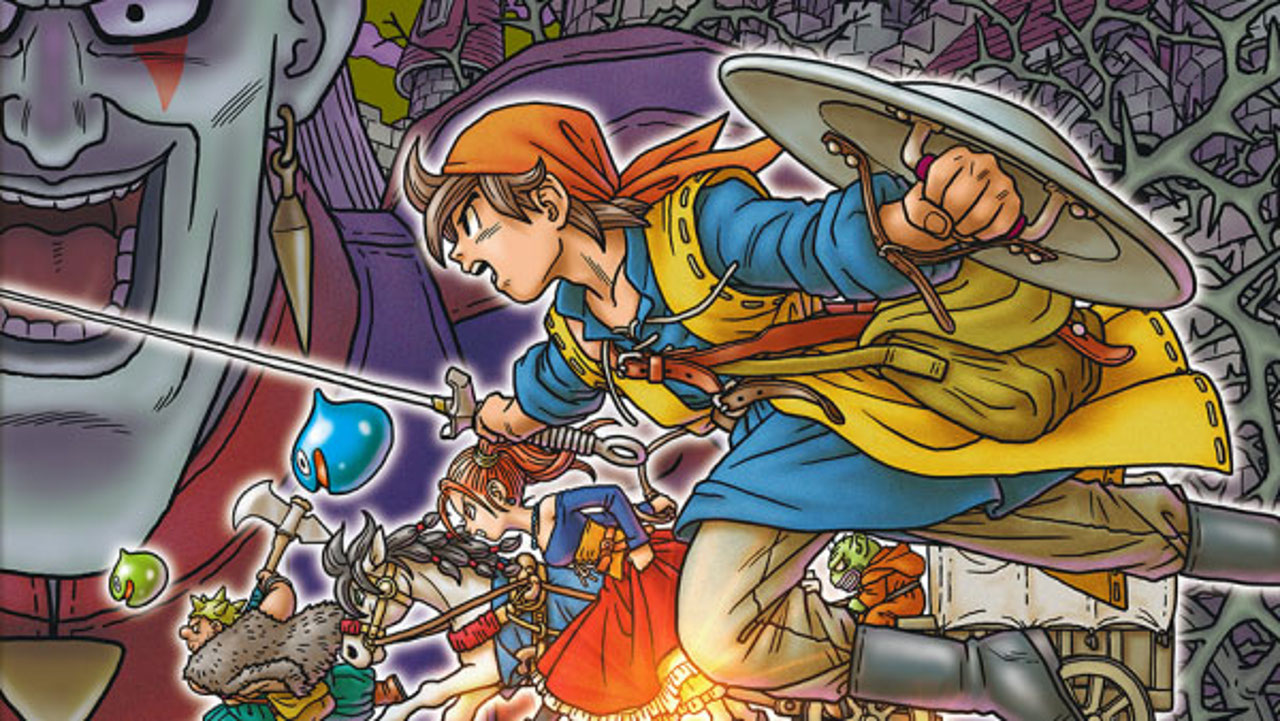


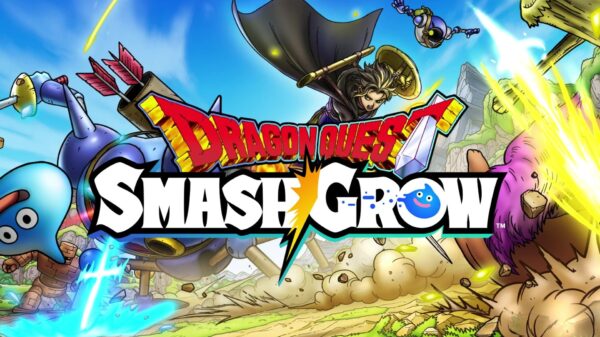


The original Dragon Quest, or Dragon Warrior as it was named for the first few iterations in North America, has been heralded as the prime influential RPG among many prolific JRPGs alongside its creators for decades. Some of these titles that were influenced by Dragon Quest include Final Fantasy, Shin Megami Tensei, and Pokémon.
Though earlier Dragon Quest titles never reached the sales of the games it had influenced in North America, specifically at the time, the series has done exceptionally well in Japan for decades, and it is without a doubt a fascinating and intriguing game to even play for the first time today. Its fully realized world through its historical lore, NPC interactions/dialogue, and at the forefront, a brave soul tasked to save the world solely due to their role as being a descendant of a great hero, all before the game’s story even begins.
A few years back, I played and beat the original Dragon Warrior from the dual Dragon Warrior I & II bundled collection on Game Boy Color. Using guides was kind of the most optimal way, but only when I was extremely sure in gauging that I could not figure something out or progress further in any sense. For the most part, the game is trying to figure out the lay of the land by talking with any NPCs that aid in telling you where to go or how to progress, even the most minute barriers. There is something utterly believable about this world. It is entirely lived in, and for a game to have that sense of place alongside a sense of scale in its original 1986 release is monumental. There are big-budget titles released nowadays that struggle to evoke a sense of place, a sense of purpose, or a sense of grandeur, and Dragon Quest was doing all of these and more almost 40 years ago.
I always believe that it is important to play games from decades ago to understand their importance and influence today. This is not just about where games have been, but also where they are going in the future. Square-Enix is continuing to create an HD-2D Remake of the original Dragon Quest, a la Dragon Quest III HD-2D Remake from last year’s positive reception and critical acclaim. The first three games are referred to as the Erdrick Trilogy, and with my time with Dragon Quest I HD-2D Remake, Square-Enix is able to entice players like myself who have finished the original game alongside newcomers wanting to see first-hand one of the most influential RPGs.
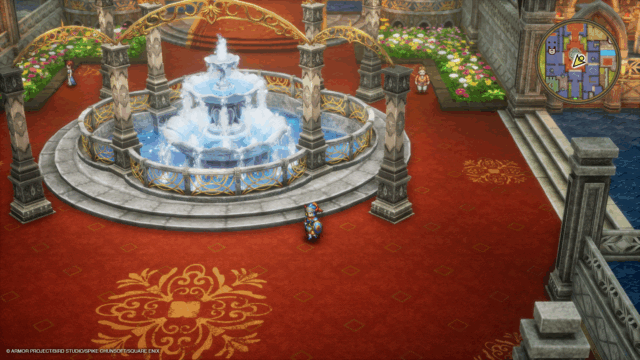
Dragon Quest I HD-2D Remake Reframes a Classic with Newfound Melancholy
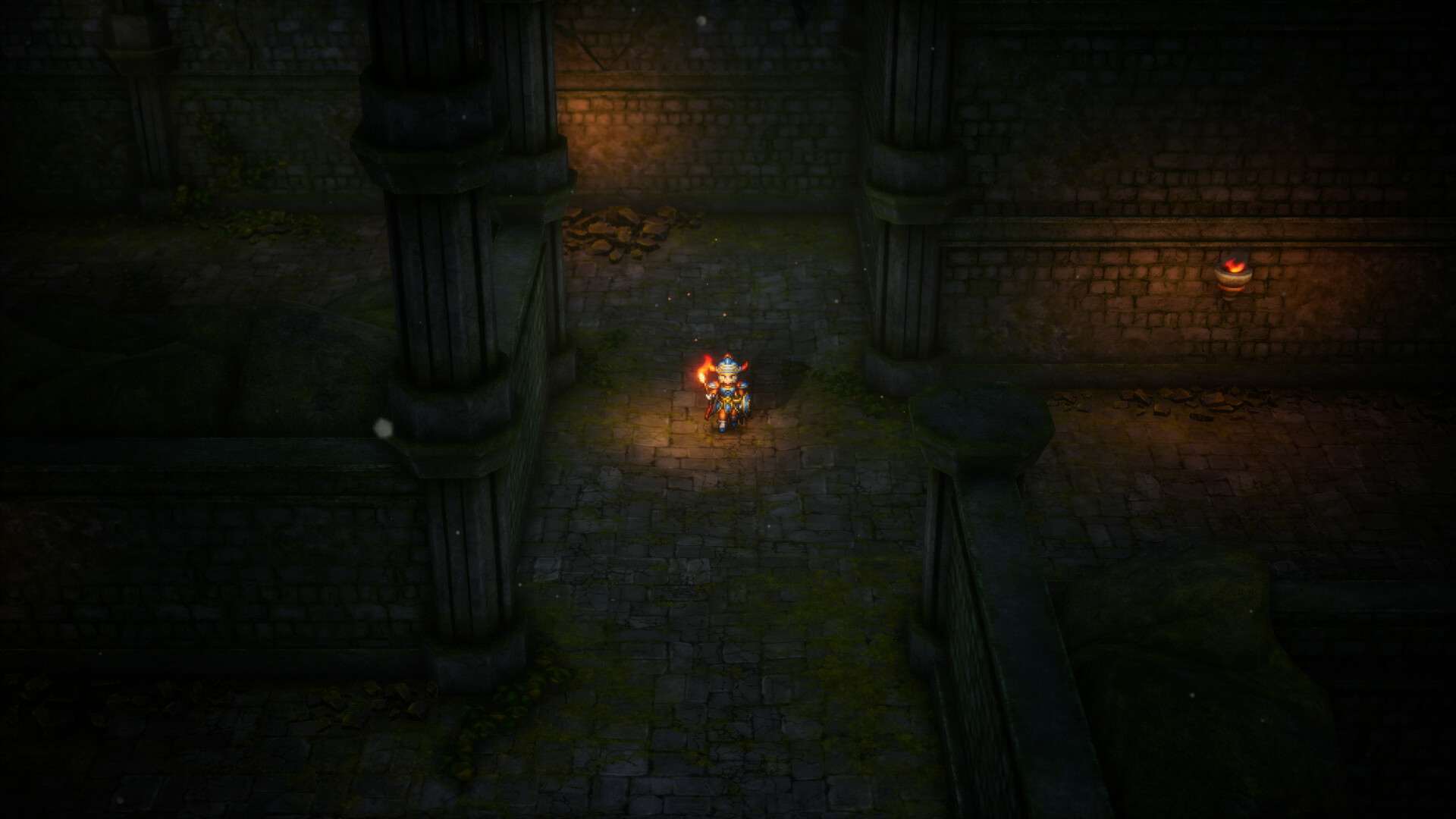
Dragon Quest I HD-2D Remake’s most significant change, I readily felt first-hand, was the tone. The overworld music was not joyous or triumphant as it had been in previous remakes/ports of the original game, but the tone was one of concern, dread, and despair. Overworld music in RPGs is light and happy, bursting with enlightenment–a sense of justice as a lone warrior–but in the Remake, it is oozing sadness, desperation, and tragedy, which actually fits much more in line, when you think about it.
The protagonist has to face monsters, demons, ghouls, ghosts, and creatures all alone. Why would the tone even be happy and joyful in the first place? The protagonist is even a descendant of this Legendary Hero, Erdrick, but this descendant really does not get their own choice. Just because they rolled a blood lottery, they are given a duty to save the world? The music and score very much reflect these thoughts, questions, and feelings in this new remake. You play as the “Descendant of Erdrick”, not even given an official name, really, and it is this role cast onto this descendant that aids in elevating this very striking and all-new theming that the original game never truly showcased or succeeded at.
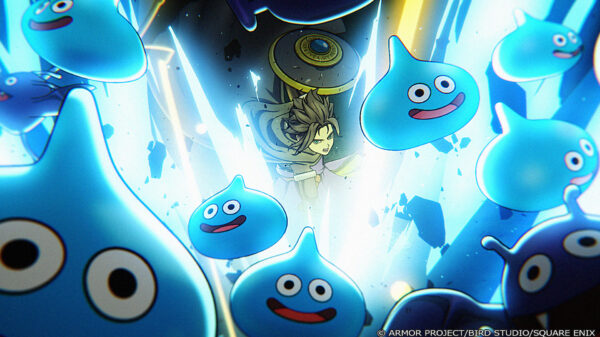
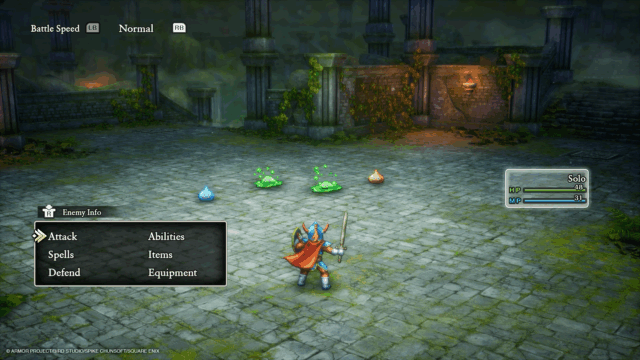
In the original game, you were alone, and all fights were one-on-one bouts with snappy, quick writing of what was happening in battle. Dodging by rolling out of the way. Slashing to deal a critical hit. Casting magic to deal heavy damage or heal your wounds. That is all also present this time around, but now you will be fighting more than one enemy at a time, which assists in hammering down this background sense of fear, not just to the soundtrack, but directly into the gameplay mechanics. Fights are a lot tougher. Fighting one early Dracky might have been doable in the original game, but when I was fighting two Dracky at once, there was this desperation I felt just being able to succeed in the battle.
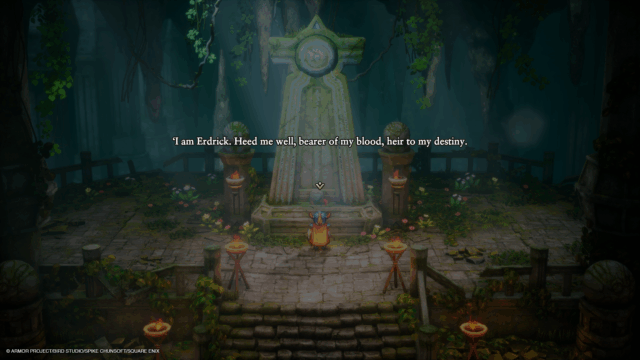
In my time playing around 10 minutes of the early portion of the game, outside of the graphical updates and styling, there is a map this time around, which was not always present in this iteration. It is a tiny quality of life change, but seeing that map was awesome. I was in awe at how large and detailed the map was, especially on a massive monitor. But this whole map, this whole world, has to be saved by a descendant of a “Legendary Hero” brought more worry to me this time around and this remake delves into new themes, but also recontextualizes what it means for a lone protagonist, a descendant of a hero that does not exist anymore, and this sense of grandeur that has been uplifted in all new ways. Especially for one of the most influential RPGs, enrolling a lone protagonist on a journey to defeat a Dragonlord alone, with uneven battle setups this time around to ensure additional feelings of trepidation that had not existed so unapologetically or on the surface before this remake.
I am looking forward to delving more into Dragon Quest I HD-2D Remake’s sense of foreboding anxiety, packed inside the dual bundled collection alongside Dragon Quest II HD-2D Remake, when it releases on October 30th for PC, Nintendo Switch 1|2, Xbox Series X|S, and PS5.


![Kingdom Hearts Collection [I~III]](https://monstervine.com/wp-content/uploads/2026/10/KHC-Review-Art-600x337.png)
![Kingdom Hearts Collection [I~III]](https://monstervine.com/wp-content/uploads/2026/10/KHC-Review-Art-100x100.png)