




















































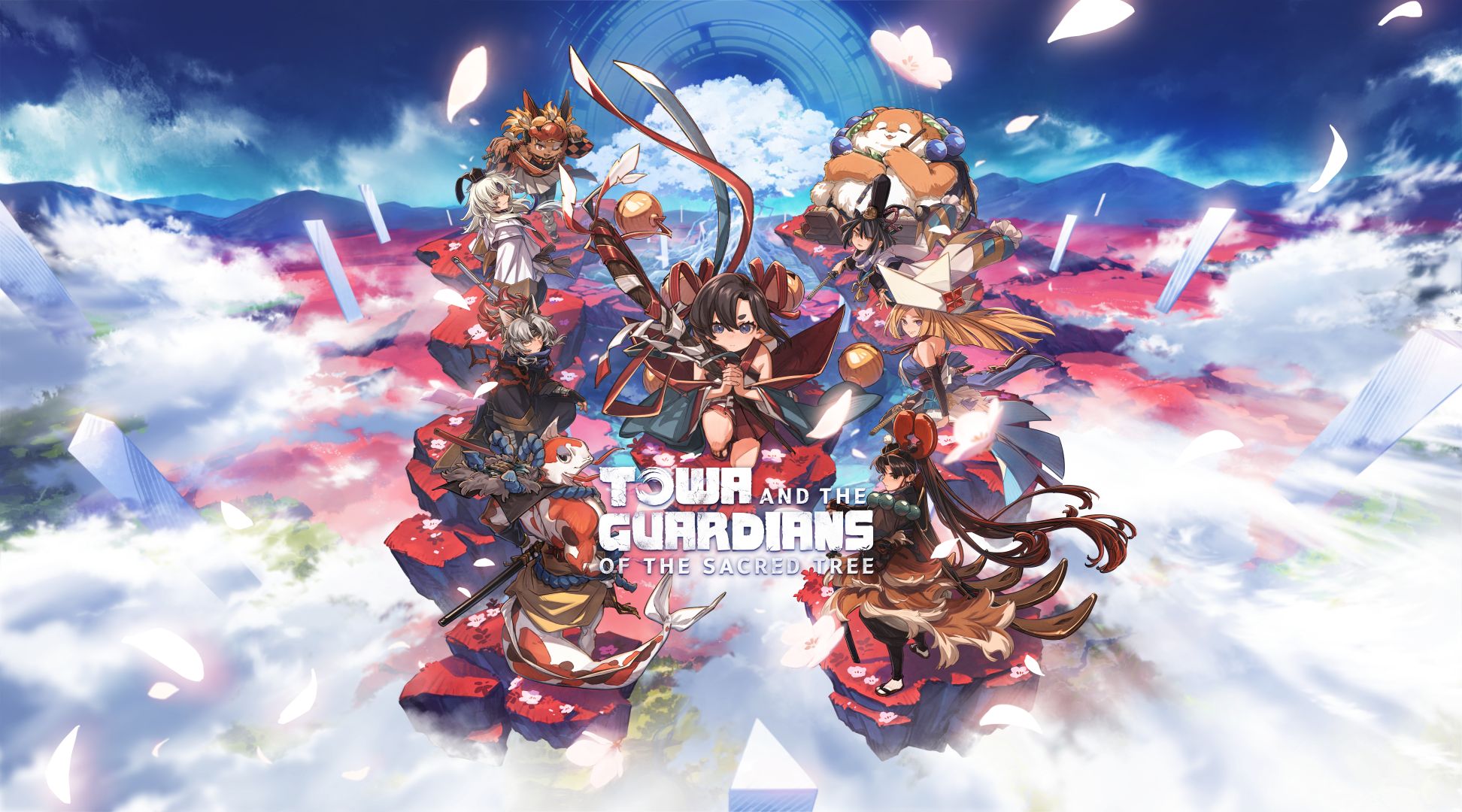

Towa and the Guardians of the Sacred Tree is both an action RPG and a roguelite that first caught my attention during Summer Game Fest. After spending four hours with the opening section, I came away impressed by its fast-paced combat and addictive “one more run” loop.

The game transports players to a mystical realm where the Tree of Life, Shinju, is under siege by the evil god Magatsu and his army of minions known as the Magaori. Towa confronts Magatsu but is nearly defeated when he imprisons her guardians at the end of time. Gifted with time-traveling powers, Towa resets the timeline and finds herself in Shinju Village, which serves as the player’s central hub. Here, you can chat with villagers to learn the basics: buying and selling items, upgrading skills and weapons, forging swords, and even going fishing.
Dual Roles: Tsurugi and Kagura
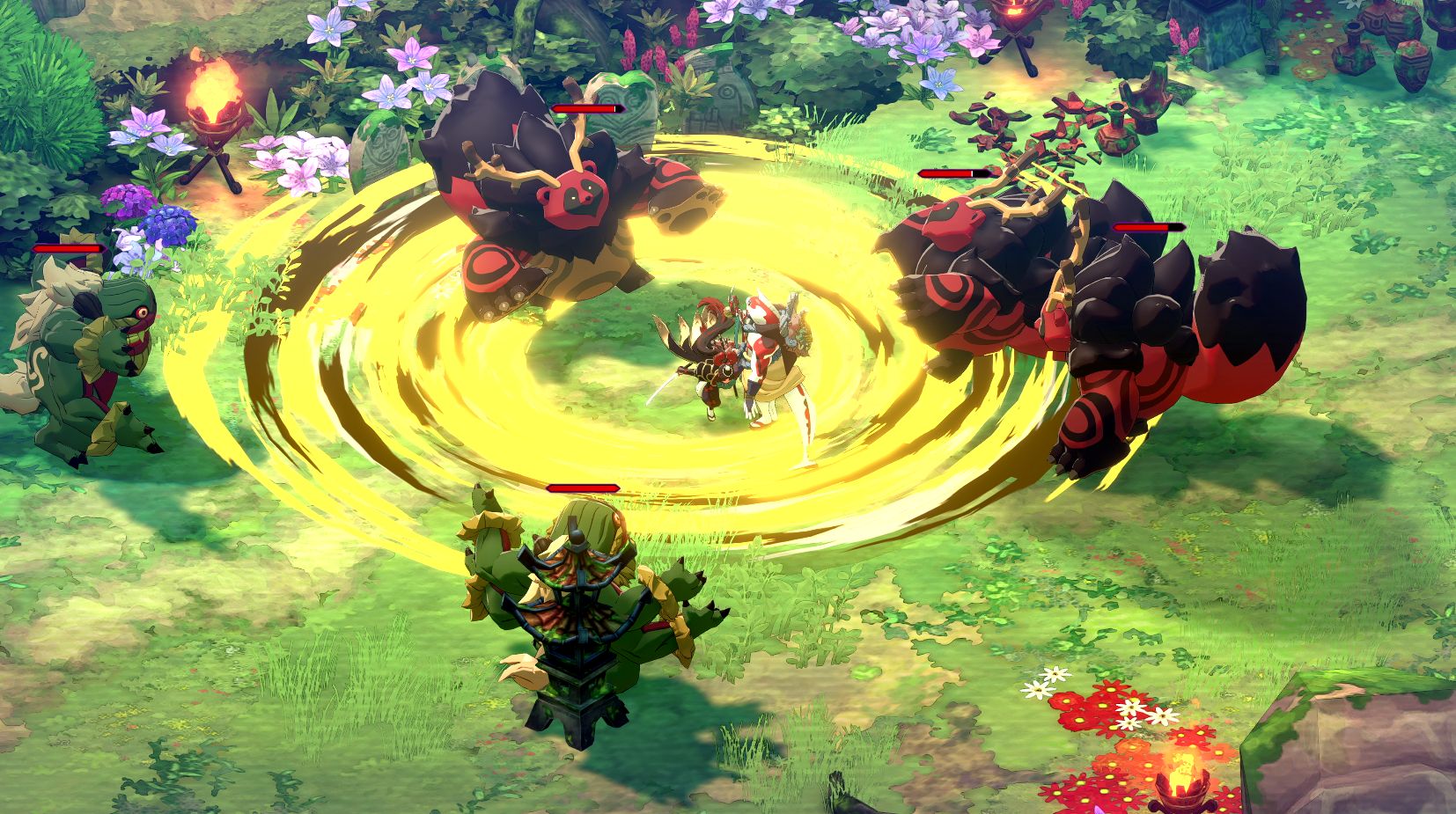
Gameplay revolves around selecting guardians to take on two distinct roles: Tsurugi, your main fighter, and Kagura, the support character. The Tsurugi wields dual swords while the Kagura fights with a staff and magic. Controlling two characters at once took some adjustment. Each has its own health bar and can be directed individually, but the system became much more intuitive once I settled into the rhythm. Weapon durability also plays a role, as blades gradually dull and break unless switched out mid-combat, making weapon rotation essential to maintain pressure on enemies.
Experimenting with different guardian combinations quickly became one of the highlights. For example, I tried Shigin and Rekka as my Tsurugi, paired with Bampuku as my Kagura, and found that each guardian had distinct playstyles that changed the flow of combat. These pairings also come with personality-driven banter during downtime, which adds a layer of charm and connection to the characters.
The Loop: Routes, Stages, and Graces
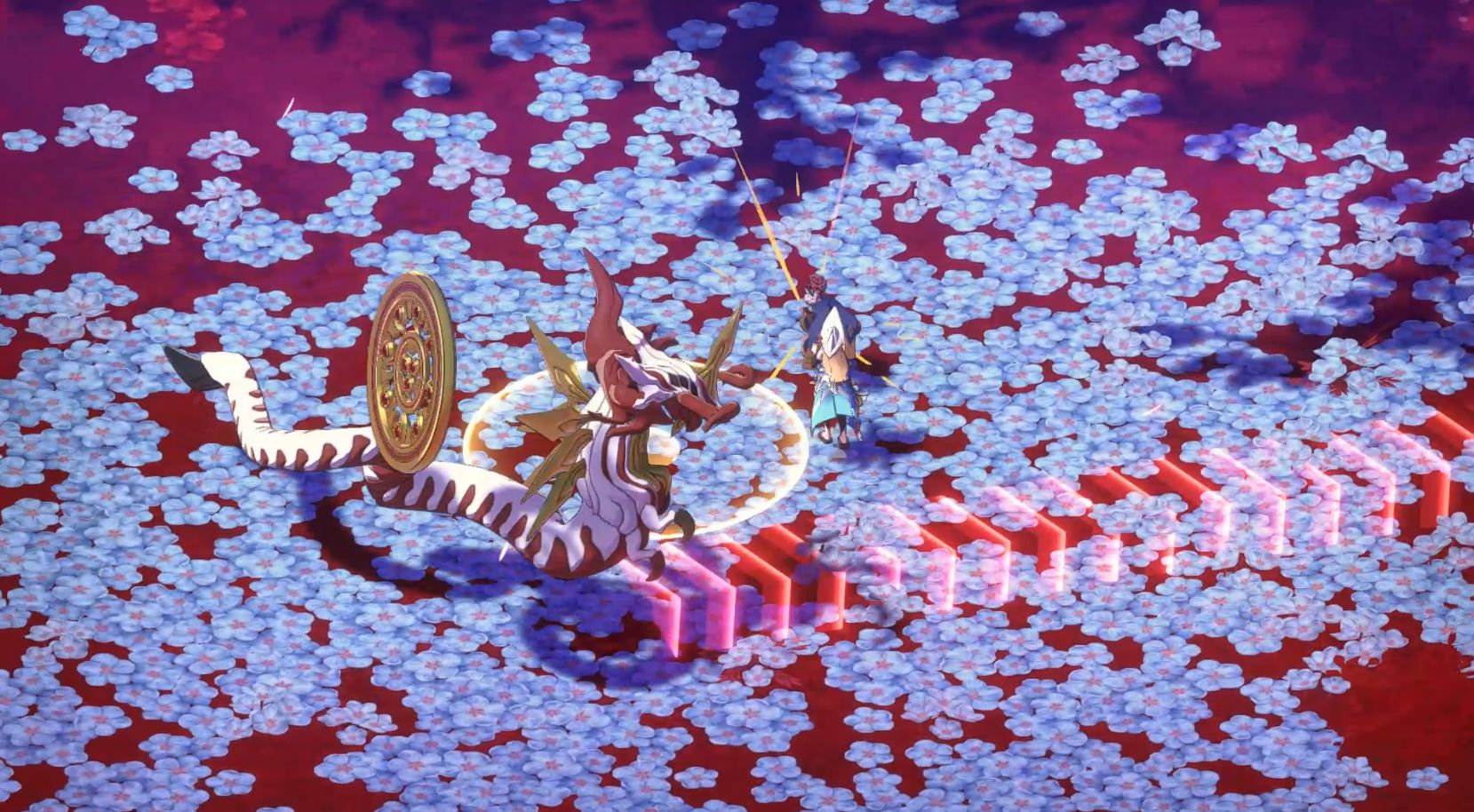
Each run is structured around “routes,” a series of stages culminating in a boss battle against a Magatsu-hi. Most stages involve clearing enemies, after which you’re rewarded with Graces. These randomized upgrades can boost attack power, add extra dashes, or otherwise enhance your abilities, and they stack as you progress. Choosing the right Graces can make or break a run, but I found mastering the fundamentals, managing two characters, positioning carefully, and landing backstabs and fatal blows was even more critical to success. Routes also offered variety, as revisiting them sometimes revealed different encounters, such as shops, hot springs, or food stalls.
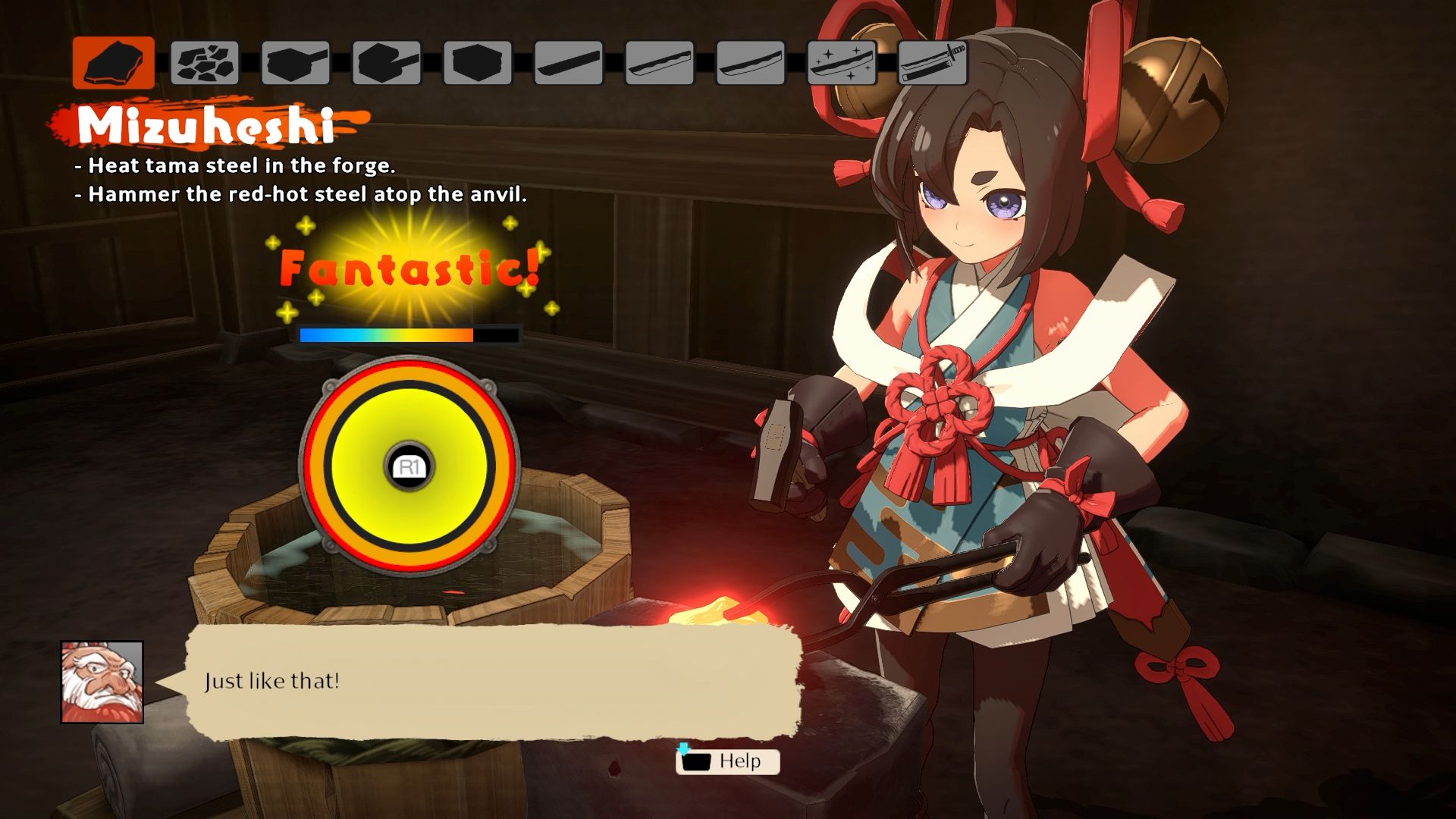
When you die, you don’t lose everything; resources earned during runs return with you to the village, where they can be spent on upgrades like enhancing Kagura spells or forging new swords. Sword forging is handled through a timed minigame, making stat customization dependent on your precision. Meanwhile, lighter activities like fishing provide rewards that can be redeemed later, giving the downtime in the village a relaxing pace.
Final Thoughts
Overall, Towa and the Guardians of the Sacred Tree strikes a strong balance between depth and accessibility, offering enough customization and experimentation to keep each run unique. Even when death stung, I always came away with something new, be it an upgrade, a forged weapon, or simply a better understanding of its mechanics. That steady sense of progress makes it hard to put down.
Towa and the Guardians of the Sacred Tree launches September 19, 2025, for Nintendo Switch, PlayStation 5, Xbox Series X|S, and PC via Steam. A free demo is available starting today, featuring the game’s prologue chapter and four of the eight guardians—Rekka, Shigin, Origami, and Nishikito.